001

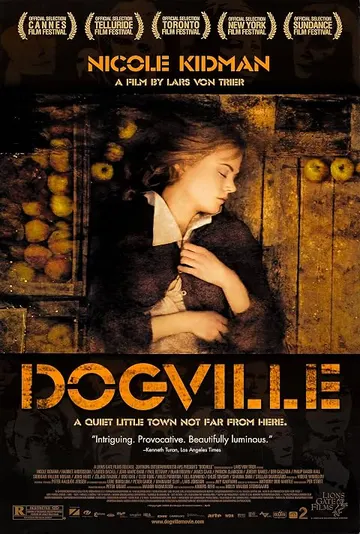
The vase still life intervenes between the daughter’s smile and tears, placing change within time’s unchanging form.
An index of 147 films, with shot analysis, concept explanations, stills, scholarship, and viewing links. Search by title, director, concept, or viewing source, then open a film to read its analysis.
147 films; showing all 94 matches
The vase still life intervenes between the daughter’s smile and tears, placing change within time’s unchanging form.
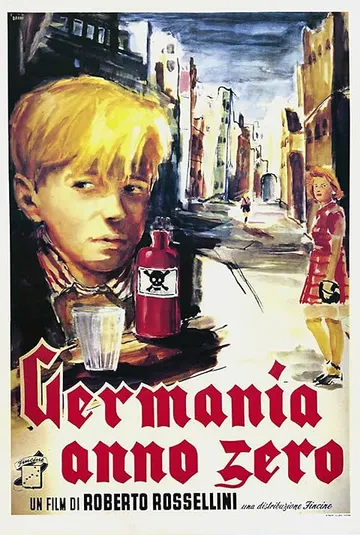
Germania anno zero · 1948
Roberto Rossellini / 罗伯托·罗西里尼 · Italy / Germany
Ruins exceed the reach of reparative action. The child becomes a seer before the intolerable, and the action-chain collapses from within.
The factory passage does not leave Irene wholly unable to act: she can still approach, converse, and leave. Yet the machines' scale, the narrow passage, and the mechanical sound are no longer exhausted by the site's use as a ‘workplace’; the atlas reads this remainder as her shift from managing a situation toward enduring and seeing it anew as a seer.
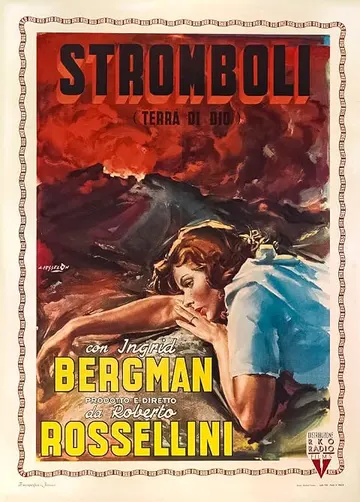
The volcano’s beauty and pain exceed any executable response, turning the protagonist from agent into a seer struck by a limit situation.
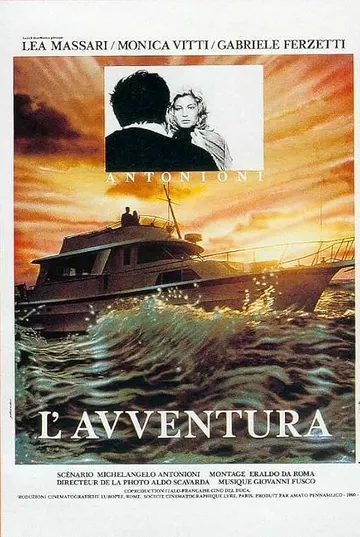
L’avventura · 1960
Michelangelo Antonioni / 米开朗基罗·安东尼奥尼 · Italy / France
The disappearance escapes the logic of a solvable mystery; islands, architecture, and bodily attitudes give duration to the void within relations.
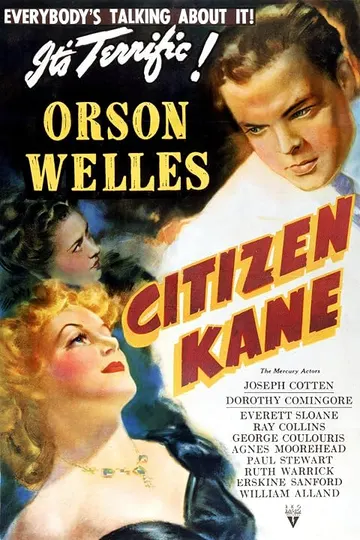
Witnesses search different sheets of the past for Kane; a complete truth remains unactualized.
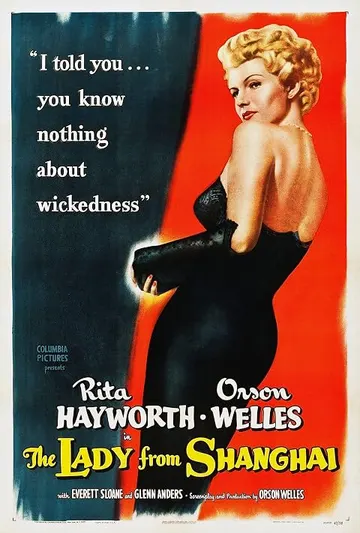
The Lady from Shanghai · 1947
Orson Welles / 奥逊·威尔斯 · United States
In the hall of mirrors, bodies, doubles, deception, and destruction reflect one another, dissolving stable ontological priority and forming a crystal.

Hiroshima mon amour · 1959
Alain Resnais / 阿伦·雷乃 · France / Japan
Private memory and historical catastrophe remain incommensurable; sound and image place both experiences within one interval, making forgetting temporal structure.
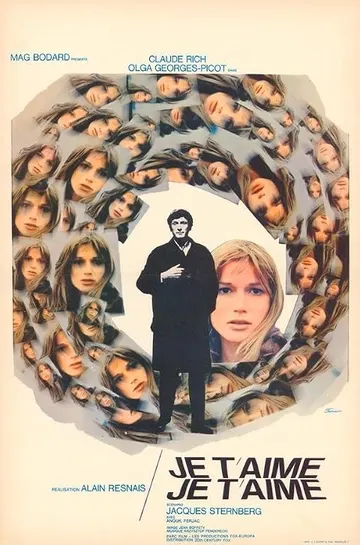
The time machine throws the protagonist among repeatedly contracting sheets of the past; the former present remains irretrievable.
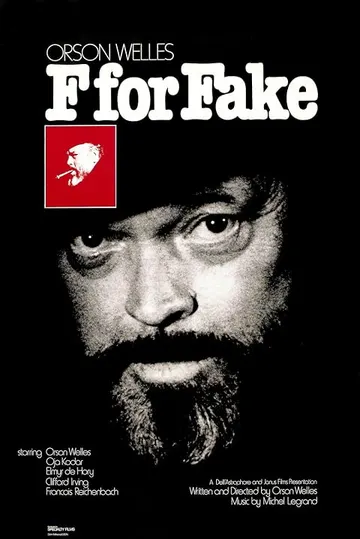
F for Fake · completed 1973 / released 1975
Orson Welles / 奥逊·威尔斯 · France / Iran / West Germany
Each expert, forger, director, and narrator passes the tribunal to another. The question becomes whose power can create.
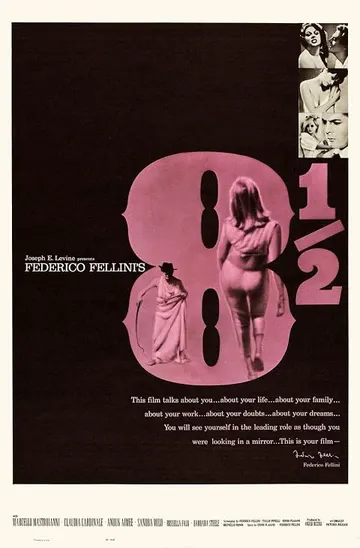
Reality, memory, fantasy, rehearsal, and the film project crystallize together; the unfinished work is both seed and environment absorbing life.
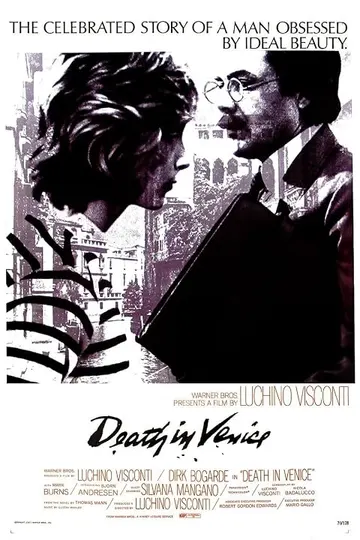
Artistic ideal, aristocratic world, and decaying body are caught in a crystal of too late; preservation simultaneously reveals decomposition from within.
Voices separate from visible bodies, while image and sound form autonomous series that meet at the edge of an absent event.
The maid’s small morning tasks receive their full duration. Seeing, waiting, and fatigue give everyday life optical density of its own.
After characters and rendezvous withdraw from the ending, places, objects, wind, and city noise persist. Time appears independently of relational action.
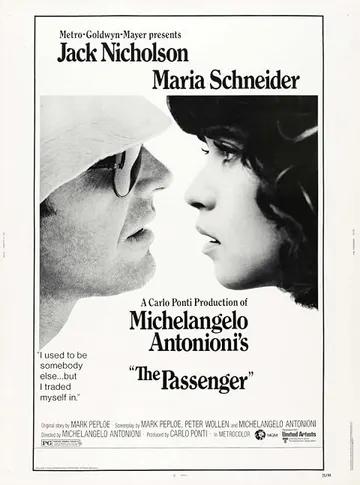
Professione: reporter · 1975
Michelangelo Antonioni / 米开朗基罗·安东尼奥尼 · Italy / France / Spain
The exchanged identity dissolves a masterful subjective centre; relations between camera and character perception unsettle the objective/subjective divide.
Hands, pockets, wallets, and relays connect a space that can never be surveyed as a whole. Tactile relations replace mastery through complete action-space.
The camera withdraws to hold the figure, then advances into a corridor that now belongs to her home. False continuity detaches space from action’s coordinates.
The father’s tears after the wedding remain within the everyday; death, separation, and grief flow through the same temporal series.
The recollection circuit in the sealed room organizes the past as destiny. Here flashback remains a recollection-image; direct time requires a deeper temporal structure.
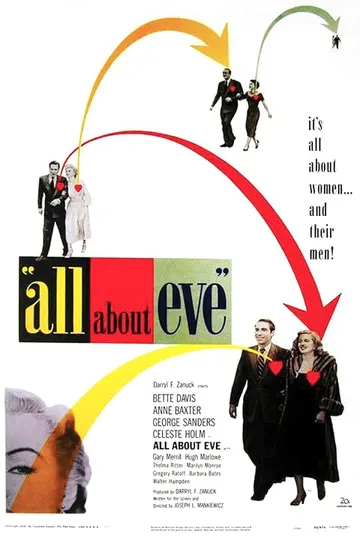
All About Eve · 1950
Joseph L. Mankiewicz / 约瑟夫·L·曼凯维奇 · United States
Multiple recollections return to conditional points where time might have taken another course, exposing its forks.

A Letter to Three Wives · 1949
Joseph L. Mankiewicz / 约瑟夫·L·曼凯维奇 · United States
The absent woman’s voice hangs over three marriages at once. Its displaced source and three possible consequences make time fork around one threat.
Glass, reflections, machine noise, and distant actions disperse the comic centre. Sonic gags gain effects independent of visible action.
The circus present rolls a series of virtual pasts inside itself. Flashback becomes a route through the crystal; actual/virtual exchange is the criterion.
Theatre and life, masters and servants, roles and reality nest within one another while retaining a fissure through which escape remains possible: the cracked crystal.
Deleuze explicitly calls it a turning crystal: mother and wife, childhood and present, memory and perception exchange actual and virtual positions.
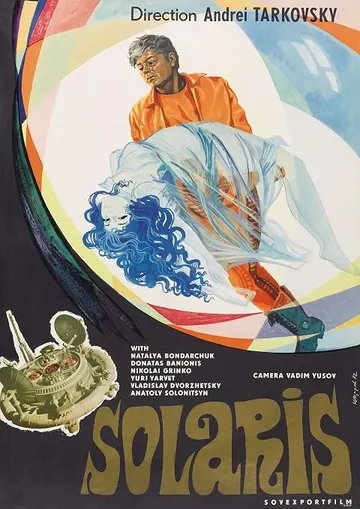
Memory acquires an actual body on Solaris, forming a circuit with the virtual past. Evidence: a brief adjacent example in Cinema 2.
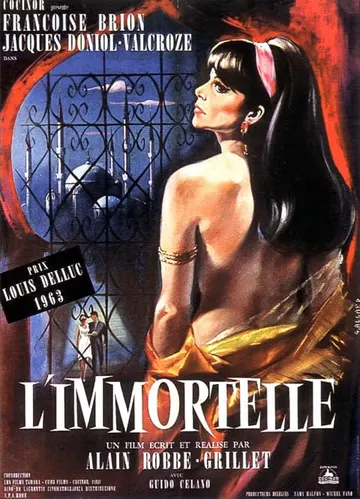
L’Immortelle · 1963
Alain Robbe-Grillet / 阿兰·罗布-格里耶 · France / Turkey
Differences among repeated scenes exceed a single true version. Each present holds in its own right, forming inexplicable peaks of the present.
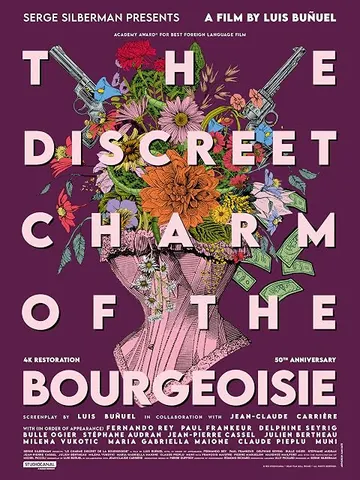
Le Charme discret de la bourgeoisie · 1972
Luis Buñuel / 路易斯·布努埃尔 · France / Italy / Spain
The meal repeatedly restarts through dream, performance, or interruption. Present versions replace one another with no final hierarchy. Deleuze mentions the film only briefly in Cinema 2, so this atlas keeps the claim correspondingly narrow.
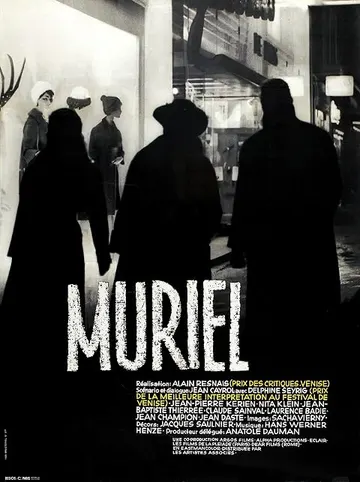
Muriel ou Le Temps d’un retour · 1963
Alain Resnais / 阿伦·雷乃 · France / Italy
The Algerian War past remains fragmentary as short montage, rooms, and speech continually transform it across different sheets.
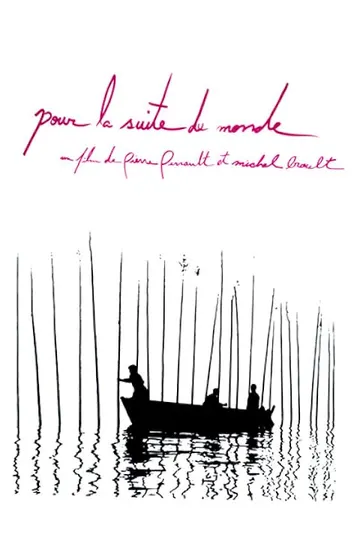
Pour la suite du monde · 1963
Pierre Perrault & Michel Brault / 皮埃尔·佩罗、米歇尔·布罗 · Canada
Reviving the beluga hunt is both action and storytelling. Filming reorganizes communal memory and produces collective utterances that prefigure a people to come.
Choice exceeds calculable consequences and becomes a mode of existence. Bodily attitudes and disconnected planar relations let belief replace knowledge.
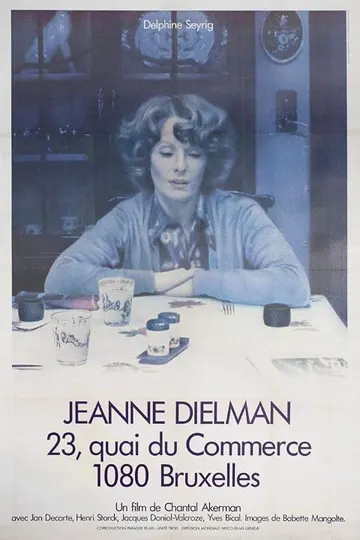
Jeanne Dielman, 23 quai du Commerce, 1080 Bruxelles · 1975
Chantal Akerman / 香特尔·阿克曼 · Belgium / France
Cooking, cleaning, waiting, and counting appear in their full duration. Minute disorder first develops in body and ceremony.
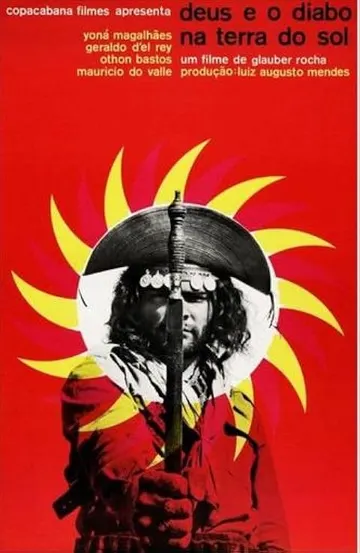
Deus e o Diabo na Terra do Sol · 1964
Glauber Rocha / 格劳贝尔·罗恰 · Brazil
Popular myth, trance, violence, and shifting allegiance reveal a missing people and the task of creating them.
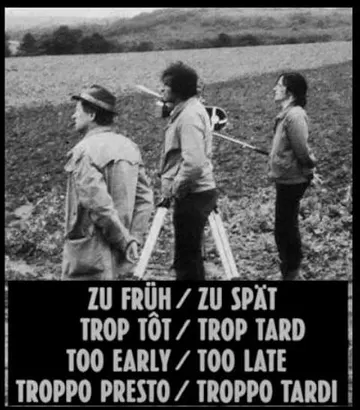
Trop tôt, trop tard · 1981
Danièle Huillet & Jean-Marie Straub / 达尼埃尔·于伊耶、让-马里·斯特劳布 · France / Egypt
Present land and invisible class struggle form strata while sound and visual image retain their boundaries.
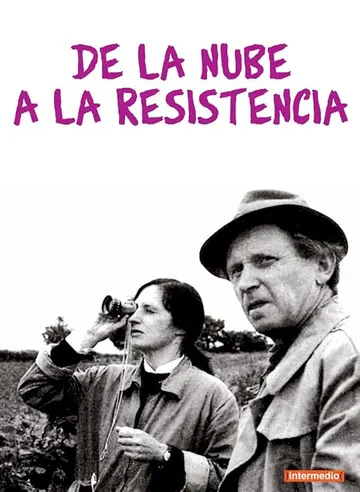
Dalla nube alla resistenza · 1979
Danièle Huillet & Jean-Marie Straub / 达尼埃尔·于伊耶、让-马里·斯特劳布 · Italy / West Germany / France
Mythic text, postwar resistance, and filmed land form distinct strata. Speech acts awaken the image’s historical pressure across irrational cuts.

Viaggio in Italia · 1954
Roberto Rossellini / 罗伯托·罗西里尼 · Italy / France
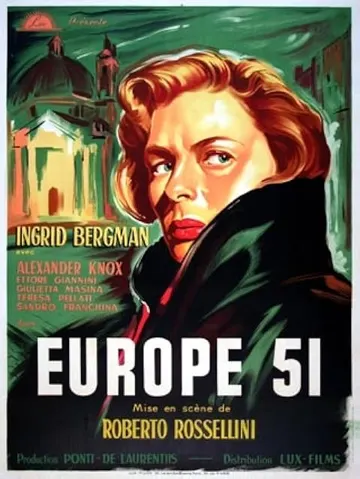
Katherine is struck by unfolding landscapes and visual clichés, discovering something beyond what she can personally bear. She no longer resolves what she sees through action but becomes a seer.
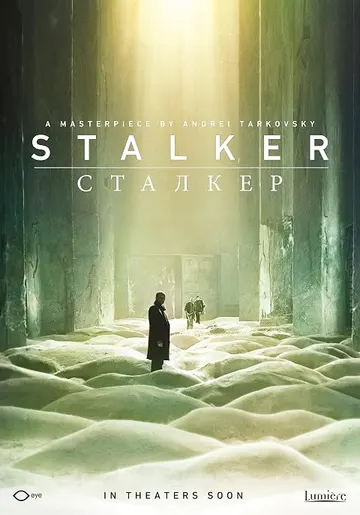
The Zone refuses to become a transparent environment, returning the milieu to indeterminate opacity and the seed to the morbidity of something aborting. Rain and wet matter stage a hesitant search between material and spiritual.
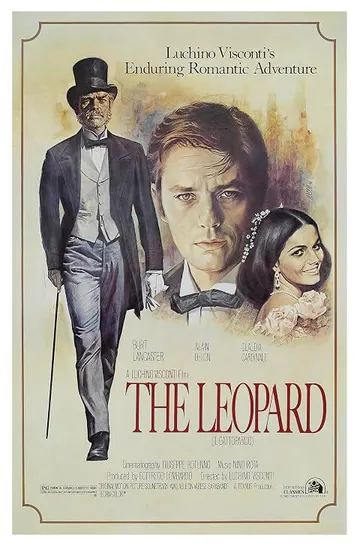
The ball is not the aristocratic world's last ornament but a crystal already decomposing within history. The Prince hears the ‘too late’ spreading across Sicily, so preservation and decay occupy the same image.
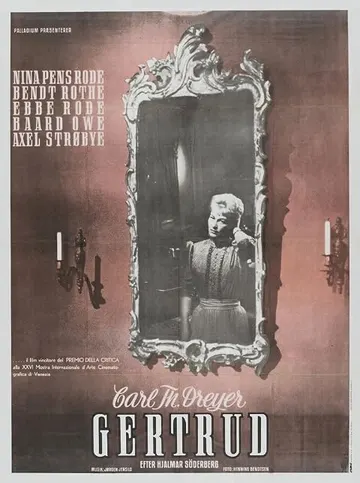
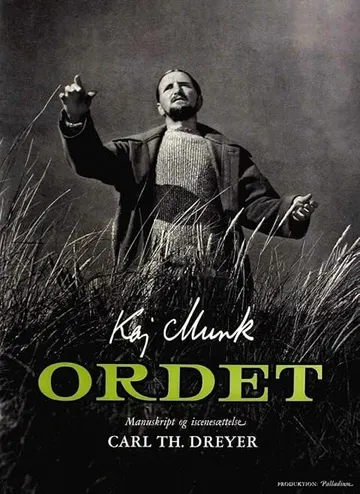
The dead, cataleptic woman becomes thought itself. Only when Johannes ceases to believe himself another world does he understand how belief restores life and love to this world.
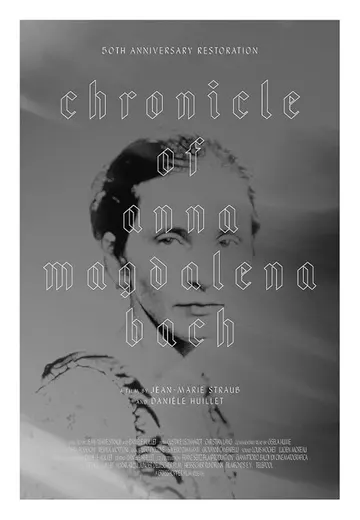
Chronik der Anna Magdalena Bach · 1968
Danièle Huillet & Jean-Marie Straub / 达尼埃尔·于伊耶、让-马里·斯特劳布 · West Germany / Italy
Anna's narration, letters, and the son's account form free indirect discourse. Live performance lets music acquire a resistant force independent of score and biographical explanation.
Two atemporal voices and the visible image each form autonomous series. The irrational cut preserves their boundaries so sound and image meet only at their limits.
The house ceases to contain action. Desire unfolds through speech while perception extends among empty rooms, bodies, and objects; what Deleuze calls a class of violence circulates between sound-image and visual image.
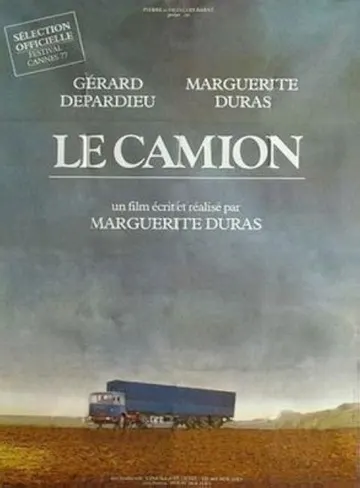
Sound acquires the reader's body while the visual is emptied into an unoccupied cab, roads, and a phantom lorry. As the lorry moves toward the sea, terrestrial movement enters Duras's oceanic perception.
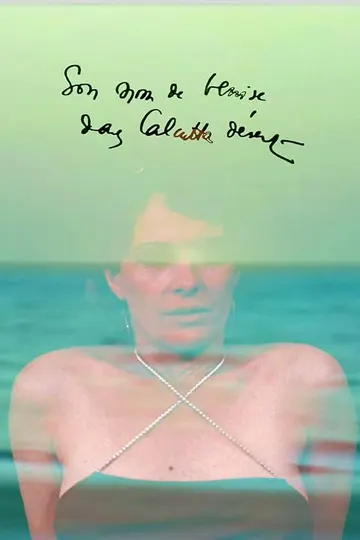
Son nom de Venise dans Calcutta désert · 1976
Marguerite Duras / 玛格丽特·杜拉斯 · France
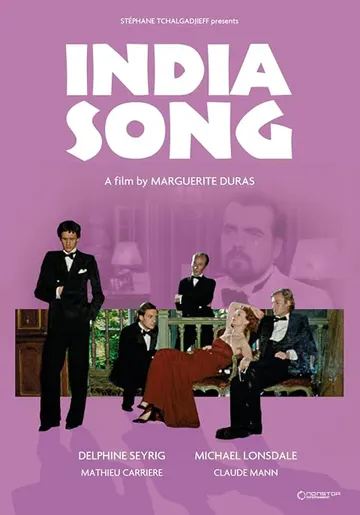
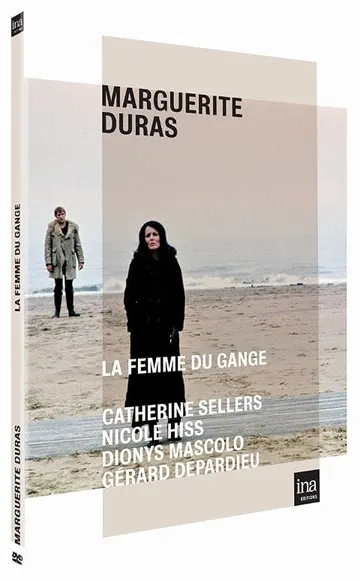
The soundtrack of India Song is placed over a different field of ruins. Names remain in an earlier stratum of memory while the ruins belong to another present; sound and image do not coincide on-screen and approach one another only at their limits.
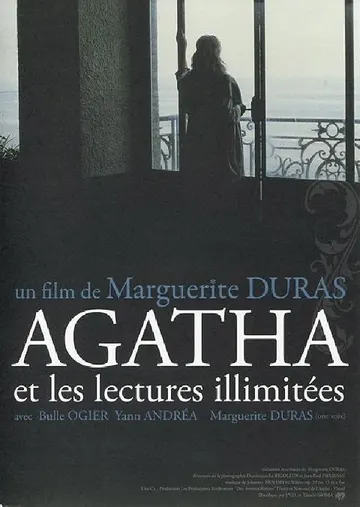
Agatha et les lectures illimitées · 1981
Marguerite Duras / 玛格丽特·杜拉斯 · France
Abandoned rooms become a phantom ship moving toward the beach. Visual space and sonic memory unfold time separately, while limitless reading enters an oceanic perception deeper than particular things.
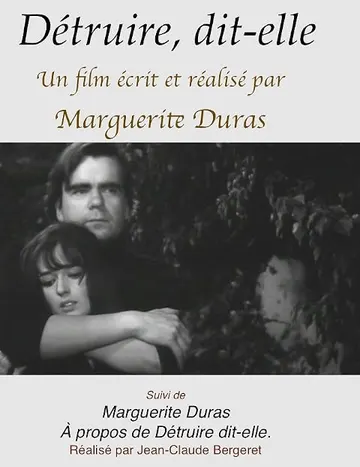
House and park are reduced to an almost motionless visual stratum, while relations are produced mainly by speech, pauses, and unseen events. The film establishes the structural point from which Duras later separates sound and vision more radically.
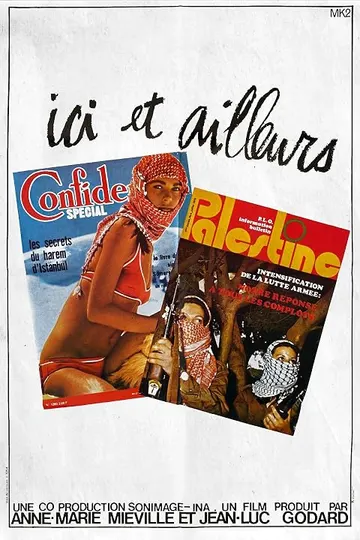
Ici et ailleurs · 1976
Jean-Luc Godard, Anne-Marie Miéville & Jean-Pierre Gorin / 让-吕克·戈达尔、安妮-玛丽·米耶维尔、让-皮埃尔·戈兰 · France
Palestinian images and French domestic images are not unified by analogy. The between first breaks the received chain, then lets difference itself organize a new political relation.
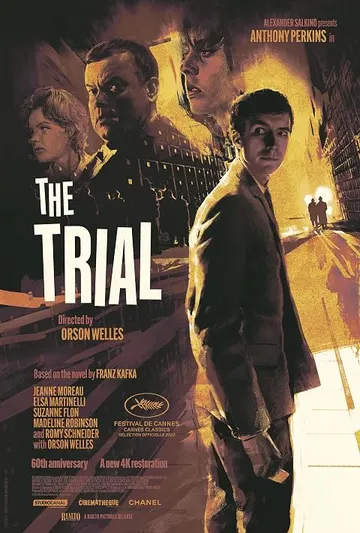
The opening low angle starts Josef K.'s search for an accusation. Women, books, childhood, art, and religion become adjacent sheets of past. The trial has no terminus; a changing series of falsifiers keeps it in motion.
Mr Clay stages a legend as reality, making the film both the legend's mirror and the seed from which it germinates again. Once enacted, the story escapes its arranger and returns to the sea and to another telling.
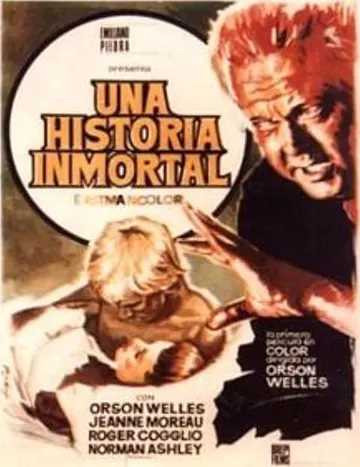
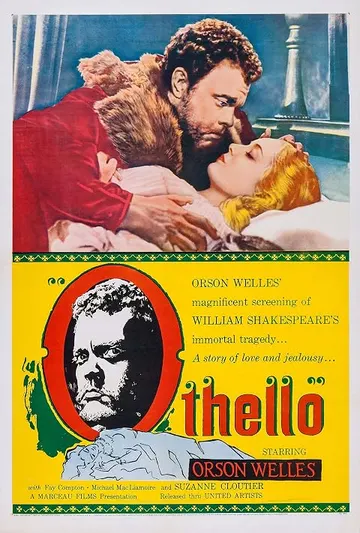
Death supplies a fixed point around which jealousy, testimony, deceit, and memory coexist non-chronologically; Iago turns truth-seeking and judgement into a changing series of falsifiers. Montage organizes both sheets of past and relations of force.
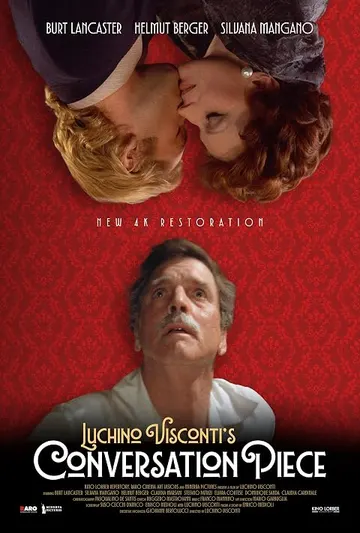
Gruppo di famiglia in un interno · 1974
Luchino Visconti / 卢基诺·维斯康蒂 · Italy / France
The professor is surrounded by artworks, yet his knowledge of art separates him from life and creation. The family entering his apartment decomposes the artificial crystal from within, and his sensuous revelation through the young man arrives too late.
Alexis and Perrault become intercessors for one another through the journey to France. The search does not restore a fixed origin; character, filmmaker, and Québec's collective voice change together through storytelling.

ลุงบุญมีระลึกชาติ · 2010
Apichatpong Weerasethakul / 阿彼察邦·韦拉斯哈古 · Thailand
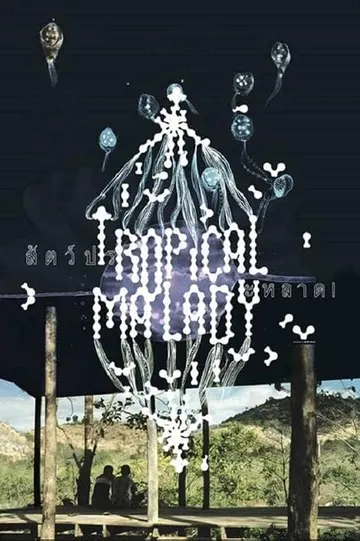
The dead, the living, animals, and former lives unfold incompatible times on the same perceptual plane.
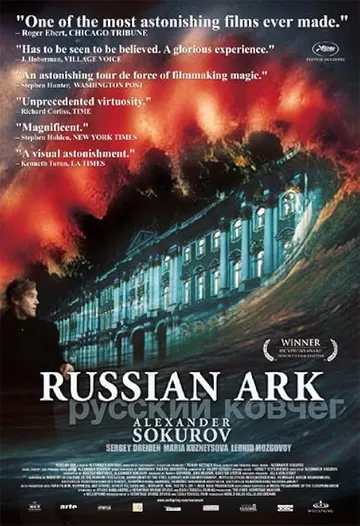
The single take turns the Hermitage into traversable sheets of the past, carrying history beyond a linear present.
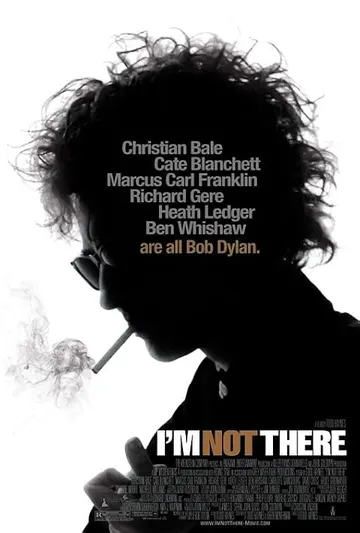
Six bodies generate multiple Dylans through heterogeneous attitudes, voices, and bodily surfaces.
Black stage, white lines, and invisible doors turn setting into a map of thought and reveal space as a relational machine.
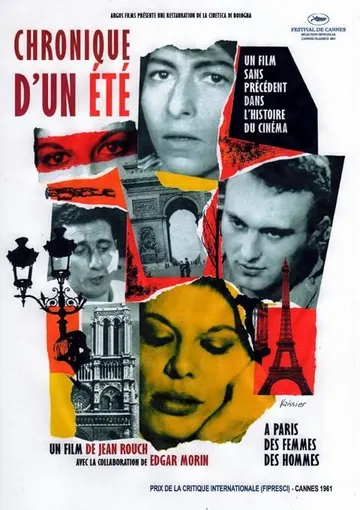
Chronique d’un été · 1961
Jean Rouch & Edgar Morin / 让·鲁什、埃德加·莫兰 · France
Participants answer, perform, and reorganize their experience, then watch the film together and criticize their screen images. Identity moves among lived position, filmed role, and collective discussion, turning the camera from an investigative tool into a participant in the event.
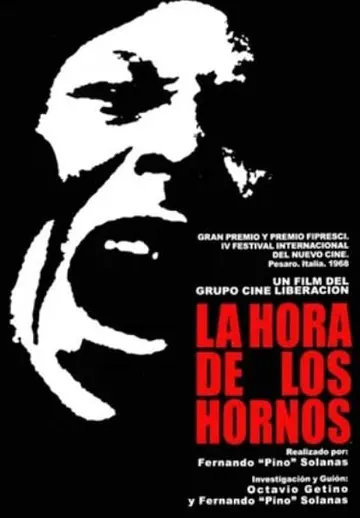
La hora de los hornos · 1968
Fernando Solanas & Octavio Getino / 费尔南多·索拉纳斯、奥克塔维奥·赫蒂诺 · Argentina
Montage, intertitles, pauses, and discussion organize projection as political action. Because the film presupposes a revolutionary people available to be addressed, it becomes a decisive comparison for testing the boundary of Deleuze's claim that the people are missing.
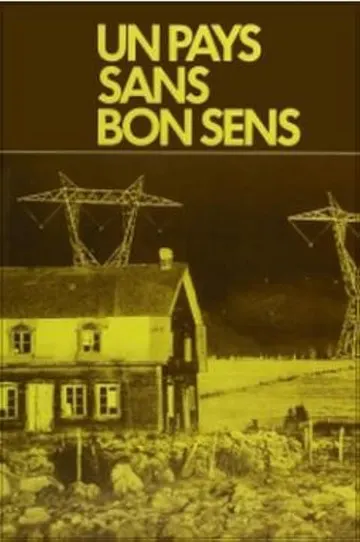
Un pays sans bon sens! · 1970
Pierre Perrault / 皮埃尔·佩罗 · Canada
Isolated figures question Québec belonging from different positions, turning country into a problem no single representative can close. Disagreement, relay, and transformation form collective utterances directed toward a people to come.
The film’s rupture produces a new perceptual regime among love, legend, human-animal becoming, and forest, testing the postwar European model in return.
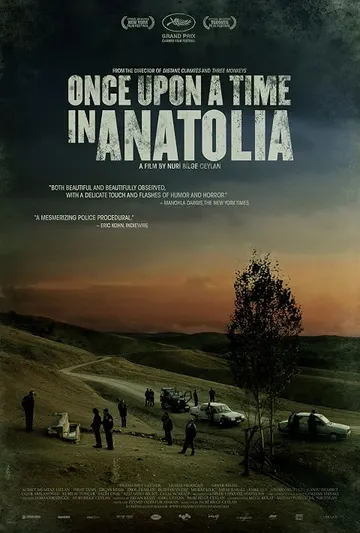
Bir Zamanlar Anadolu’da · 2011
Nuri Bilge Ceylan / 努里·比格·锡兰 · Turkey
Headlights repeatedly illuminate similar slopes and fountains, yet the suspect can only answer 'not here.' The search accumulates no mastery of the steppe; it releases wind, an apple rolling into a stream, car conversations about illness and family, and the pause produced when the mayor's daughter serves tea. Even after the body is found, transported, and examined, the doctor suppresses a detail that could alter responsibility. Procedure finishes while the event remains unexhausted: the time of death stays among landscape, fatigue, and a judgment left unwritten.
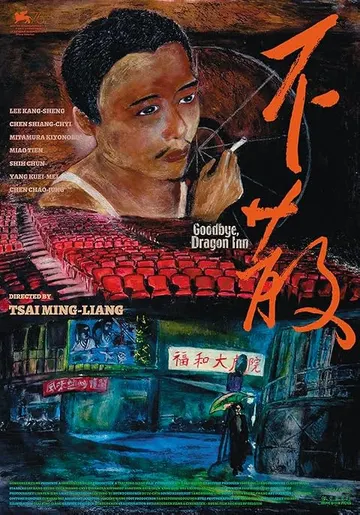
Theatre space, spectral spectators, waiting, and cinematic memory deprive action of its object; this relation provides the time-image criterion.
Criterion: the Dangmai sequence lets search, past, future premonition, and spatial traversal coexist within one present.
Criterion: whether dream repairs action or opens an indiscernible actual/virtual circuit.
Demolition space, broken relations, and sudden unreal objects remove the coordinates of action; local history provides the analysis’s core scale.
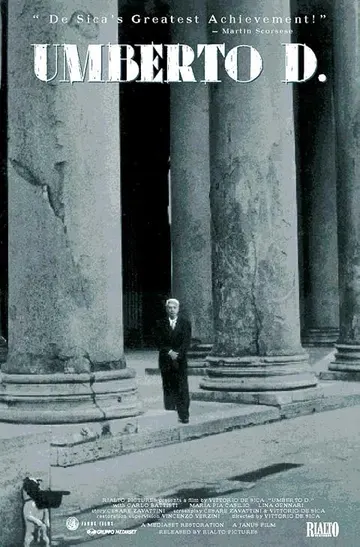
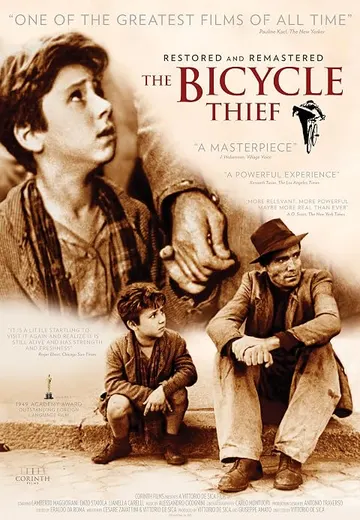
The search should organize Rome as a space of purposeful action, yet it carries father and son through crowds, streets, and encounters that never cohere. When the boy witnesses his father’s failed theft, seeing replaces solution: the character becomes a seer within a situation he can no longer answer.
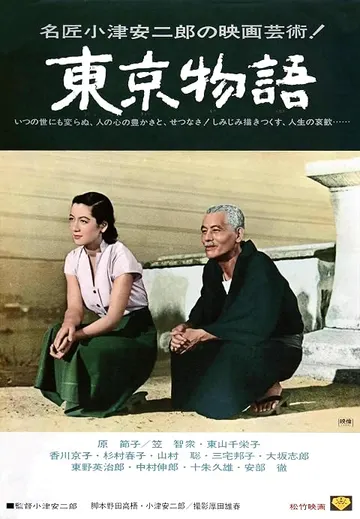
Trains and buses deliver the parents to Tokyo without re-forming the family as a community of action. Low viewpoints, abbreviated visits, empty rooms, and smokestacks break the trip into everyday intervals. After the mother’s death, objects and spaces continue, and time appears as the persistence of ordinary life.
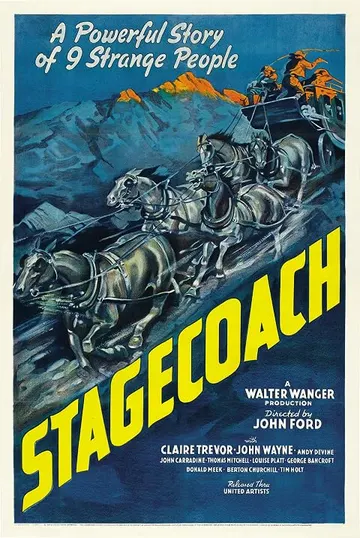
Cinema 1 chapter 9 defines S–A–S′ on pp. 141–142. Page 146 directly uses Stagecoach's alternation between coach interior and exterior to explain Ford's Encompasser and treats the circular S–A–S as a first approximation; p. 147 then distinguishes Ford's spiral as S–A–S′, moving toward a new situation. The atlas therefore locates three passages without treating a long shot as proof by itself. Around 00:35:10, the coach is reduced beneath Monument Valley and the sky, proposing rather than proving an encompassing situation. From 01:13:30 to 01:15:20, cross-cutting distributes driver, reins, horses, gunfighters, and passengers across a collective act, giving firmer evidence for A. From 01:33:50 to 01:35:28, Ringo is released and leaves with Dallas in a small cart. That departure may form S′, but it is also a countertest: the film clearly shows Ringo leaving town with Dallas after his release without directly showing whether legal and class positions inside the town are redistributed. Deleuze's criticism on p. 150 of American montage reducing social causes to a personal duel, together with the distinctions among whole mission, local action, and duel on pp. 151–152, sets the textual boundary for asking whether a changed situation for the pair amounts to a changed situation as a whole. The atlas is responsible for the three timecodes and for relating them in this way.
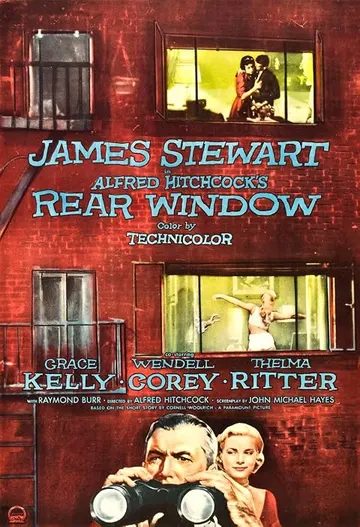
Window frame, telephoto lens, and point-of-view editing turn the neighbours’ actions into relations to be inferred, while the immobilized Jeff cannot enter the scene. Observer, observed object, and the conjecture joining them all become image-content; relation itself becomes a third term.
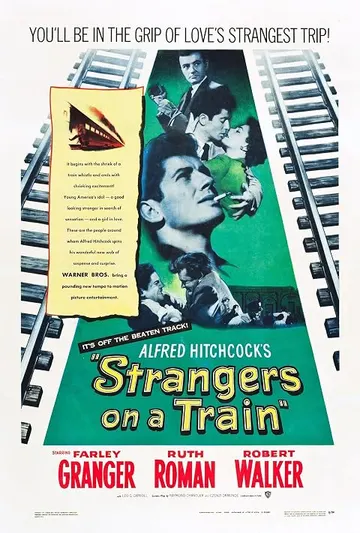
Strangers on a Train · 1951
Alfred Hitchcock / 阿尔弗雷德·希区柯克 · United States
Cinema 1, p. 201 directly invokes an exchange of crimes and murders to explain how Hitchcock surrounds and penetrates action with a fabric of relations; it does not classify the lighter, touching shoes, or spectacles shot by shot. Rushton, pp. 48–53, supplies the more specific chain: accidental foot contact on the train initiates a relation between strangers; Bruno construes Guy's words as an exchange of crimes. The lighter begins as Anne's gift to Guy. When Guy lends it to Bruno for a cigarette, Bruno reads its 'A to G' inscription—Anne to Guy—and draws the Anne–Guy gift relation into the Guy–Bruno criminal relation, making the lighter a mark of that relation; he later tries to turn it into a demark that would place Guy at the murder site. Barbara's spectacles abruptly reconnect a dinner-party strangling game to Miriam's murder. On p. 53 Rushton follows Robin Wood's account of the “spectator trap” to show that implication is not merely informational: the film first encourages the audience to treat Miriam's death as the removal of Guy's obstacle, then turns that desire back on the audience through the dinner-party strangling game. That the audience witnesses Bruno's act before Guy does is the atlas's carrier-based record of a knowledge gap; it is not folded into the same claim about Thirdness. Deamer, pp. 132–137, is used only to calibrate the general taxonomy of mark, demark, symbol, and spectator relation. The atlas remains responsible for its three Bilibili timecodes and shot-level applications; these are not presented as Deleuze's own shot analysis.
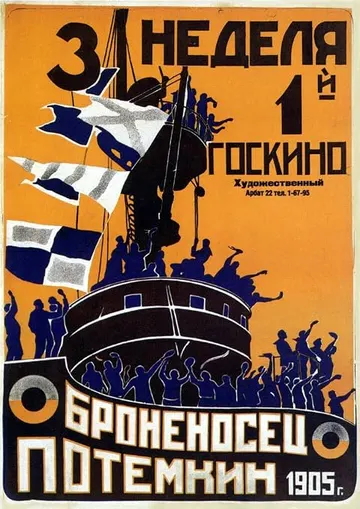
Броненосец «Потёмкин» · 1925
Sergei Eisenstein / 谢尔盖·爱森斯坦 · Soviet Union
The Odessa Steps organize direction, scale, collective bodies, and the soldiers’ machine into conflicting series; three stone-lion shots turn quantitative difference into a qualitative leap. Montage generates an organic whole through opposition, rupture, and rising pathos.

La Passion de Jeanne d’Arc · 1928
Carl Theodor Dreyer / 卡尔·西奥多·德莱叶 · France
Close-ups strip the courtroom of continuous space, confronting Joan’s eyes, tears, and lips with the judges’ wrinkles. The face ceases to serve action and becomes a surface of intensive variation; fear, faith, and cruelty are perceived directly as qualities.
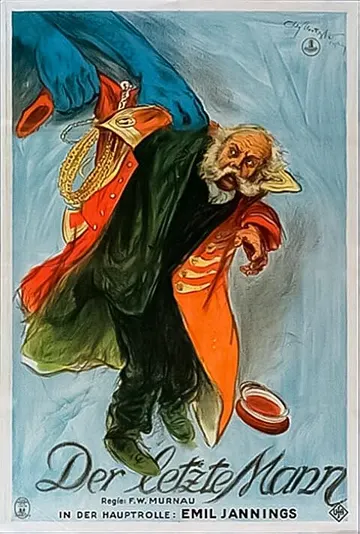
The camera rides the lift, crosses the lobby, and sways with drunkenness, composing the doorman’s dignity together with hotel space. Once his uniform is taken, the building changes from stage of prestige to apparatus of oppression; camera movement performs the perceptual change.
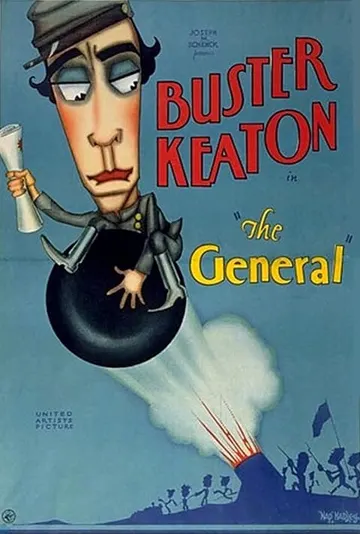
The General · 1926
Buster Keaton & Clyde Bruckman / 巴斯特·基顿、克莱德·布鲁克曼 · United States
War, railway, flood, and broken bridge first compose an immense situation that dwarfs the little man. Continuous trajectories and the ‘miniaturization’ of machines then let a small body transform the whole through the locomotive. The General places burlesque directly inside the large form S–A–S′.
Village maps, formations, and reconnaissance gather every given condition of defence, then force a higher question: ‘What is a samurai at this historical moment?’ The rain battle secures the village, but burial mounds and peasant song answer that the peasants are the true victors and the samurai have become displaced shadows.
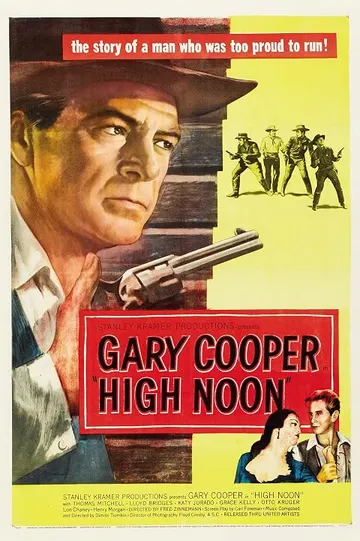
Clocks, tracks, and emptied streets compress the town into a one-hour countdown. Kane repeatedly asks for help, yet action cannot organize the community. The duel completes a classical action-image, but the badge dropped in the dust prevents victory from restoring trust.
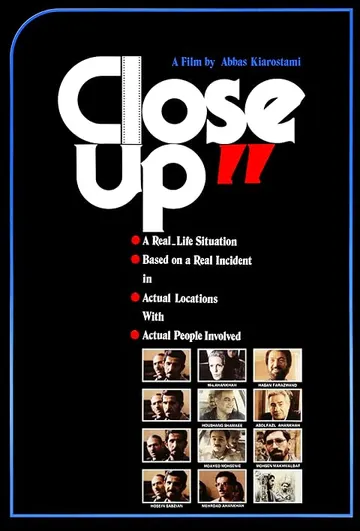
Sabzian enters a family as ‘Makhmalbaf,’ and trial footage plus reenactment asks the actual participants to perform themselves. No single judge settles identity as true or false; the camera follows how a lie produces relations, shame, and creative desire.
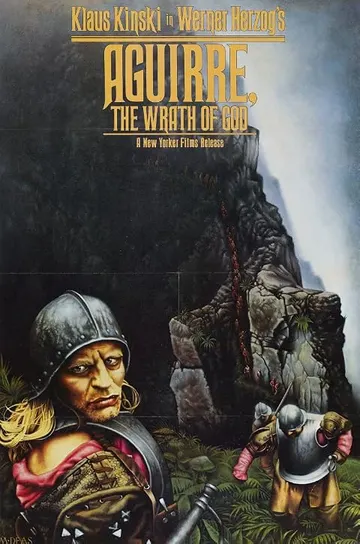
Aguirre, der Zorn Gottes · 1972
Werner Herzog / 沃纳·赫尔佐格 · West Germany
Rapids, mud, and forest might support heroic action, but Aguirre subordinates the expedition to a sublime plan to betray God, king, and everyone else. The farther the raft travels, the more the plan becomes empty speech; corpses, mist, and monkeys reduce a history of conquest to one isolated body's terminal performance.
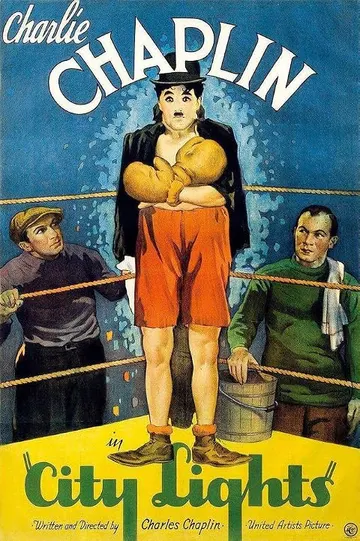
Cinema 1 chapter 10 gives the general structure of small form A–S–A′ and its lacking or equivocal indices on pp. 160–163. Page 169 directly names City Lights as an example of a 'personality split of a pivotal character,' without assigning the millionaire's drunk or sober passages or a rule of recognition shot by shot. The atlas tests the drunken welcome from 00:11:30 to 00:15:50 and sober rejection from 00:34:14 to 00:35:48 as the concrete filmic realization of that phrase. The sequence directly named on p. 171 is the thread-unravelling gag around 00:52:32–00:53:54, not the final recognition. In the first meeting from 00:07:20 to 00:09:38, the film juxtaposes a dropped flower, its recovery, a coin, an approaching figure, and a departing car for the viewer; the flower seller can draw on touch, transaction, and sound, while exact attribution of each door sound still requires track-level review. In the touch recognition from 01:24:56 to 01:26:12, the action chain contracts into an affective instant of face, hand, shyness, and smile, without automatically establishing a new practical A′ or turning the film into a time-image. The theoretical relations assigned to all three located groups remain the atlas's responsibility.
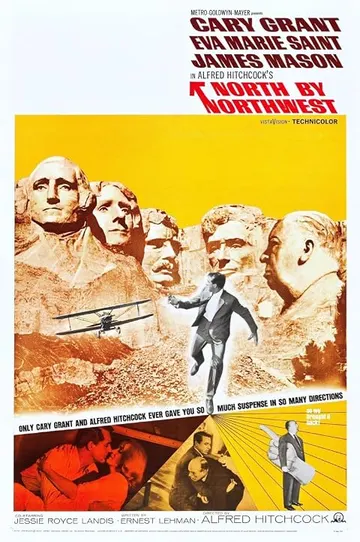
North by Northwest · 1959
Alfred Hitchcock / 阿尔弗雷德·希区柯克 · United States
The three passages require distinct evidentiary levels. At 00:00:50 the diagonal grid, title, and directional arrows propose that relational positions precede personal identity, but geometrical resemblance alone does not establish Thirdness. The farmland passage around 01:12:00 first composes a habitual series of waiting, road, vehicles, and fields; a stranger observes that the plane is dusting where there are no crops, and this relational contradiction makes it the demark that reroutes the series. At 02:15:59 the match cut joins cliff rescue to an embrace in the train berth, countertesting an overextended relation-image through sensory-motor closure and marital resolution. Deleuze, p. 203, and Rushton, pp. 48–53, supply the sign criteria; the edition bounds and comparison among opening, field, and ending are the atlas's responsibility.
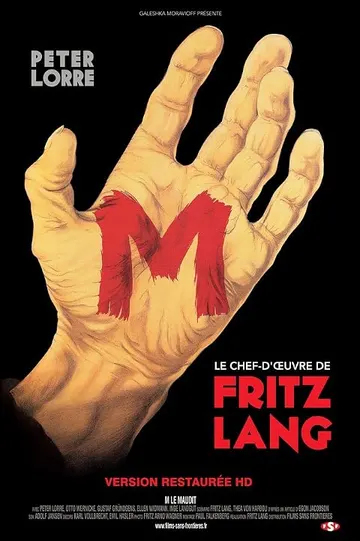
Police and underworld tighten the city through raids, maps, and divided labour, yet the real duel is not between them. The underworld tribunal presents crime as manageable habit, while M pleads an uncontrollable impulse. The clash between organized action and affective compulsion marks Lang's passage from expressionist shadow to austere realism.
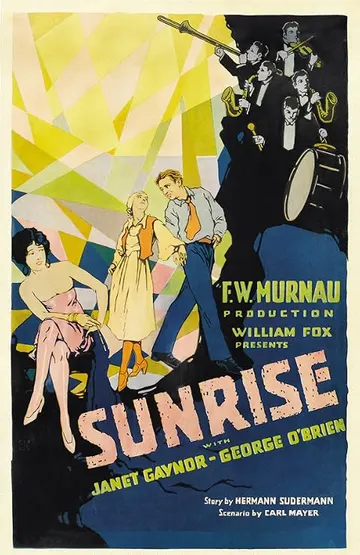
Sunrise: A Song of Two Humans · 1927
F. W. Murnau / F·W·茂瑙 · United States
The dark marsh and luminous city are not two settings but two forces of a marriage moving through seduction, murder, and reconciliation. After the false report of drowning, searchlights cut across the lake and shadow changes by degrees into light. Milieu, faces, and movement together carry a passage from falling toward renewed illumination.
When the projectionist enters the screen, his body remains still while garden, street, precipice, snowfield, and shore strike through cuts. The train passage reverses the relation, carrying him continuously across roof, water tower, and track in one shot. Disjunctive editing and bodily trajectory make the cinema-machine a comic agent.
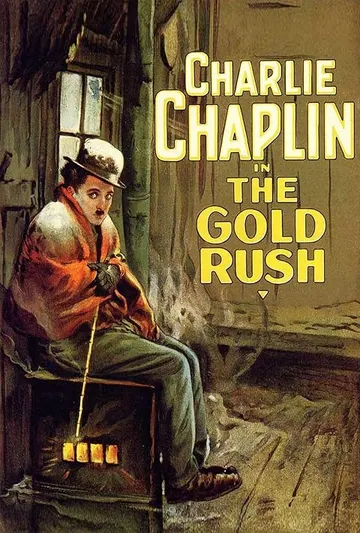
Cabin, hunger, and dreams of wealth keep reversing through slight differences: a shoe becomes dinner, and the Tramp becomes a chicken in Big Jim's eyes. No character masters the total situation; each improvises at a critical instant. Comedy makes action from a minute perceptual shift while letting survival slide toward devouring.
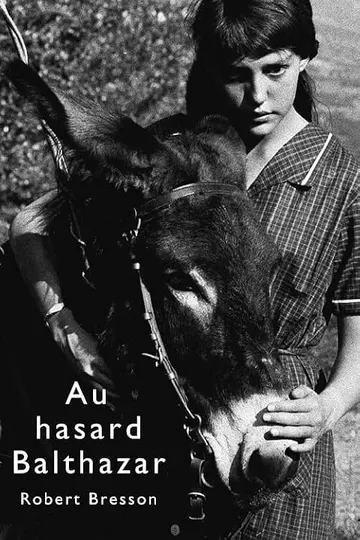
Au hasard Balthazar · 1966
Robert Bresson / 罗伯特·布列松 · France / Sweden
Balthazar makes no ethical choice, yet bears the effects of every human choice and non-choice. Reins, blows, loads, and wounds write human relations onto the animal body. Dying among sheep, he gives no verdict; the event suffered by the innocent separates from motive and becomes a spiritual affect.
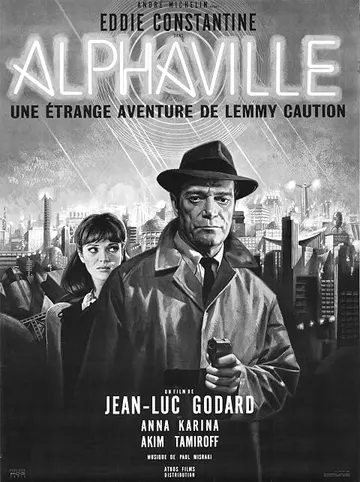
Alphaville, une étrange aventure de Lemmy Caution · 1965
Jean-Luc Godard / 让-吕克·戈达尔 · France / Italy
Alpha 60's voice, an ever-contracting dictionary, and ubiquitous interrogation turn power from a single tyrant into an information network. Lemmy enters with the body of an old detective film and with poetry, making action, language, and feeling into noise the machine cannot process. The controlled city develops a rhythmic fault from within.
Misty lake, back rooms, fields, and garden extend space through adjacent fragments rather than a total viewpoint. Overflow from the bath leads to fields and then to a meal months later. One line of the universe passes through the seductive ghost and returns to the dead wife's presence, joining living, dead, and social oppression.
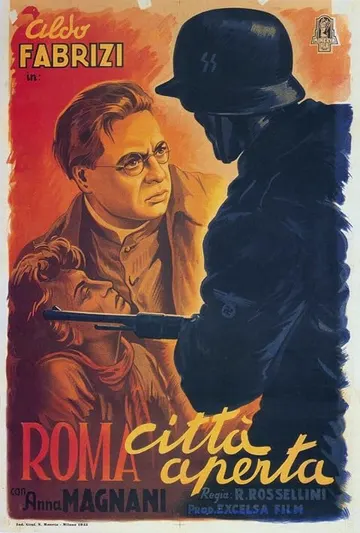
Partisans, a civilian household, a priest, and the occupiers might have converged into one line of resistance, yet raids, a street chase, abrupt gunfire, torture, and execution cut it into displaced encounters. Pina runs after the truck and suddenly falls while the children can only look on. Action no longer encompasses the event; postwar reality first appears as dispersion and gaps.
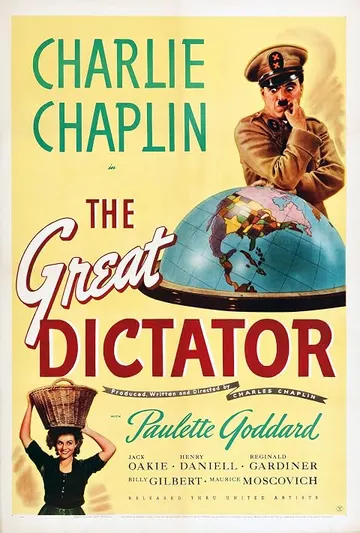
The Great Dictator · 1940
Charles Chaplin / 查理·卓别林 · United States
The same face and moustache need only a change of uniform, posture, and vocal regime to occupy the incommensurable situations of victim and executioner. At 00:54:08–00:56:16, the globe ballet contracts world conquest into balloon, dance, and rupture; the atlas treats it as a candidate attraction under chapter 11, pp. 182–183. At 01:50:07–01:54:27, misrecognition exchanges prisoner and ruler, making it a candidate inversion under pp. 183–187. Both are shot-level atlas inferences. The final address at 01:59:09–02:03:08 has direct support in chapter 10, pp. 171–173: an ordinary voice replaces Hynkel's pseudo-German terror and makes the political problem implicit in the doubled role into Deleuze's discursive figure. This establishes discourse as image-object, not the completed transformation of democratic institutions within the film.
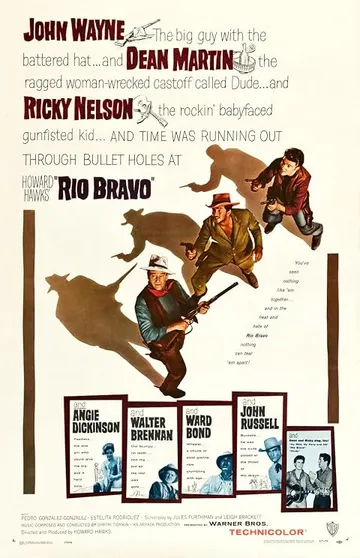
The jail scarcely needs the prisoner's body to acquire meaning; it operates as a functional node to be held or breached. Sheriff, recovering alcoholic, disabled old man, and young gunfighter represent no organic community. They form a provisional group through capacities to guard, hear, carry, and shoot, while the final combination of dynamite and rifle compresses Western space into exchangeable functions.
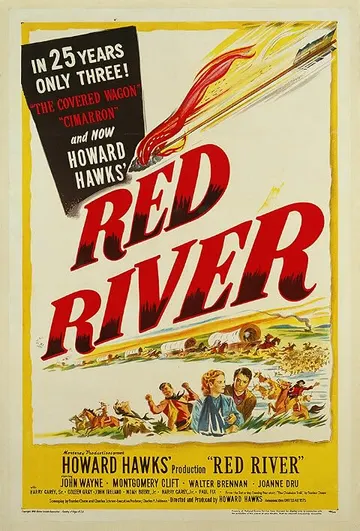
Deleuze names Red River in Cinema 1, chapter 10, p. 165, within Hawks and the small form rather than directly presenting it as a model of the large form. Open landscape and collective task can still pose an S–A–S′ hypothesis. The atlas then countertests it through the claim passage at 00:15:38, stampede at 00:51:20, and transfer of command at 01:21:08: does an encompassing situation genuinely precede action, or is it progressively disclosed and reorganized by local acts, differences of speed, and relayed functions? The relation among these three shots is the atlas's responsibility, not a shot-by-shot gloss of p. 165.
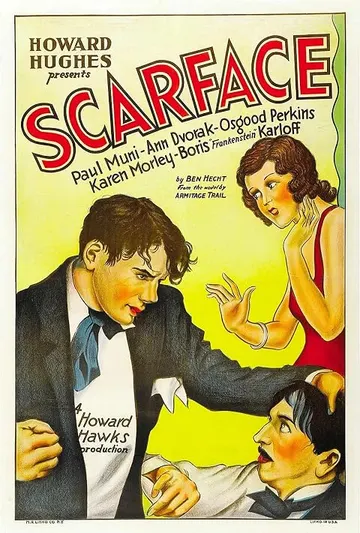
Scarface: The Shame of the Nation · 1932
Howard Hawks / 霍华德·霍克斯 · United States
Tony builds an apparently effective gangster habit through assassination, machine-gun fire, and territorial seizure, while recurring X marks inscribe death within each success. The milieu is no stable community but an alliance ready to reverse. When his sister is shot, possessiveness, arrogance, and fear converge into a crack, and the actions that organized situations abruptly fail.
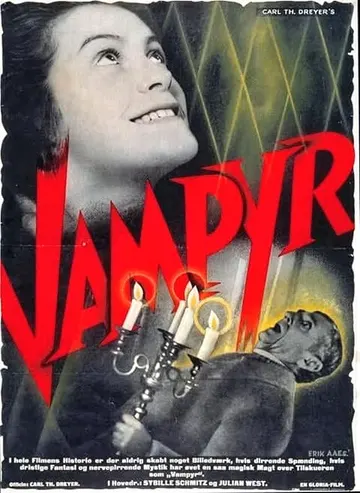
Vampyr — Der Traum des Allan Grey · 1932
Carl Theodor Dreyer / 卡尔·西奥多·德莱叶 · Germany / France
Pale grey light, drifting shadows, a scythe detached from its owner, and the road seen upward from inside a coffin strip inn, mill, and manor of stable coordinates. Allan Grey is not an agent who masters horror but Deleuze's grey figure of uncertainty. He moves between real connection and virtual supernatural possibility, while space itself bears the choice not yet decided.
64 scene analyses describe images, sounds, characters’ actions, and temporal relations. Bilibili viewing links accompany 16 of the films.
Each essay begins with continuous scenes and connects them to primary passages, seminar records, cited scholarship, and atlas analysis.
Ask whether it merely supplies causal information; time becomes the issue only when distinct sheets of past coexist without reducing to one recollection.
A mirror is only a formal clue; a crystal requires actual and virtual to exchange while remaining indiscernible.
Duration is not the conclusion; ask whether persistence, waiting, and intervals subordinate movement to time rather than merely slowing action.
Timecodes refer to the edition named in each entry. Primary-text locators distinguish Minnesota 1989 from Bloomsbury Revelations 2013; scene analyses and bibliography records have direct links. Research library
Title, year, and director distinguish films with the same name. Posters include their source; original title cards are labelled separately.
Search by title and year for film records, cast, and edition details.
Viewing links distinguish features from excerpts. Part numbers, film start times, subtitles, login requirements, and region restrictions appear beside the relevant link.
Deleuze directly uses the film to establish, distinguish, or deepen a concept.
The film appears in Cinema 2 as a brief example, list item, or supporting mention.
Established by a named monograph, article, or special issue.
Conceptual interpretations and comparisons developed from specific shots.
Filter the film directory by platform, edition, or viewing conditions.