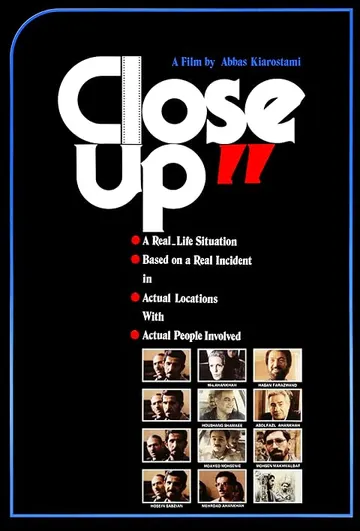
Abbas Kiarostami / 阿巴斯·基亚罗斯塔米 · 1990
Close-Up
Nema-ye Nazdik
Sabzian enters a family as ‘Makhmalbaf,’ and trial footage plus reenactment asks the actual participants to perform themselves. No single judge settles identity as true or false; the camera follows how a lie produces relations, shame, and creative desire.
Film details
- Original title
- Nema-ye Nazdik
- Director
- Abbas Kiarostami / 阿巴斯·基亚罗斯塔米
- Year
- 1990
- Region
- Iran
Film analysis: how shots organize concepts
Trial, documentary recording, and reenactment make participants perform themselves; truth-testing shifts toward what relations and lives a lie can produce.
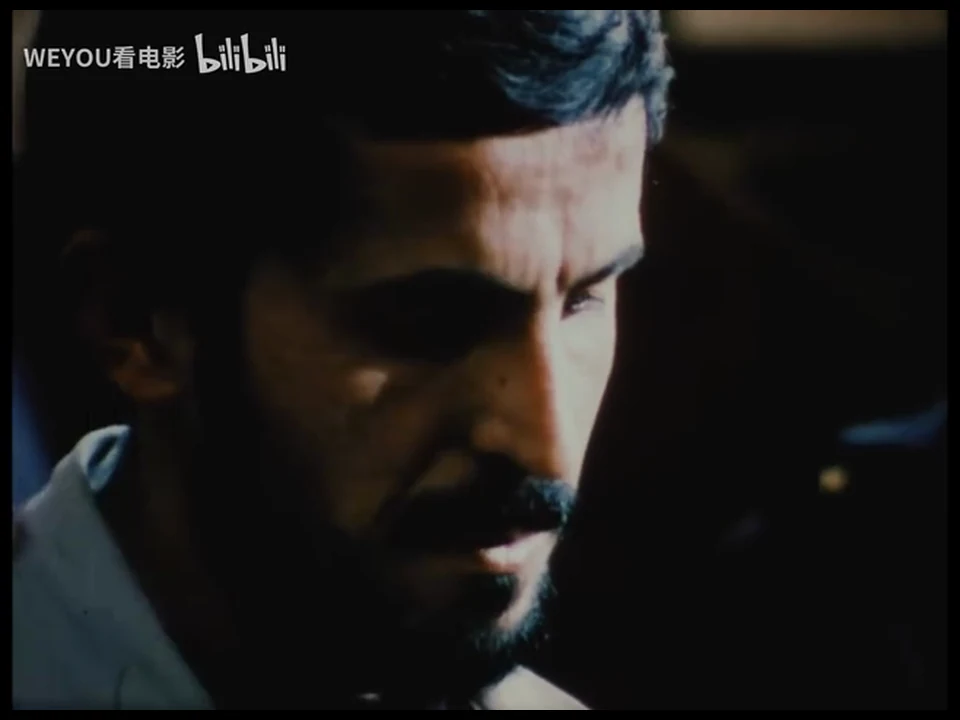 00:54:30
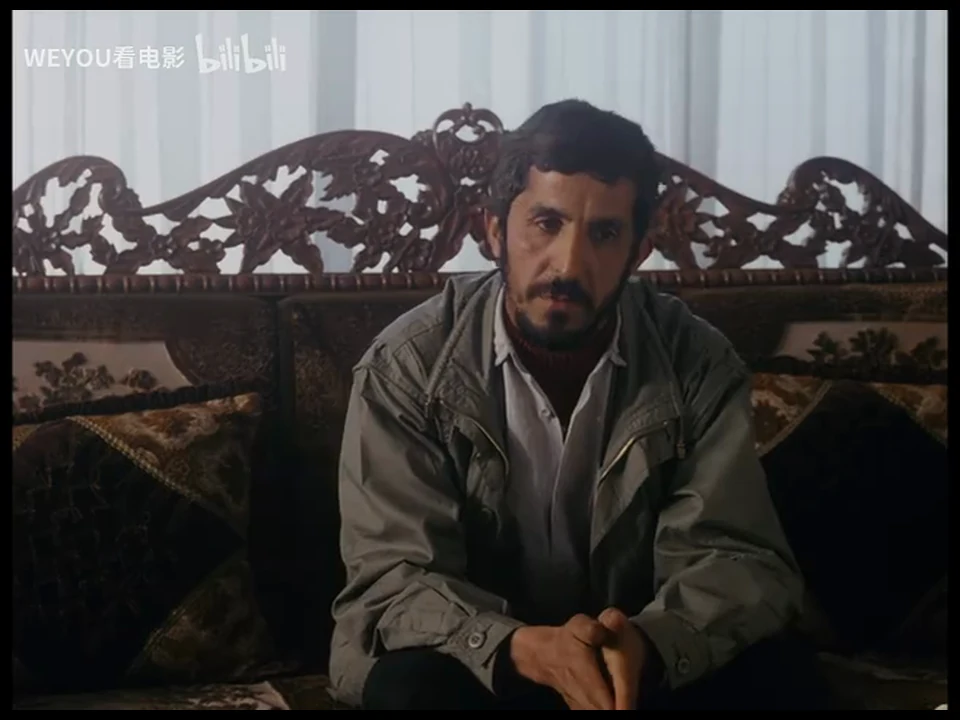 01:04:30
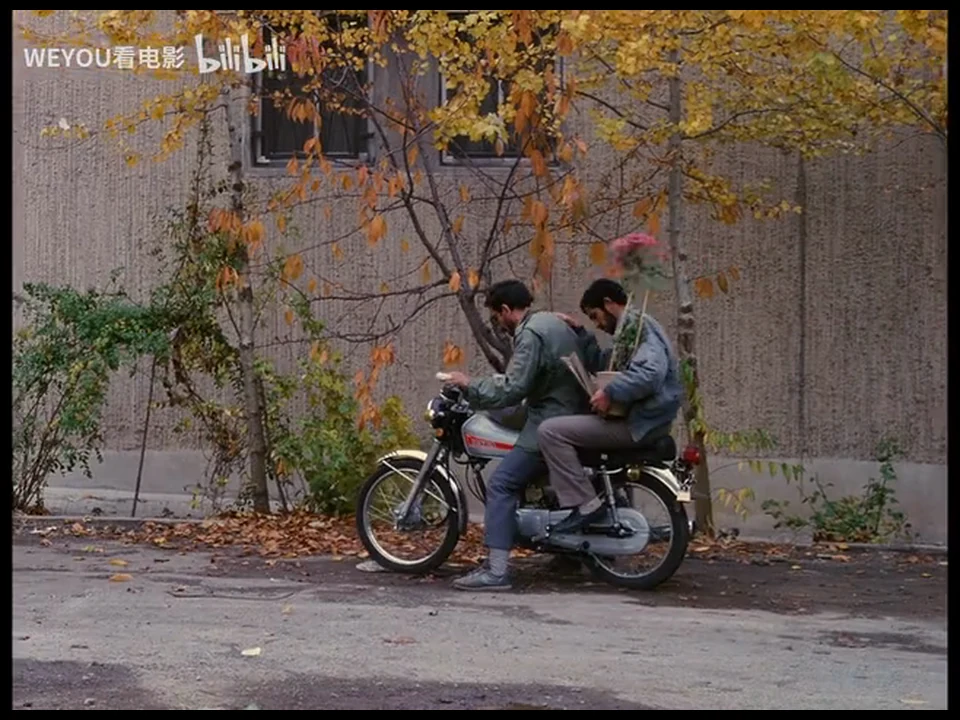 01:34:00
- 01A chance object interrupts inquiry
As the reporter accompanies police to the Ahankhah home to arrest Sabzian, an aerosol can rolls down the street and the camera leaves people and testimony.
‘Finding truth’ no longer monopolizes the image; chance reality retains force of its own. - 02Participants perform themselves
Direct address in court intersects with reenactment of the first visit; Sabzian is defendant, actor, and author.
True and false identities lose a single tribunal and enter a productive series. - 03Technical gap keeps the ending open
Sound repeatedly fails during Sabzian’s motorcycle meeting with Makhmalbaf.
Reconciliation is arranged and accidental; incomplete sound refuses to certify a final real.
Close-reading questions
- 01As the reporter and police enter the Ahankhah home, the camera stays outside to follow a rolling aerosol can; how does this departure from the newsworthy event first unsettle documentary's centre?
- 02During the trial, Sabzian explains to the camera why he impersonated Makhmalbaf; when does testimony shift from answering the judge to an accused man actively composing his own image?
- 03Sabzian and Makhmalbaf reenact their meeting and ride to the Ahankhah home as faulty sound breaks their speech; how does technical damage make the arranged reconciliation appear at once as real encounter and cinematic performance?
Analysis and scene sources
Shots and scenes
Primary texts, scholarship, and locators
Theory coordinate: Atlas analysis; theoretical basis: Cinema 2, Minnesota 1989, ch. 6, pp. 143–155; ch. 7, pp. 156–157
- 01Cinema 2: The Time-Image
Authoritative source for the standard translation, translators, ISBN, and publication date.
Open the atlas source record →
This film in books and research
Gilles Deleuze : cinéma et philosophie · Atlas analysis
Close-Up
Marrati pp. 111–118 · site test
Film relation: This site tests Close-Up through Marrati's account of life-choice, relation to the world, and a missing people: Sabzian is at once defendant, performer, and a person rearranging his relations through cinema.
Shot question: How do courtroom address, reenactment by the participants, and the final motorcycle encounter successively alter who may speak for the real? Why does damaged sound prevent reconciliation from becoming a final verdict?
Conclusion: The film appoints no final judge between true and false; lie, performance, and technical rupture jointly produce a new real relation.
Viewing gateways and editions
- Verified complete Bilibili carrier: 阿巴斯·基亚罗斯塔米 高分电影【特写 (1990)】中文字幕bilibili.comOpen film page ↗
- Page access
- Accessible when checked
- Version extent
- Recorded as a complete version
- Source type
- User-uploaded page
Edition note: Chinese subtitles · complete single-part film · 1:38:00.
Link checked: 2026-08-14
- Criterion Collectioncriterion.comOpen film page ↗
- Source type
- Distributor or streaming platform