Fact
What is actually visible in the image and audible on the track.
Wandering in Germany Year Zero, the Pompeii casts in Journey to Italy, and song and gaze in Tropical Malady open different questions about action, time, sound, and image. Each still links to the scene analysis and its video timecode.
What is actually visible in the image and audible on the track.
Whether relations among character, space, or institution change after the act.
How past, present, waiting, or sound exceeds the duration of a task.
State why the concept holds and which evidence would undo it.
Open a still for the passage and audiovisual analysis. Timecodes refer to the viewing edition listed in each entry.
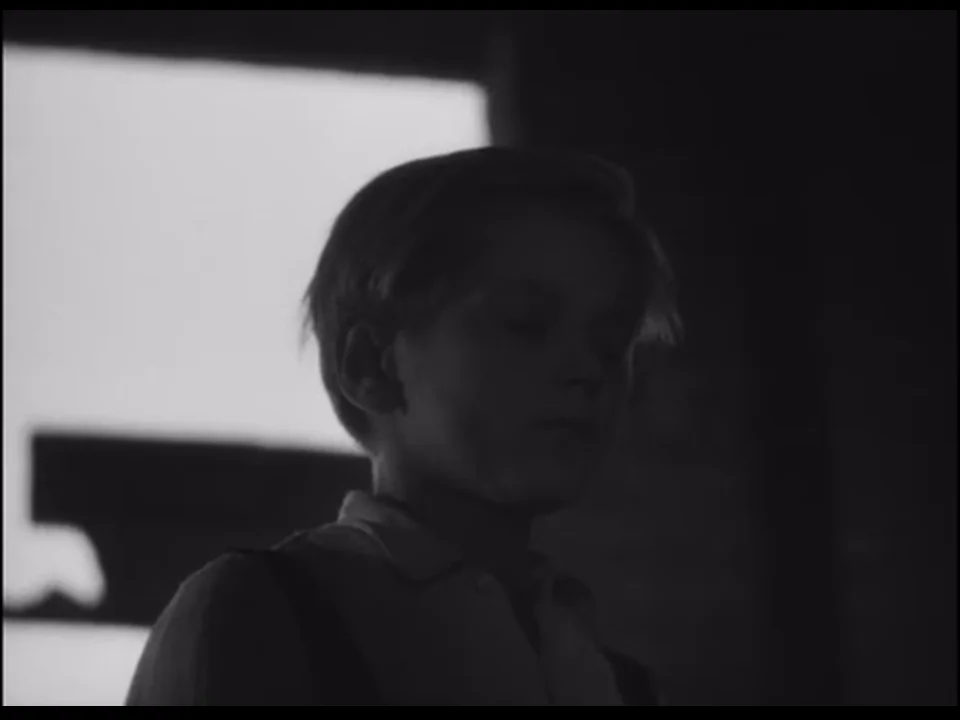
Action Walking, stopping, looking, picking up, and climbing no longer compose a plan capable of repairing the father's death or restoring family relations; the fall brings this rupture in action to its endpoint.
Time Once action-goals recede, each pause prolongs the city's present; wartime destruction and the immediate consequence of his act press together upon what is seen.
Criterion Wandering must let space and sound endure beyond route-finding and turn the child's motor helplessness into intensified seeing; the finale satisfies both conditions.
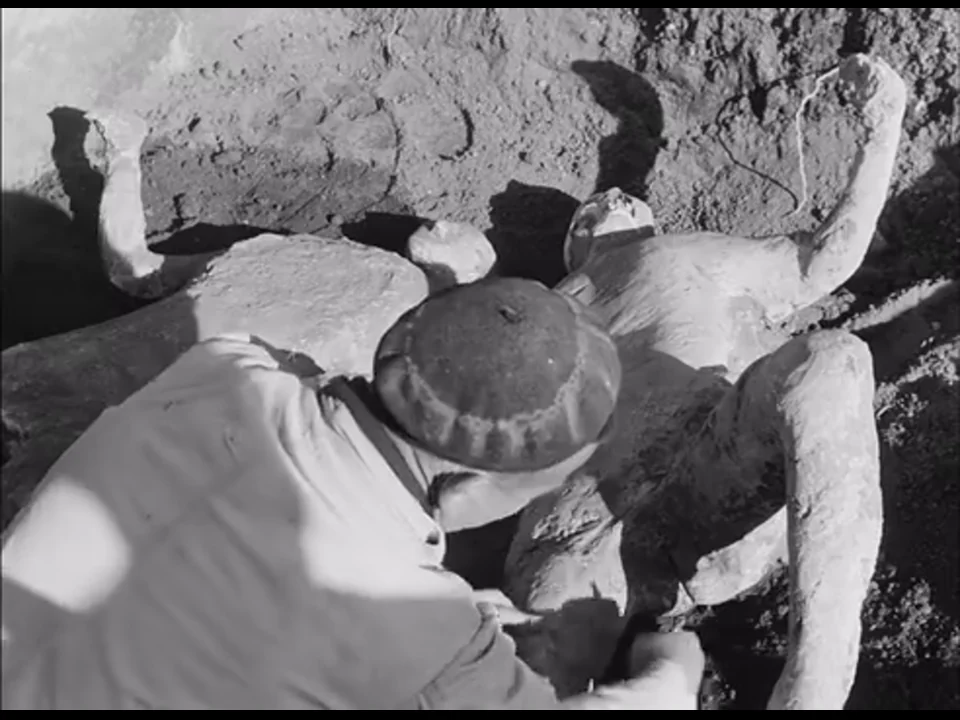
Action The archaeological procedure completes its task precisely, yet successful operation does not relieve the sight; Katherine's only available action is to leave.
Time Death appears not as historical explanation but gains a present surface through the cavity a body left and the newly poured plaster.
Criterion Technical reconstruction's success and sensory-motor response's failure must both remain visible; neither the bodies nor the couple alone is sufficient.
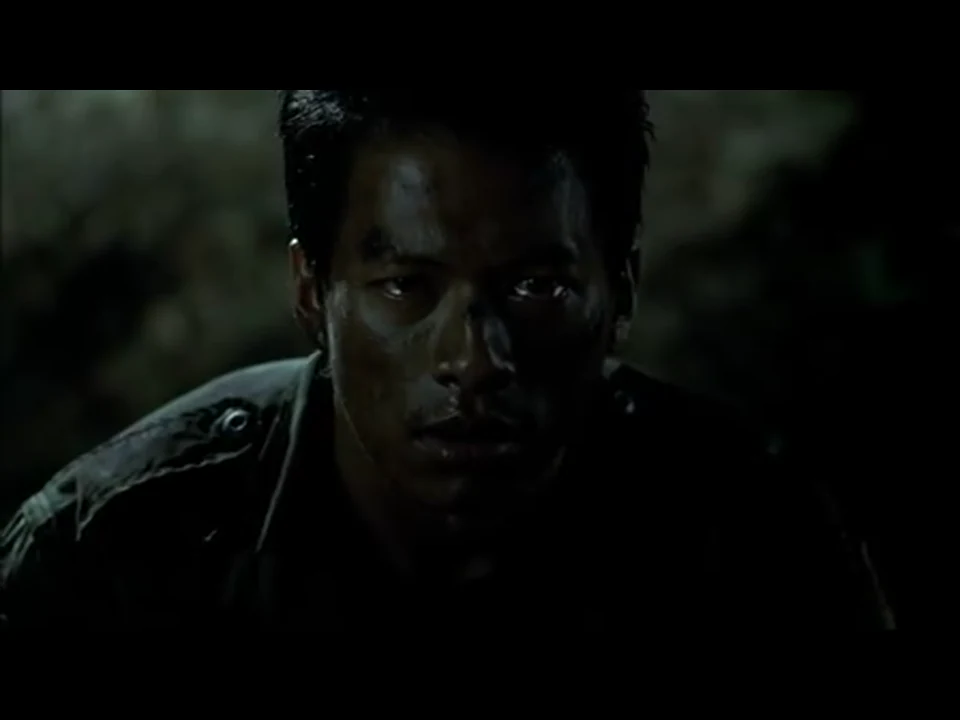
Action The hunt concludes not with a kill but by changing the relation through an offering of body and memory.
Time 'Our song' renders individual memory as a shared time persisting in blood, sound, and forest.
Criterion Voice, painting, and gaze must jointly make predation more than one-way; if the ending merely confirmed victor and victim, this reciprocal relation would not hold.
The film atlas establishes scope, research level, and access; the scene library handles stills, timecodes, and relations; the visual-evidence atlas compares arguments across films.