CONCEPT ATLAS / CONCEPTS ARE NOT LABELS

From sensory-motor rupture to the image that forces thought

18 concepts form a testable toolkit rather than a labelling dictionary. Each entry preserves the French original, English key, bilingual definition, shot-level test, and common error.

Suggested reading route—not a logical sequence or historical chronology: sensory-motor schema → opsign/sonsign → actual/virtual → crystal → chronosign → interstice → thought
First reject three shortcuts

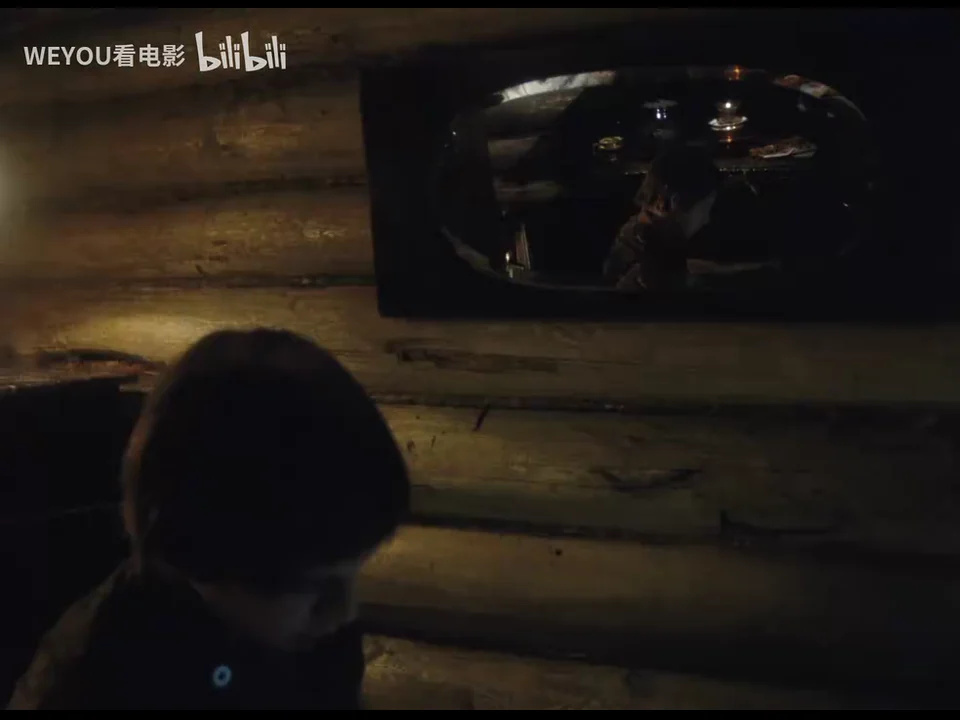
Slowness is not the time-image; flashback is not a sheet of the past; mirror composition is not the crystal-image. The criterion lies in relations among images.

CONCEPT ↔ TERM ↔ CORPUS

Concepts test relations; the glossary explains translation; the corpus index returns to specific Chinese pages

Why this translationOpen Chinese corpusCheck formal sources
AOPSIGN / SONSIGNoptical/sound leave action
BHYALOSIGNactual ↔ virtual
CCHRONOSIGN / GENESIGNbranches of order and series
DNOOSIGNimage forces thought
ELECTOSIGNimage must be read
E1 · EDITORIAL INDEX

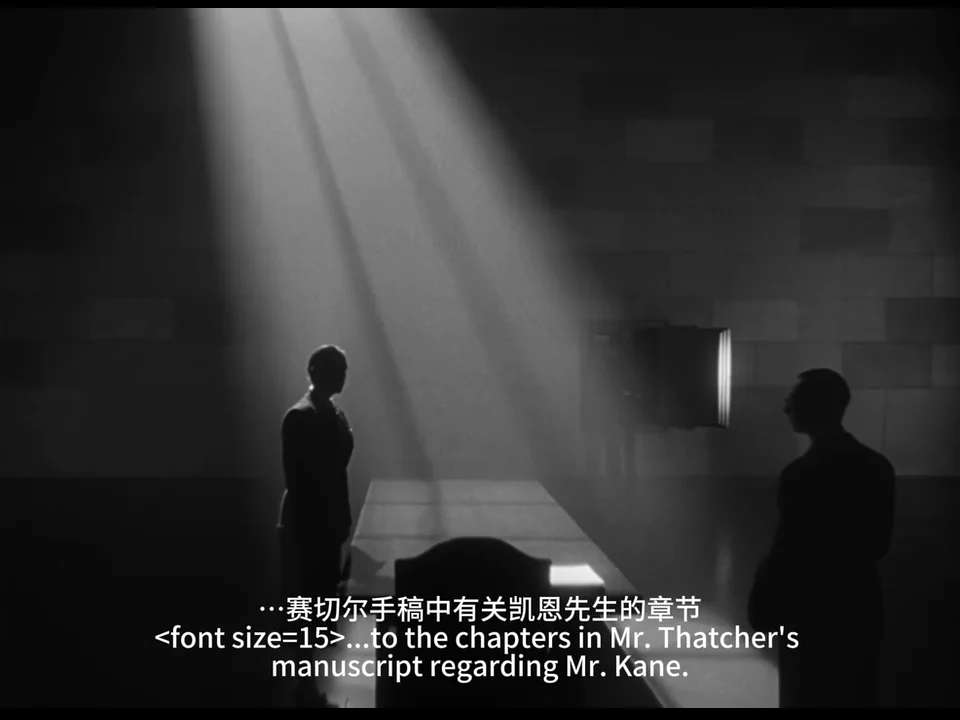
These are five adjacent search gateways without arrows implying linear ascent. The surpassed status of mnemosign/onirosign, the side-branch position of tactisign, and the order/series branch of the time-sign are shown in the full relation map.

Open the conclusion sign constellation
A
INTERPRETIVE MODEL / DAVID DEAMER

Three syntheses × nine signs

This is David Deamer’s structural reconstruction—not a hidden diagram left by Deleuze and not a field consensus. It is illuminating, but remains a hypothesis.

PASTPRESENTFUTURE
First passive synthesis: habithyalosign
Past of the present / retentionLimpid and opaque
Living presentMutual mirrors
Future of the present / expectationSeed and environment
Second passive synthesis: memorychronosign
Pure pastSheets of the past
Present of the past / destinyPeaks of the present
Future of the past / reminiscencePowers of the false
Third passive synthesis: caesuranoosign
Past of the future / experienceBody of attitude
Present of the future / metamorphosisBody of gestus
Empty futureBrain
Read Deamer’s peer-reviewed article
B
SEARCH / FILTER / CROSS-READ

Concept lexicon

Search French, English, Chinese, or definitions; expand each entry for shot-level tests, counterexamples, and sources.

18 concepts

00
Methodological baseline

Movement-image

image-mouvementmovement-image

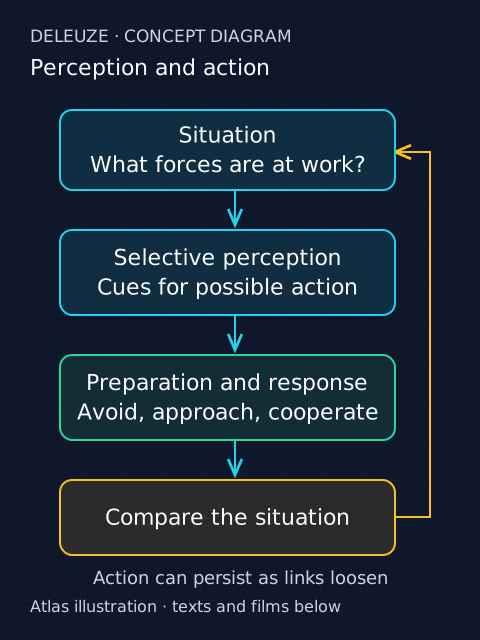
Movement organizes the image through a sensory-motor chain: perception leads to affection, affection to action, and action transforms a situation. Time appears primarily through movement and montage.

View translation, variants & edition evidence
Analytical test & common error
Test

What does the character perceive, and does it become an executable action?

Avoid

It is not a synonym for old cinema, nor does it disappear when the time-image emerges.

Source

Cinema 1; Cinema 2, ch. 1–2

01
Rupture & threshold

Sensory-motor schema

schème sensori-moteursensory-motor schema

The body-world structure that links perception, affection, and action into an effective circuit. Its crisis is not mere stillness but the failure of perception to lead naturally to an action capable of resolving the situation.

View translation, variants & edition evidence
Analytical test & common error
Test

Can action still repair the situation, or does it expose its own impotence?

Avoid

Silence, waiting, or slowness alone do not prove that the schema has broken.

Source

Cinema 2, ch. 1

02
Rupture & threshold

Pure optical / sound situation

opsigne / sonsigneopsign / sonsign

Sound and image cease to function merely as cues for action or narration and acquire autonomous density. The character becomes a seer or witness, reaching a threshold condition of the time-image.

View translation, variants & edition evidence
Analytical test & common error
Test

Can action use up this sound or image? If not, what does it compel us to notice?

Avoid

Opsigns and sonsigns are a threshold, not the whole time-image.

Source

Cinema 2, ch. 1–2

03
Rupture & threshold

The seer

voyantseer / voyant

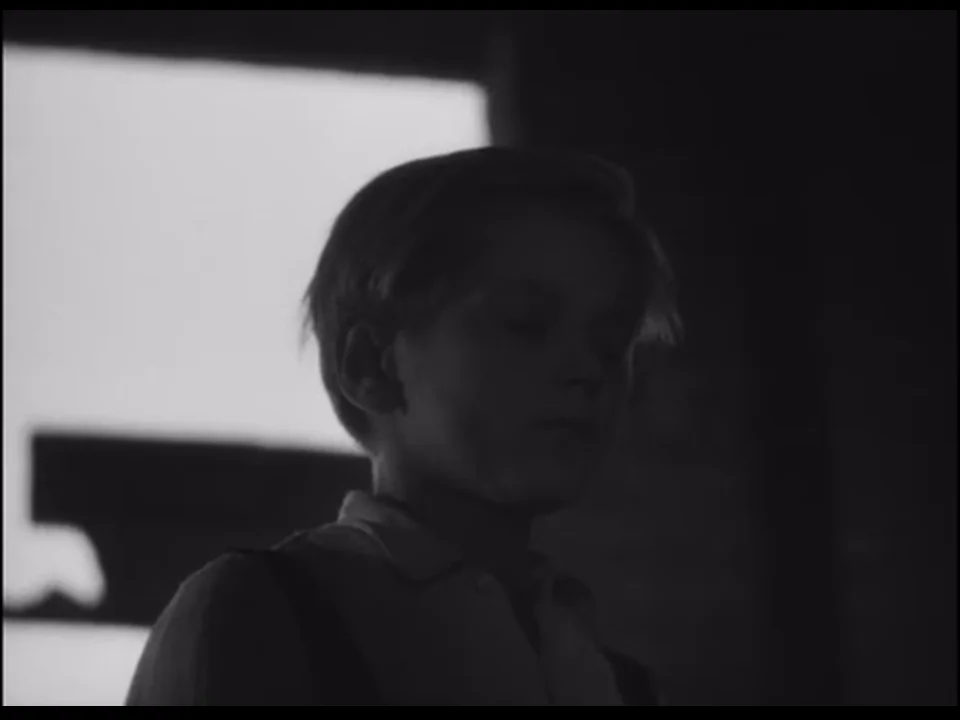
The agent loses mastery over the situation and sees what habitual action concealed. The seer is not a passive spectator but a body struck by something too strong, too beautiful, terrible, or intolerable.

View translation, variants & edition evidence
Analytical test & common error
Test

Does the character’s inability to act produce a more powerful seeing?

Avoid

The seer is not a psychological label for a character who simply stares.

Source

Cinema 2, ch. 1

04
Rupture & threshold

Any-space-whatever

espace quelconqueany-space-whatever

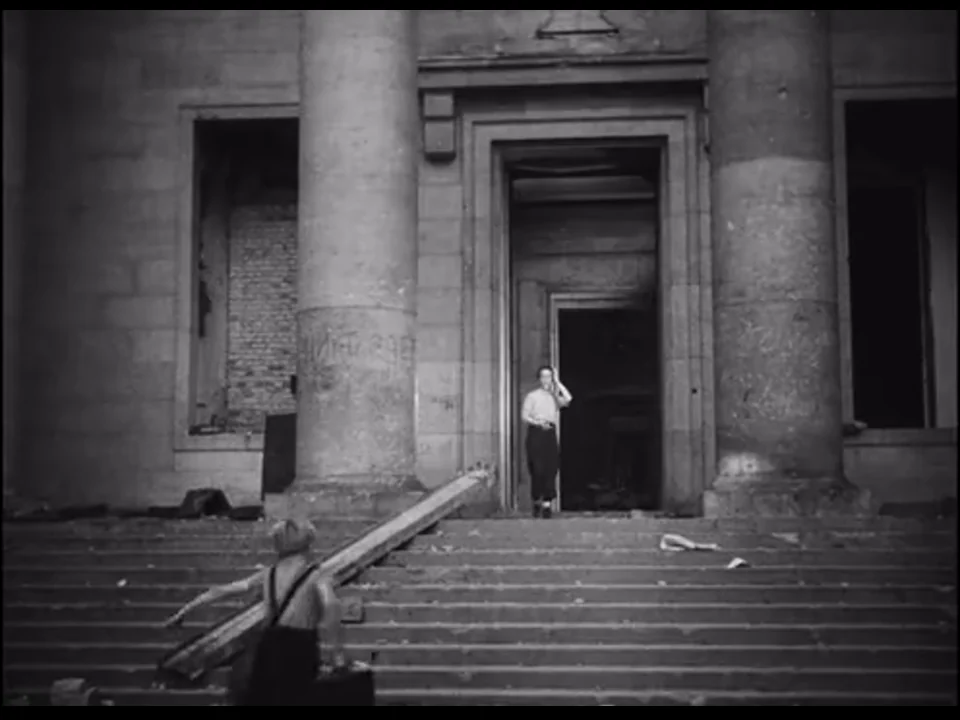
A space stripped of stable coordinates, total continuity, and practical use: ruins, empty lots, fractured streets, waiting rooms, or virtual spaces built from light, colour, and fragments. Relations can be recomposed within it.

View translation, variants & edition evidence
Analytical test & common error
Test

Does the space contain action, or dissolve the coordinates action requires?

Avoid

An empty shot or ruined setting is insufficient; what matters is the despecification of spatial relations.

Source

Cinema 1, ch. 7; Cinema 2, ch. 1

05
Crystal & virtuality

Actual / virtual

actuel / virtuelactual / virtual

The actual is what has been actualized; the virtual consists of differential relations, memories, and tendencies that are not actual yet remain fully real and operative. It is not a possible awaiting realization, nor are the two truth versus falsity: they are two states of the real.

View translation, variants & edition evidence
Analytical test & common error
Test

Which absent yet operative pasts, relations, or tendencies does the present image open?

Avoid

Virtual does not mean false, digital virtual reality, subjective fantasy, or a preformed possible.

Source

Cinema 2, ch. 4; Bergson, Matter and Memory

06
Crystal & virtuality

Crystal-image

image-cristal / hyalosignecrystal-image / hyalosign

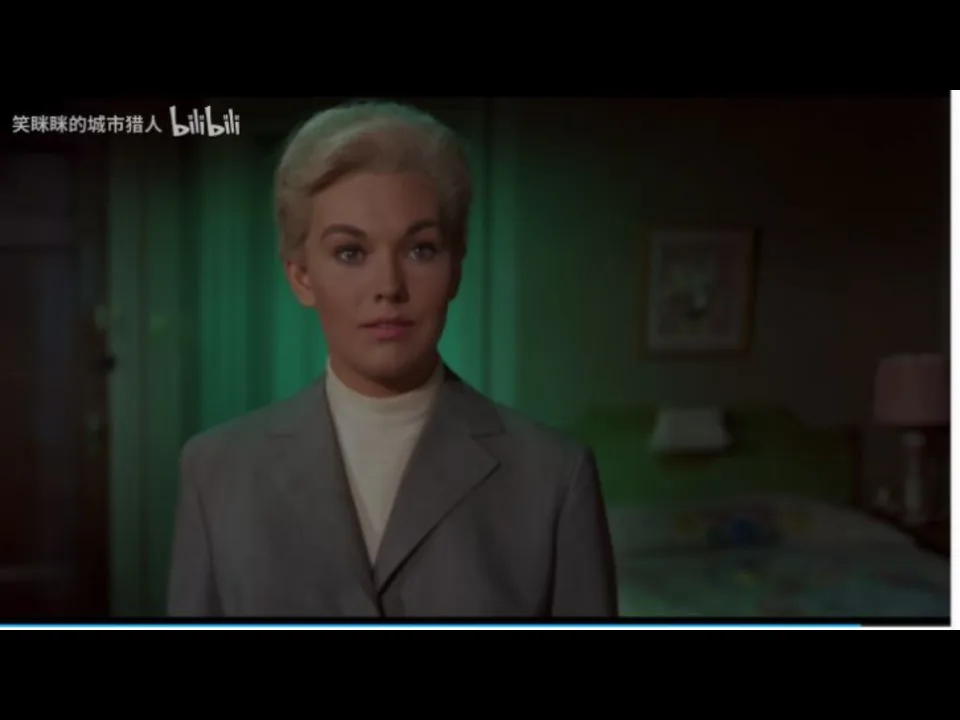
An actual image and its virtual image form the smallest circuit: two faces differentiate, pursue, and exchange with one another until they become indiscernible without becoming identical. The circuit lets us see the present split into an actual present and a coexisting virtual past.

View translation, variants & edition evidence
Analytical test & common error
Test

Does the reflection, performance, memory, or copy genuinely transform the supposedly original side?

Avoid

A mirror does not automatically make a crystal-image; reciprocal exchange between actual and virtual is decisive. Nor is the crystal-image identical with the direct time-image: it is the condition through which the latter can be grasped.

Source

Cinema 2, ch. 4

07
Crystal & virtuality

Limpid and opaque

limpide et opaquelimpid and opaque

As one face of the crystal becomes a clear actual image, the other recedes into opaque virtuality; then the two exchange. Visibility is relational, not guaranteed by a final truth.

Analytical test & common error
Test

Which face is momentarily clear, how does it darken the other, and where do they reverse?

Avoid

It is not merely a contrast of lighting.

Source

Cinema 2, ch. 4; Deamer, 2016

08
Crystal & virtuality

Seed and environment

germe et milieuseed and environment

A seed triggers crystallization within an as-yet amorphous environment, while that environment must itself possess a virtual crystalline structure. Seed and milieu reciprocally individuate one another, making the crystal a world in formation rather than a reflection.

Analytical test & common error
Test

What world is a local form crystallizing, and how does that world act back upon it?

Avoid

Do not reduce it to a symbol in which the small merely represents the large.

Source

Cinema 2, ch. 4; Deamer, 2016

09
Direct time & narration

Sheets of the past

nappes de passésheets of the past

The past is not a queue of vanished events but coexisting planes at different degrees of contraction. Recollection selects a sheet from the whole past rather than returning to a former present.

View translation, variants & edition evidence
Analytical test & common error
Test

Does the film sequence past events, or move among coexisting layers of the past?

Avoid

A flashback that merely supplies causal information may remain within the movement-image.

Source

Cinema 2, ch. 5; Bergson, Matter and Memory

10
Direct time & narration

Peaks of the present

pointes de présentpeaks / points of the present

Several presents each hold, yet are incompossible with one another. The image no longer requires them to belong to a single continuous and decidable present.

View translation, variants & edition evidence
Analytical test & common error
Test

Are these presents successive, or individually real yet unable to share one world?

Avoid

Parallel narration alone does not necessarily create peaks of the present.

Source

Cinema 2, ch. 5

11
Direct time & narration

Chronosign

chronosignechronosign

Temporal relations themselves become signs: sheets of past, peaks of present, and series of time cease to be governed by continuity of action. This is the narrative dimension of the direct time-image.

View translation, variants & edition evidence
Analytical test & common error
Test

If the action-goal is removed, what temporal relation still connects the images?

Avoid

Do not confuse the chronosign with a general theme of time.

Source

Cinema 2, ch. 5–6

12
Thought, body & reading

Irrational cut / interstice

coupure irrationnelle / intersticeirrational cut / interstice

Shots, sounds, and images are no longer joined by deducible continuity. The cut becomes an irreducible interval between series. Thought does not bridge the gap; it is forced to happen within it.

View translation, variants & edition evidence
Analytical test & common error
Test

Does this cut conceal an ellipsis, or produce a relation that cannot be completed?

Avoid

Jump cuts, displaced sound, or discontinuity are only technical surfaces.

Source

Cinema 2, ch. 7–9

13
Direct time & narration

Powers of the false

puissances du fauxpowers of the false

Narration abandons a recoverable model of truth and lets characters, testimonies, memories, and worlds mutate through a series of falsifiers. The false gains creative power by freeing itself from a model of truth.

View translation, variants & edition evidence
Analytical test & common error
Test

Does the film expose a lie to restore truth, or alter the rules by which truth and falsity are produced?

Avoid

It does not mean that there is no truth, everything is false, or the narrator is merely unreliable.

Source

Cinema 2, ch. 6; Cinema seminar 1983–84

14
Direct time & narration

Falsifying narration

narration falsifiantefalsifying narration

Characters and narrative positions are no longer calibrated by an omniscient centre. Each falsifier refers to another, while identity and past mutate according to degrees of power.

View translation, variants & edition evidence
Analytical test & common error
Test

Who can adjudicate among versions, and is that position itself drawn into the series of falsifiers?

Avoid

A twist ending may still serve a final truth.

Source

Cinema 2, ch. 6

15
Thought, body & reading

Noosign

noosignenoosign

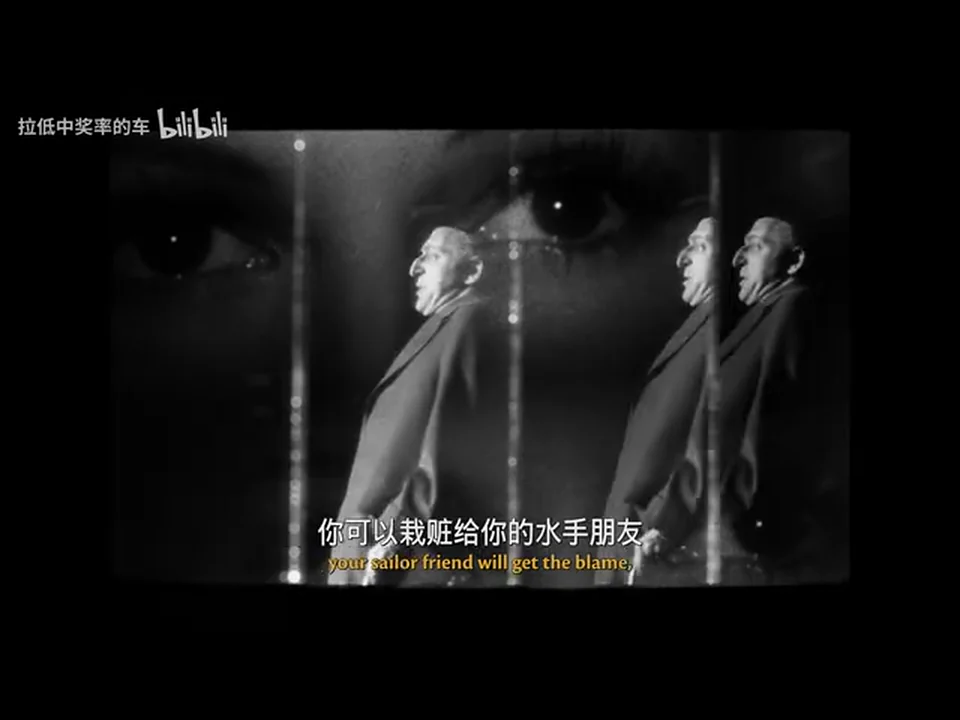
The image no longer represents thoughts already possessed by a character. Bodies, attitudes, ceremonies, audio-visual disjunctions, and brain-like mise-en-scène undo habitual images of thought and force thinking.

View translation, variants & edition evidence
Analytical test & common error
Test

Is thought explained in dialogue, or forced by an image-relation that resists immediate comprehension?

Avoid

Complex dialogue or philosophical subject matter does not automatically constitute a noosign.

Source

Cinema 2, ch. 7–8

16
Thought, body & reading

Body / brain

corps / cerveaubody / brain

Everyday attitudes and gestus sediment time in the body; cinema of the brain turns space, light, colour, and connection into a map of thought. Body and brain are not opposing paths but cinematic mechanisms that make thought happen.

Analytical test & common error
Test

How is time embodied through fatigue, waiting, ceremony, or spatial connection?

Avoid

The brain is the screen is not a metaphor equating cinema with neuroscience imagery.

Source

Cinema 2, ch. 8

17
Thought, body & reading

Lectosign

lectosignelectosign

The time-image tends toward an image that must be read: picture, sound, text, data, and invisible relations form strata. Viewing becomes an ongoing work of comparison, recomposition, and concept formation.

View translation, variants & edition evidence
Analytical test & common error
Test

Beyond showing objects, which invisible relations does the image ask you to read?

Avoid

Text appearing on screen does not by itself make a lectosign.

Source

Cinema 2, ch. 9