Concept definition
The agent loses mastery over the situation and sees what habitual action concealed. The seer is a body struck by something too strong, too beautiful, terrible, or intolerable.
What the concept explains
The seer is not simply a person who lacks agency but a body exposed to something too strong, beautiful, terrible, or intolerable when habitual response fails. Inability gains conceptual force only when it produces a seeing previously concealed by action.
Sensory-Motor Rupture: How a Character Becomes a SeerDiagrams and film passages
Germany Year Zero
Germania anno zero (1948)
Supported by the scene
Final wandering and the sight too much to bear
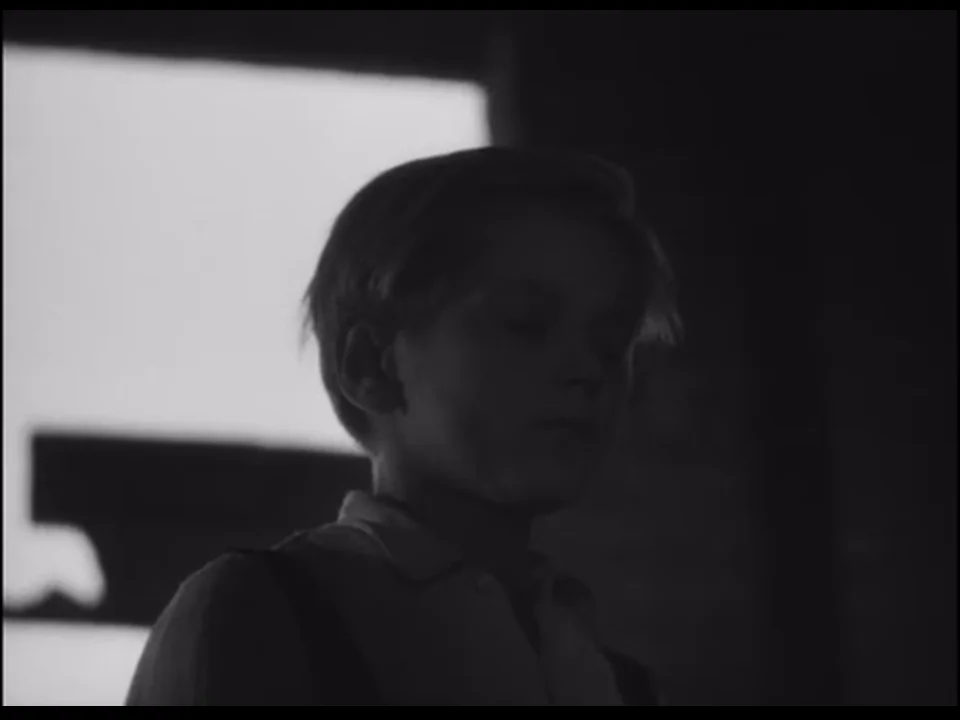
The long wandering turns streets, church, ruined buildings, traffic, and children's play from usable action-space into a city layer that must be watched. Bilibili timecode 01:12:18.
Open full-size still- Displayed still
- 01:12:18
- Discussion passage
- 01:05:01 - 01:12:44
Frame-checked against the single-part Bilibili repost stream BV1hP4y1k78i: the page API reports 4,388 seconds and the retrieved qn16 media runs 4,387.37 seconds. Bilibili supplies no subtitle track; audible facts record only clearly discernible German speech, music, and ambient sound in the image sequence.
Complete single-part Bilibili film; the page and anonymous Player API were verified as playable. Bilibili submission label: repost.
Still checked: 2026-08-13 · Carrier access checked: 2026-08-13
Image
Edmund crosses streets and broken walls alone, pauses outside a church, and enters a building without intact walls.
He watches children playing, vehicles, and the street below, repeatedly touches debris and architectural fragments; after climbing upward, he falls from the building, and a woman in the street approaches his body.
Sound
The long passage is formed mainly by sustained orchestral music, traffic, distant children's voices, and urban ambience; Edmund speaks almost no dialogue.
Relation to the concept
Place motor helplessness and the compelled capacity to see more within the same relation.
Sources and further reading
- Cinema 2: The Time-Image
Minnesota 1989 translation: Preface, p. xi; ch. 1, p. 2. 2004 Simplified Chinese edition: ch. 1, p. 3. · Brief primary-text mention: Deleuze uses the child in Germany Year Zero to connect motor helplessness with a greater capacity to see and hear. Preface p. x and the chapter's following passages are adjacent conceptual context, not direct pages on the film; the scene windows, facts, and criteria are this atlas's shot analysis.
- Bilibili · La-Jeunesse- · public repost page
01:12:18 · The long wandering turns streets, church, ruined buildings, traffic, and children's play from usable action-space into a city layer that must be watched. Bilibili timecode 01:12:18.
Journey to Italy
Viaggio in Italia (1954)
Supported by the scene
Monumental bodies reduce the tourist to a seer
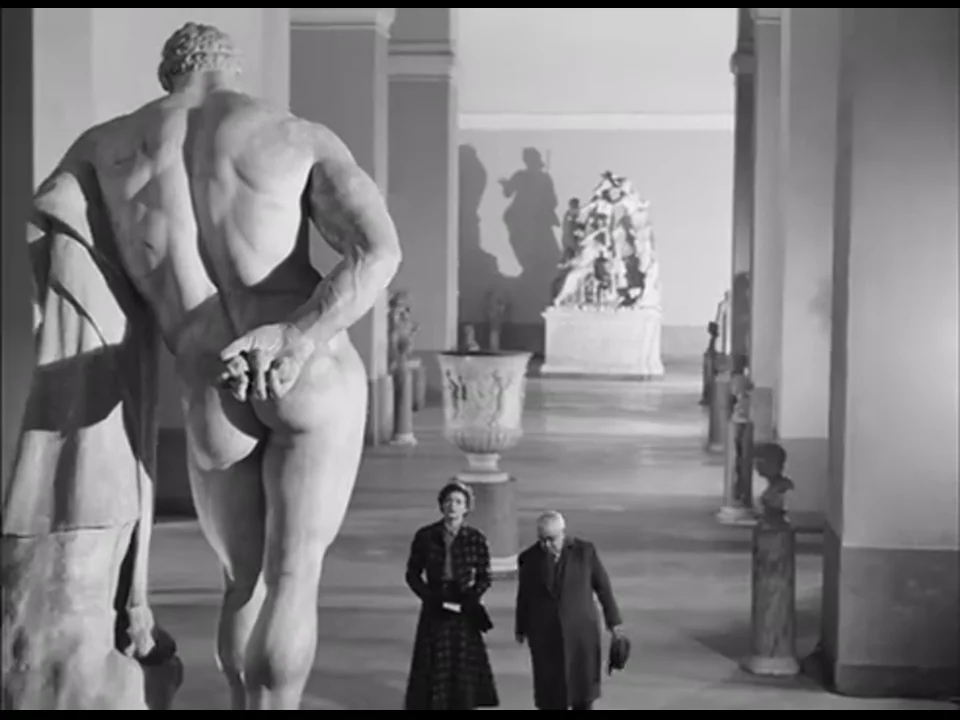
Ancient bodies overtake the tourist itinerary through scale, weight, and serial cutting. Bilibili timecode 00:30:25.
Open full-size still- Displayed still
- 00:30:25
- Discussion passage
- 00:27:27 - 00:31:09
Frame-checked against the single-part Bilibili repost stream BV1h5MVzfEdW: the page API reports 5,141 seconds, while the retrieved qn16 media runs 5,140.78 seconds at 492×360. Player v2 supplies no usable subtitle track; English dialogue sense was aligned by scene content with an English SDH subtitle file from the Criterion Blu-ray. Every timecode follows the Bilibili carrier.
Complete single-part film on Bilibili; the page, anonymous Player API, media bytes, and full 5,140.78-second duration were verified. Submission label: repost.
Still checked: 2026-08-13 · Carrier access checked: 2026-08-13
Image
Katherine follows a guide through the galleries as dancers, a satyr, the drunken faun, imperial heads, and monumental nudes successively occupy the image.
Close views of statues alternate with close views of Katherine's face; she stops, looks up, and looks back without touching the objects.
Sound
The guide continuously names works, excavation sites, and biographical anecdotes in English; his voice repeatedly carries over close views of the statues.
Footsteps and gallery reverberation remain beneath the commentary, with no score closing Katherine's responses into a single emotion.
Relation to the concept
She shifts from a tourist mastering information to a seer repeatedly struck by the exhibits.
Sources and further reading
- Cinema 2: The Time-Image
Minnesota 1989 translation: ch. 1, p. 2 (listed as The Lonely Woman [Viaggio in Italia]). · Brief primary-text mention: on this page Deleuze includes Katherine among female tourists struck by unfolding images and visual clichés; the fuller argument for the turn from agent to seer comes from the surrounding chapter. This site analyzes each scene window, audio-visual fact, and criterion shot by shot.
- Bilibili · Steppenwolffff · public repost page
00:30:25 · Ancient bodies overtake the tourist itinerary through scale, weight, and serial cutting. Bilibili timecode 00:30:25.
Journey to Italy
Viaggio in Italia (1954)
Supported by the scene
Pregnant bodies recur beyond the windshield
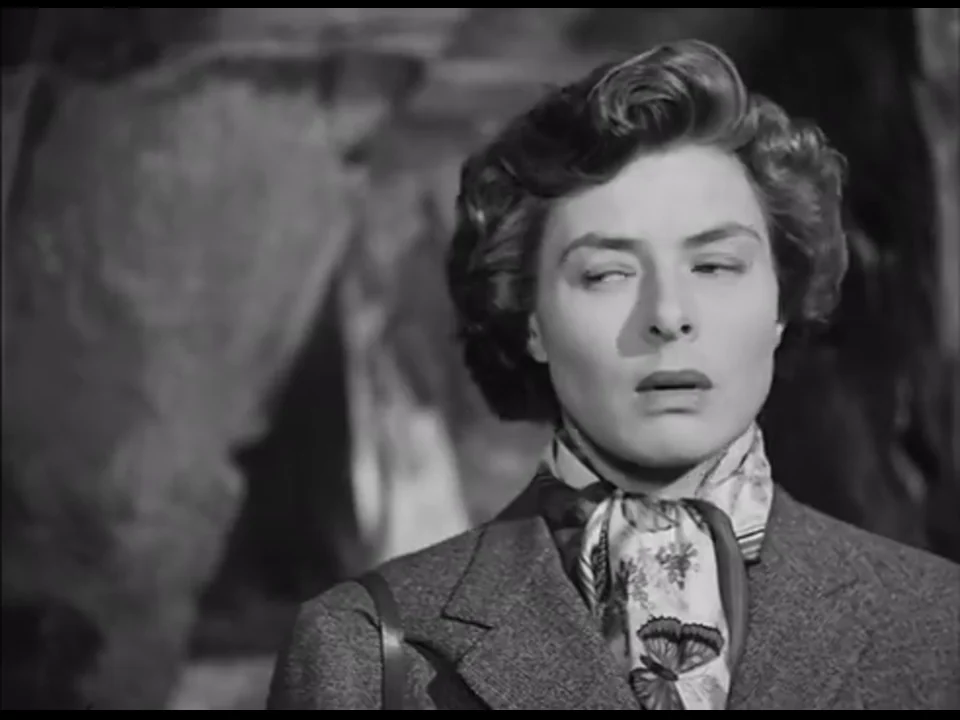
The car continues forward while pregnant bodies repeatedly interrupt Katherine's monologue on her marriage. Bilibili timecode 00:41:40.
Open full-size still- Displayed still
- 00:41:40
- Discussion passage
- 00:40:22 - 00:41:57
Frame-checked against the single-part Bilibili repost stream BV1h5MVzfEdW: the page API reports 5,141 seconds, while the retrieved qn16 media runs 5,140.78 seconds at 492×360. Player v2 supplies no usable subtitle track; English dialogue sense was aligned by scene content with an English SDH subtitle file from the Criterion Blu-ray. Every timecode follows the Bilibili carrier.
Complete single-part film on Bilibili; the page, anonymous Player API, media bytes, and full 5,140.78-second duration were verified. Submission label: repost.
Still checked: 2026-08-13 · Carrier access checked: 2026-08-13
Image
Katherine drives alone; frontal close-ups of her at the wheel alternate with moving views of pedestrians along the street.
Several visibly pregnant women appear in succession, and the film repeatedly cuts back to Katherine's eyes and face.
Sound
Engine and street noise continue while Katherine voices her anger toward Alex in English; the speech does not instruct her to stop or change course.
Relation to the concept
She continues driving yet is compelled to become a viewer within the action itself.
Sources and further reading
- Cinema 2: The Time-Image
Minnesota 1989 translation: ch. 1, p. 2 (listed as The Lonely Woman [Viaggio in Italia]). · Brief primary-text mention: on this page Deleuze includes Katherine among female tourists struck by unfolding images and visual clichés; the fuller argument for the turn from agent to seer comes from the surrounding chapter. This site analyzes each scene window, audio-visual fact, and criterion shot by shot.
- Bilibili · Steppenwolffff · public repost page
00:41:40 · The car continues forward while pregnant bodies repeatedly interrupt Katherine's monologue on her marriage. Bilibili timecode 00:41:40.
Journey to Italy
Viaggio in Italia (1954)
Supported by the scene
Echo detaches the Sibyl's chamber from the tour
The cave places the guide's voice, echo, prophetic legend, and Katherine's marital question within one acoustic field. Bilibili timecode 00:43:20.
Open full-size still- Displayed still
- 00:43:20
- Discussion passage
- 00:42:00 - 00:45:08
Frame-checked against the single-part Bilibili repost stream BV1h5MVzfEdW: the page API reports 5,141 seconds, while the retrieved qn16 media runs 5,140.78 seconds at 492×360. Player v2 supplies no usable subtitle track; English dialogue sense was aligned by scene content with an English SDH subtitle file from the Criterion Blu-ray. Every timecode follows the Bilibili carrier.
Complete single-part film on Bilibili; the page, anonymous Player API, media bytes, and full 5,140.78-second duration were verified. Submission label: repost.
Still checked: 2026-08-13 · Carrier access checked: 2026-08-13
Image
A guide leads Katherine into a high, narrowing trapezoidal passage; their bodies diminish in depth while stone walls dominate the frame.
The film cuts among the empty passage, the guide, and Katherine's face; she repeatedly stops instead of following closely.
Sound
The guide asks her to listen to the echo and calls out; the call returns from the stone chamber.
The guide explains that lovers once came to ask the course of their love; Katherine then speaks Homer's verse, while footsteps, commentary, and echo remain distinct.
Relation to the concept
She stops treating the site as mastered knowledge and begins bearing the voices that return within it.
Sources and further reading
- Cinema 2: The Time-Image
Minnesota 1989 translation: ch. 1, p. 2 (listed as The Lonely Woman [Viaggio in Italia]). · Brief primary-text mention: on this page Deleuze includes Katherine among female tourists struck by unfolding images and visual clichés; the fuller argument for the turn from agent to seer comes from the surrounding chapter. This site analyzes each scene window, audio-visual fact, and criterion shot by shot.
- Bilibili · Steppenwolffff · public repost page
00:43:20 · The cave places the guide's voice, echo, prophetic legend, and Katherine's marital question within one acoustic field. Bilibili timecode 00:43:20.
Journey to Italy
Viaggio in Italia (1954)
Supported by the scene
Steam repeatedly erases ground and body
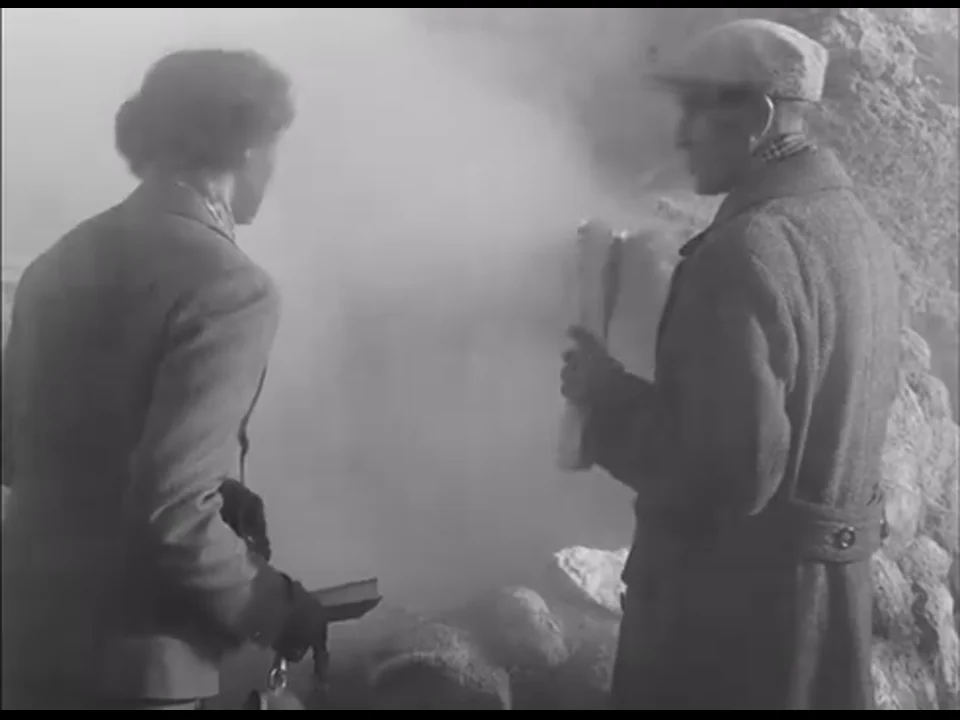
The explanation continues while steam repeatedly withdraws the visibility of ground and figures. Bilibili timecode 00:52:00.
Open full-size still- Displayed still
- 00:52:00
- Discussion passage
- 00:49:27 - 00:52:38
Frame-checked against the single-part Bilibili repost stream BV1h5MVzfEdW: the page API reports 5,141 seconds, while the retrieved qn16 media runs 5,140.78 seconds at 492×360. Player v2 supplies no usable subtitle track; English dialogue sense was aligned by scene content with an English SDH subtitle file from the Criterion Blu-ray. Every timecode follows the Bilibili carrier.
Complete single-part film on Bilibili; the page, anonymous Player API, media bytes, and full 5,140.78-second duration were verified. Submission label: repost.
Still checked: 2026-08-13 · Carrier access checked: 2026-08-13
Image
Katherine follows a guide into the crater and bends toward fissures; the guide crouches, lights a flame, and approaches a vent.
Steam repeatedly thickens, first hiding the ground and then reducing guide and Katherine to outlines before thinning again.
Sound
The guide explains the last eruption, the thin crust, boiling material, and a claimed ionisation effect in English; venting and wind continue through the commentary.
Relation to the concept
She gains no mastery from explanation and instead bears the limit of vision before the steam.
Sources and further reading
- Cinema 2: The Time-Image
Minnesota 1989 translation: ch. 1, p. 2 (listed as The Lonely Woman [Viaggio in Italia]). · Brief primary-text mention: on this page Deleuze includes Katherine among female tourists struck by unfolding images and visual clichés; the fuller argument for the turn from agent to seer comes from the surrounding chapter. This site analyzes each scene window, audio-visual fact, and criterion shot by shot.
- Bilibili · Steppenwolffff · public repost page
00:52:00 · The explanation continues while steam repeatedly withdraws the visibility of ground and figures. Bilibili timecode 00:52:00.
Journey to Italy
Viaggio in Italia (1954)
Supported by the scene
Expectant mothers are counted into a street series
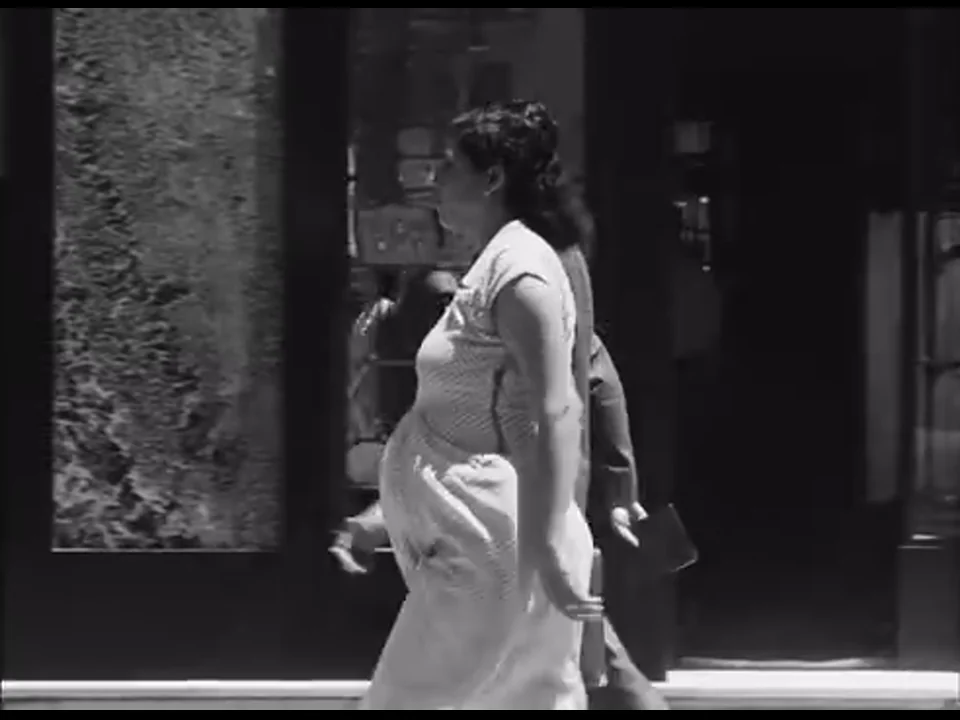
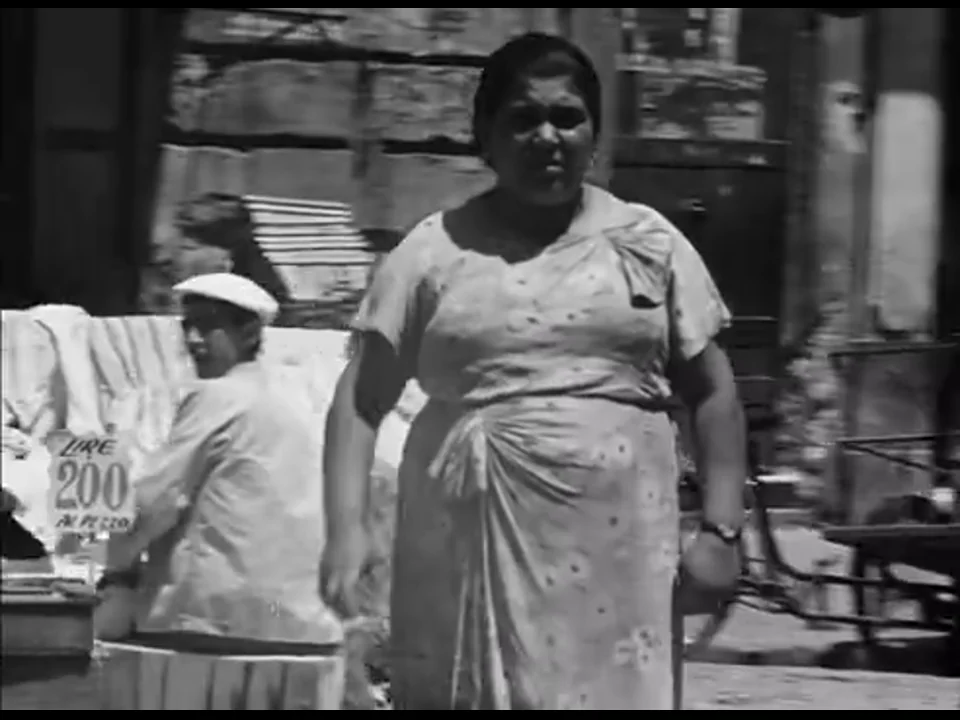
The pregnant figures Katherine earlier saw alone are now counted into an audible series by Natalia beside her. Bilibili timecode 01:07:32.
Open full-size still- Displayed still
- 01:07:32
- Discussion passage
- 01:07:10 - 01:08:26
Frame-checked against the single-part Bilibili repost stream BV1h5MVzfEdW: the page API reports 5,141 seconds, while the retrieved qn16 media runs 5,140.78 seconds at 492×360. Player v2 supplies no usable subtitle track; English dialogue sense was aligned by scene content with an English SDH subtitle file from the Criterion Blu-ray. Every timecode follows the Bilibili carrier.
Complete single-part film on Bilibili; the page, anonymous Player API, media bytes, and full 5,140.78-second duration were verified. Submission label: repost.
Still checked: 2026-08-13 · Carrier access checked: 2026-08-13
Image
Katherine drives with Natalia beside her; their close views alternate with pregnant women, children, a laden donkey, and pedestrians along the street.
The same type of body appears more than once, and every street view returns to looking and conversation inside the car.
Sound
Natalia remarks on the many expectant mothers in Naples and counts the pregnant women in view, then asks whether Alex likes children.
Katherine answers that she does not know what Alex is thinking, while engine and street noise remain continuous.
Relation to the concept
Conversation does not restore her agency; it articulates the pressure of looking more clearly.
Sources and further reading
- Cinema 2: The Time-Image
Minnesota 1989 translation: ch. 1, p. 2 (listed as The Lonely Woman [Viaggio in Italia]). · Brief primary-text mention: on this page Deleuze includes Katherine among female tourists struck by unfolding images and visual clichés; the fuller argument for the turn from agent to seer comes from the surrounding chapter. This site analyzes each scene window, audio-visual fact, and criterion shot by shot.
- Bilibili · Steppenwolffff · public repost page
01:07:32 · The pregnant figures Katherine earlier saw alone are now counted into an audible series by Natalia beside her. Bilibili timecode 01:07:32.
Journey to Italy
Viaggio in Italia (1954)
Supported by the scene
Anonymous skulls receive war dead and an unborn child
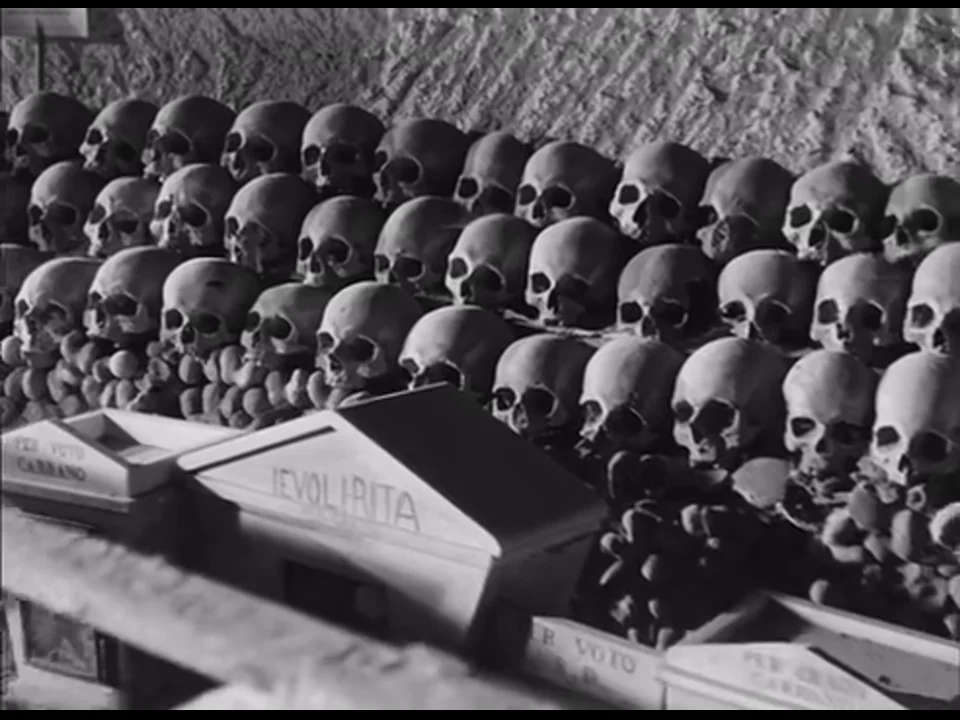
Anonymous remains, personal names, wartime memory, and a prayer for a child enter the same underground space. Bilibili timecode 01:09:40.
Open full-size still- Displayed still
- 01:09:40
- Discussion passage
- 01:08:34 - 01:11:24
Frame-checked against the single-part Bilibili repost stream BV1h5MVzfEdW: the page API reports 5,141 seconds, while the retrieved qn16 media runs 5,140.78 seconds at 492×360. Player v2 supplies no usable subtitle track; English dialogue sense was aligned by scene content with an English SDH subtitle file from the Criterion Blu-ray. Every timecode follows the Bilibili carrier.
Complete single-part film on Bilibili; the page, anonymous Player API, media bytes, and full 5,140.78-second duration were verified. Submission label: repost.
Still checked: 2026-08-13 · Carrier access checked: 2026-08-13
Image
Katherine and Natalia enter a dark cavern where skulls, long bones, devotional boxes, flowers, and candles line the walls.
The film cuts among rows of remains, the two women's bodies, and the altar deep inside; Katherine repeatedly stops to look.
Sound
Footsteps, low prayer, and cavern reverberation reduce the volume of ordinary conversation.
Natalia says that her brother died in Greece during the war and that she comes here to pray for him; she then voices her wish for a child.
Relation to the concept
Facing a layer of death no personal action can repair, Katherine's looking becomes witness.
Sources and further reading
- Cinema 2: The Time-Image
Minnesota 1989 translation: ch. 1, p. 2 (listed as The Lonely Woman [Viaggio in Italia]). · Brief primary-text mention: on this page Deleuze includes Katherine among female tourists struck by unfolding images and visual clichés; the fuller argument for the turn from agent to seer comes from the surrounding chapter. This site analyzes each scene window, audio-visual fact, and criterion shot by shot.
- Bilibili · Steppenwolffff · public repost page
01:09:40 · Anonymous remains, personal names, wartime memory, and a prayer for a child enter the same underground space. Bilibili timecode 01:09:40.
Journey to Italy
Viaggio in Italia (1954)
Supported by the scene
Plaster returns an instant of death to the present
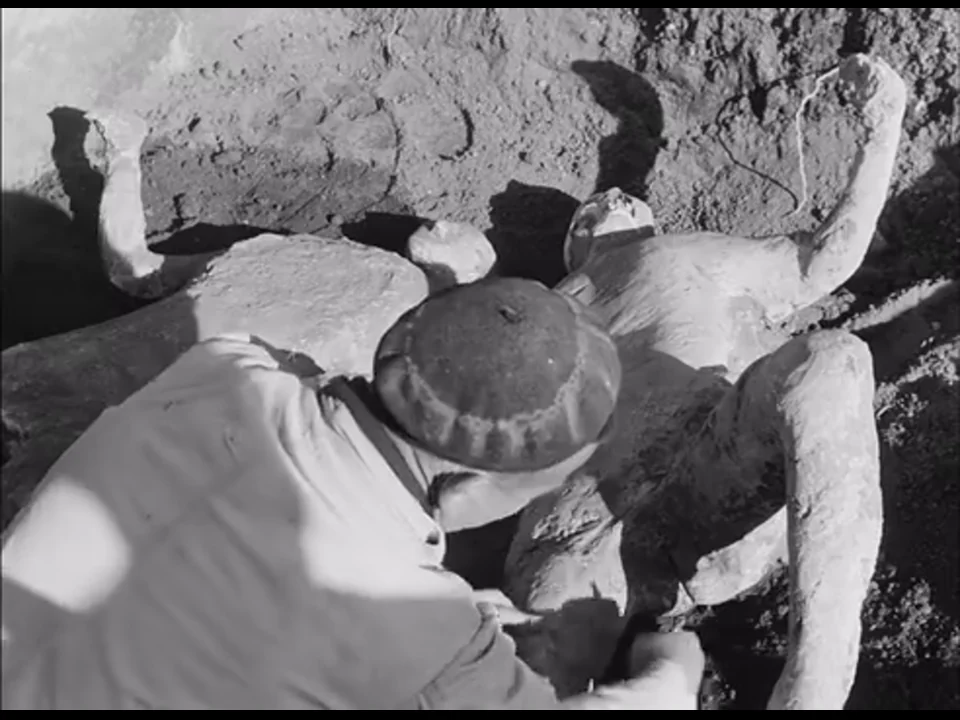
The technical operation successfully restores bodily contours while depriving the watching couple of their capacity to keep bearing the sight. Bilibili timecode 01:15:10.
Open full-size still- Displayed still
- 01:15:10
- Discussion passage
- 01:13:22 - 01:15:28
Frame-checked against the single-part Bilibili repost stream BV1h5MVzfEdW: the page API reports 5,141 seconds, while the retrieved qn16 media runs 5,140.78 seconds at 492×360. Player v2 supplies no usable subtitle track; English dialogue sense was aligned by scene content with an English SDH subtitle file from the Criterion Blu-ray. Every timecode follows the Bilibili carrier.
Complete single-part film on Bilibili; the page, anonymous Player API, media bytes, and full 5,140.78-second duration were verified. Submission label: repost.
Still checked: 2026-08-13 · Carrier access checked: 2026-08-13
Image
Workers use trowels, brushes, and hands to remove volcanic material; pale plaster gradually exposes a head, teeth, arms, and legs against dark soil.
Two adjacent bodies are identified as a man and a woman; the film alternates among the remains and Alex's and Katherine's responses.
Sound
The on-site commentary explains how plaster fills the cavity left after a body disintegrates and successively identifies legs, arms, skull, and teeth.
Tools continue scraping soil; after the observers suggest the two may have been husband and wife, Katherine says she cannot bear it and asks to leave.
Relation to the concept
She is struck by the ancient couple's bodies; leaving results from incapacity to bear the sight rather than solving it.
Sources and further reading
- Cinema 2: The Time-Image
Minnesota 1989 translation: ch. 1, p. 2 (listed as The Lonely Woman [Viaggio in Italia]). · Brief primary-text mention: on this page Deleuze includes Katherine among female tourists struck by unfolding images and visual clichés; the fuller argument for the turn from agent to seer comes from the surrounding chapter. This site analyzes each scene window, audio-visual fact, and criterion shot by shot.
- Bilibili · Steppenwolffff · public repost page
01:15:10 · The technical operation successfully restores bodily contours while depriving the watching couple of their capacity to keep bearing the sight. Bilibili timecode 01:15:10.
Europe ’51
Europa ’51 (1952)
Supported by the scene
Local adjustments still work, yet use no longer exhausts what is seen
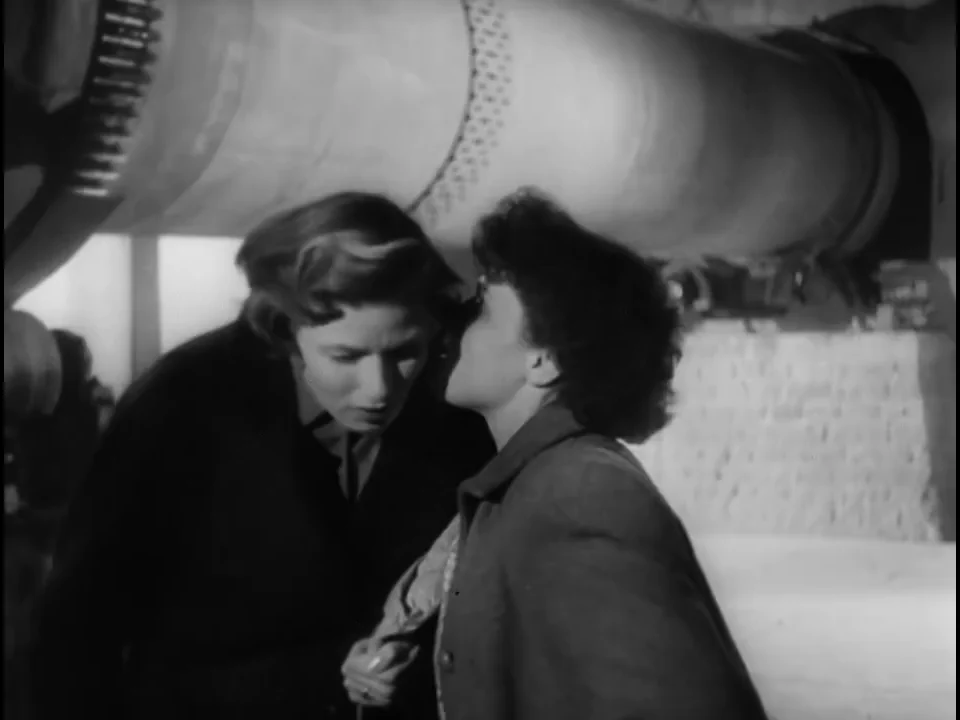
Cylindrical machinery occupies the upper frame while Irene turns and leans toward the worker below; mechanical noise and dialogue coexist in the same shop-floor sound field. Scale, sound, and bodily distance can each be checked at this moment. Bilibili timecode 01:00:00.
Open full-size still- Displayed still
- 01:00:00
- Discussion passage
- approx. 00:59:45–01:00:35 (still anchor 01:00:00)
The 01:00:00 still and its surrounding viewing interval were checked continuously on the single-part Bilibili repost BV15x4y1m7fS. This range provides reproducible coordinates for machinery, passage, bodily position, and sound; it does not claim the exact beginning and end of the complete factory passage. Every other release or cut requires fresh location.
Watch continuously from 00:59:45 to 01:00:35. Record separately the machine's scale in the frame, whether mechanical noise and dialogue coexist, and how the women alter bodily distance. After confirming that the communicative adjustment succeeds, compare the window with the film-wide context of taking a shift, seeking help, and caring to test whether use still fails to exhaust what is seen. The coordinate binds only BV15x4y1m7fS. Public availability and the uploader's authorization to redistribute the film are separate questions.
Still checked: 2026-08-14 · Carrier access checked: 2026-08-14
Image
An enormous cylindrical machine spans the upper frame; pipes, supports, and its body divide the background into dense industrial layers.
Irene and the worker stand in a narrow passage beneath the machine; Irene turns sideways and leans toward the other woman, who faces her.
Sound
Continuous mechanical noise and the women's dialogue occur together; their bodies remain close while they speak.
Relation to the concept
When practical recognition no longer exhausts the factory, Irene begins to undergo relations among machine, worker, and passage that action has not yet explained.
Sources and further reading
- Cinema 2: The Time-Image
Minnesota 1989 translation: ch. 1, p. 2; ch. 3, pp. 45–46 · Chapter 1 places Europa '51 in the postwar lineage of pure optical-sound situations and the seer. Chapter 3 analyses the factory as an audio-visual ‘abstraction’: a few features send the same object through different circuits and open Irene's mental vision of prisoners rather than reviving a recollection. The account of seeing more when practical recognition fails comes from Marrati. The primary text supplies neither a coordinate for this Bilibili carrier nor a shot-by-shot description of this still; the atlas separately verifies the scene window and audio-visual facts.
- Gilles Deleuze: Cinema and Philosophy
Paola Marrati, Gilles Deleuze: Cinema and Philosophy, English translation (2008), pp. 58–60 · Marrati uses Irene's factory experience to distinguish practical recognition from seeing. The character does not first acquire knowledge about the factory and then act on it; rather, the failure of habitual recognition lets things appear with a force not exhausted by action. This interpretation supports the scene's conceptual boundary without replacing verification of the specific carrier.
- Cinema After Deleuze
Richard Rushton, Cinema After Deleuze (2012), pp. 63–65 · Rushton interprets the factory vision as ‘pure seeing’ released from established habits of looking and places Irene's break with middle-class conventions within the narrative process that ends in social exclusion and psychiatric confinement. He does not claim that the institution directly diagnoses this one factory vision, nor does he provide the time coordinate of the atlas still.
- Bilibili · 久久莫相忘_ · single-part complete film Europa '51 · repost
01:00:00 · Cylindrical machinery occupies the upper frame while Irene turns and leans toward the worker below; mechanical noise and dialogue coexist in the same shop-floor sound field. Scale, sound, and bodily distance can each be checked at this moment. Bilibili timecode 01:00:00.
Tropical Malady
สัตว์ประหลาด! (2004)
Concept relation awaiting verification
Tiger and soldier hold one another's gaze
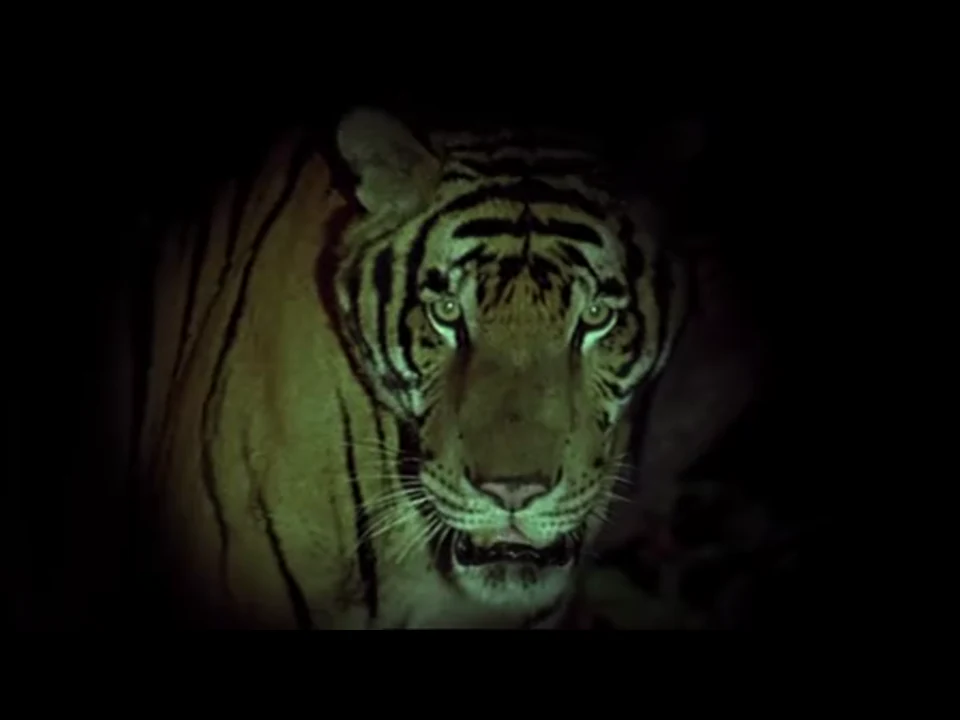
Alternating close views suspend the hunt between the frontal gazes of tiger and soldier. Bilibili timecode 01:45:12.
Open full-size still- Displayed still
- 01:45:12
- Discussion passage
- 01:44:42 - 01:46:02
Frame-checked against the single-part Bilibili repost stream BV12QcAzME5g: the page API reports 6,867 seconds and the retrieved qn16 media runs 6,866.48 seconds. Bilibili supplies no subtitle track; dialogue sense was cross-checked against a third-party English SRT bearing the same DVDRip release name.
Single-part user repost on Bilibili; the page and anonymous Player API were verified as playable. No platform subtitle track is present.
Still checked: 2026-08-13 · Carrier access checked: 2026-08-13
Image
Flashlight reveals the tiger's face; the film cuts among the tiger frontally, the soldier's face, and his hand holding the light.
The soldier does not fire and the tiger does not spring; both remain still and look toward one another.
Sound
Forest sound and low tiger vocalization continue; a first-person voice then enters in conjunction with the tiger's shots.
The voice successively names self, mother, father, fear, and sadness.
Relation to the concept
Suspended agency produces a more intense mutual seeing.
Sources and further reading
- Bilibili · 冰山阴影_ · public repost page
01:45:12 · Alternating close views suspend the hunt between the frontal gazes of tiger and soldier. Bilibili timecode 01:45:12.
Once Upon a Time in Anatolia
Bir Zamanlar Anadolu’da (2011)
Atlas shot reading
Lamplight suspends procedure
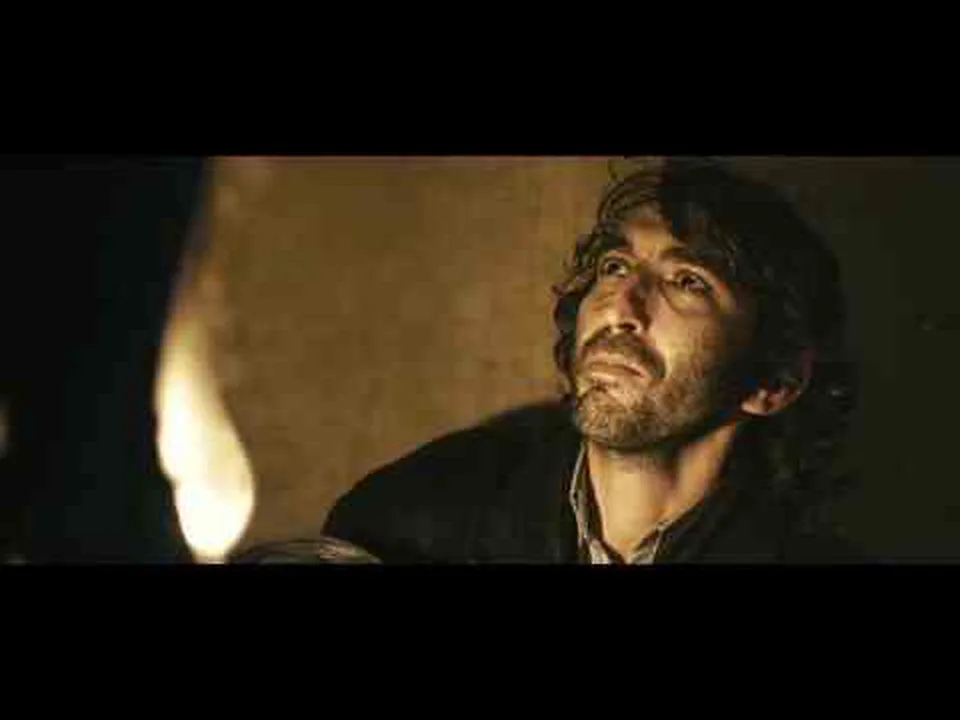
After the outage, a girl with one lamp successively illuminates prosecutor, doctor, and Kenan. An ordinary act of serving tea makes Kenan weep and briefly summons the dead man's image.
Open full-size still- Displayed still
- 01:05:30
- Feature time
- 01:05:30
Stills and jumps use the user-supplied Bilibili carrier. The feature occupies 00:00:00–02:31:07; roughly 1 hour 43 minutes of unrelated tail padding follows.
The still and link retain the film guide's recorded shot locator.
Image
After the outage, a girl with one lamp successively illuminates prosecutor, doctor, and Kenan. An ordinary act of serving tea makes Kenan weep and briefly summons the dead man's image.
Relation to the concept
The girl is not a clue that solves the case. She turns procedural agents into seers who can only look and cannot convert what they see into immediate action.
Sources and further reading
- Cinema 2, Chapter 1
Pure optical/sound situations and the neorealist turn
- Open Death-Images issue
Further research on death, witness, and image responsibility
- Official Cannes film archive
Premiere, credits, and edition coordinates
- Cinema Guild press kit
Director statements, credits, and production context
Films and scenes

In factory and impoverished spaces, Irene sees relations that family and charitable action cannot absorb, and this seeing transforms her connection to the world.
IMDb identification poster ↗Related film readings · 19 films
Germany Year Zero · 1948 — Ruins exceed the reach of reparative action. The child becomes a seer before the intolerable, and the action-chain collapses from within.
Europe ’51 · 1952 · Meets the test — In factory and impoverished spaces, Irene sees relations that family and charitable action cannot absorb, and this seeing transforms her connection to the world.
Stromboli · 1950 — The volcano’s beauty and pain exceed any executable response, turning the protagonist from agent into a seer struck by a limit situation.
Umberto D. · 1952 — The maid’s small morning tasks receive their full duration. Seeing, waiting, and fatigue give everyday life optical density of its own.
An Autumn Afternoon · 1962 — The father’s tears after the wedding remain within the everyday; death, separation, and grief flow through the same temporal series.
Gertrud · 1964 — Choice exceeds calculable consequences and becomes a mode of existence. Bodily attitudes and disconnected planar relations let belief replace knowledge.
Journey to Italy · 1954 — Katherine is struck by unfolding landscapes and visual clichés, discovering something beyond what she can personally bear. She no longer resolves what she sees through action but becomes a seer.
Tropical Malady · 2004 — The film’s rupture produces a new perceptual regime among love, legend, human-animal becoming, and forest, testing the postwar European model in return.
Once Upon a Time in Anatolia · 2011 — Headlights repeatedly illuminate similar slopes and fountains, yet the suspect can only answer 'not here.' The search accumulates no mastery of the steppe; it releases wind, an apple rolling into a stream, car conversations about illness and family, and the pause produced when the mayor's daughter serves tea. Even after the body is found, transported, and examined, the doctor suppresses a detail that could alter responsibility. Procedure finishes while the event remains unexhausted: the time of death stays among landscape, fatigue, and a judgment left unwritten.
Still Life · 2006 — Demolition space, broken relations, and sudden unreal objects remove the coordinates of action; local history provides the analysis’s core scale.
Bicycle Thieves · 1948 — The search should organize Rome as a space of purposeful action, yet it carries father and son through crowds, streets, and encounters that never cohere. When the boy witnesses his father’s failed theft, seeing replaces solution: the character becomes a seer within a situation he can no longer answer.
Paisà · 1946 — Six episodes join encounters, mistranslations, and abrupt deaths while withholding transitions that would explain them. Characters enter after a fact has begun and leave before its consequences can be mastered; the inexhaustible before and after of the event presses directly on perception.
Tokyo Story · 1953 — Trains and buses deliver the parents to Tokyo without re-forming the family as a community of action. Low viewpoints, abbreviated visits, empty rooms, and smokestacks break the trip into everyday intervals. After the mother’s death, objects and spaces continue, and time appears as the persistence of ordinary life.
Taxi Driver · 1976 — Windshield, rear-view mirror, neon, and aimless cruising fragment New York into loose clichés. Travis sees everything yet cannot form an adequate response. He forces an action-chain through violence, which the media repackages as heroism, exposing crisis and cliché-production together.
Nostalghia · 1983 — Misty Italy, a waterlogged house, and a Russian home embedded in ruins let exile’s past enter the present. Andrei crosses the empty pool three times with a candle; each bodily failure increases the shot’s temporal pressure, turning belief into persistence without guarantee.
The Enigma of Kaspar Hauser · 1974 — Writing, table manners, and logical puzzles try to insert Kaspar into social action, while his landscape visions open another passage in the image. Fields, mountains, and desert are not psychological illustrations; they split the small figure's local situation in two. Society can train his acts but cannot absorb his seeing.
Readings in the same thematic group
L’Avventura · 1960 — The disappearance escapes the logic of a solvable mystery; islands, architecture, and bodily attitudes give duration to the void within relations.
India Song · 1975 — Voices separate from visible bodies, while image and sound form autonomous series that meet at the edge of an absent event.
Chronicle of Anna Magdalena Bach · 1968 — Anna's narration, letters, and the son's account form free indirect discourse. Live performance lets music acquire a resistant force independent of score and biographical explanation.
Criteria
Does the character’s inability to act produce a more powerful seeing?
Distinctions and counterexamples
Hesitation, immobility, observation, depression, or passive victimhood does not automatically produce a seer. Without a new perceptual relation, suspended action remains a plot condition.
Common confusion: Criterion: suspended agency must produce intensified perception.
Texts and sources
Cinema 2, ch. 1
- 01Cinema 2: The Time-Image
Authoritative source for the standard translation, translators, ISBN, and publication date.
View source and edition →
Research disagreements
Replacement or coexistence?
The time-image reverses the subordination of time to movement; both regimes persist and can shift locally within one film.
Taxonomy or generator?
Fixed labels invite mere example-hunting; an open taxonomy requires new concepts to transform existing relations and explain across cases.
How do we use Deleuze precisely?
Test four layers: sensory-motor relation, actual/virtual circuit, audio-visual connection, and regime of truth.
Where contemporary images push this concept
Testing the concept against a new mechanismCandidate reading · versioned passage review pending
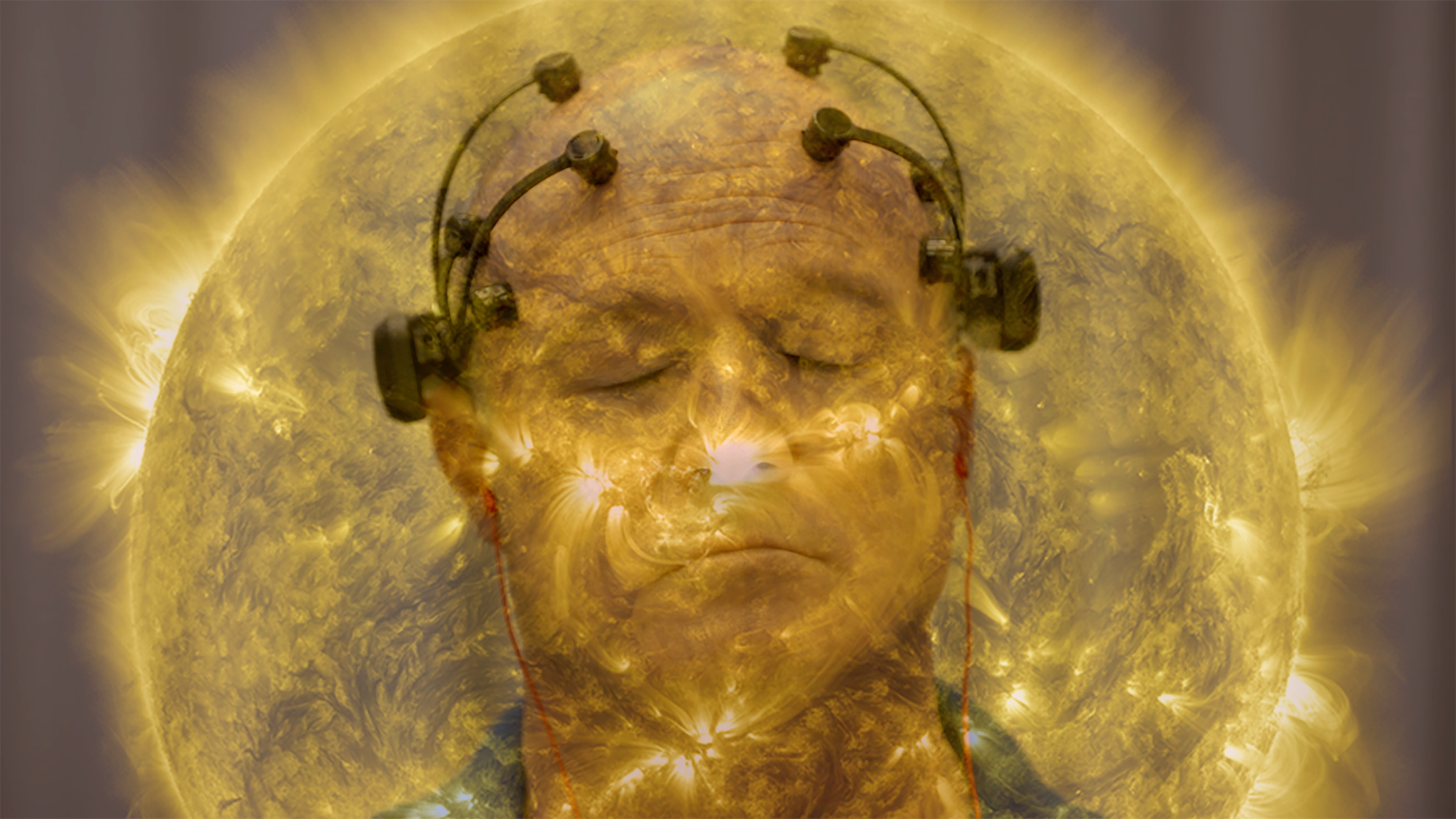
All Light, Everywhere: who interprets the body camera's blind spots?
Surveillance as a topic does not produce the seer; the film makes body-camera blind spots, corporate demonstrations, and historical optical devices discredit one another, so the viewer sees more while becoming less able to translate sight into an executable, uncontested judgement.
Scope and limits If sequence review shows that narration ultimately completes the causal inference for the viewer, the images still serve a settled argument and the seer relation should be reduced to an essay-film rhetorical strategy.
- Neon: All Light, Everywhere official film pageDistributor film page · film factsA synopsis does not replace shot analysis; the full institutional scope of policing cannot be proven by the film alone.
- Simone Browne: Dark MattersScholarly monograph · racialising surveillance historyThis is surveillance history and Black studies, not a film-shot or Deleuze substitute; use it to correct neutral-technology narratives.

Extending the concept into contemporary conditionsCandidate reading · same-session trace pending
The Viewing Booth: the viewer is in the frame
The booth moves the seer from outside the screen into a visible apparatus: the participant watches political clips, explains her doubt in the moment, and months later watches her earlier self. The break between seeing and acting thus acquires a face, a delay, and a second judgement.
Scope and limits If the second viewing merely reinforces the prior position while selection and editing power remain unexamined, the apparatus demonstrates the resilience of a stance rather than a genuine transformation of the seer's position.
- ICA: The Viewing Booth institutional pageInstitutional film page · viewing setupAn institutional synopsis is not a complete experiment log; the viewer’s specific reactions require the film edition.
- Vinzenz Hediger: Documentary spectatorship and justified trustWorking paper · The Viewing Booth and trustA working paper and one participant do not represent all viewers; context, selection, and editing must remain separate.
Concepts to distinguish
Compare them
- Sensory-motor schemaschème sensori-moteur
The sensory-motor schema is not the definition of the movement-image but one specific body-world organization within it. A body receives movement from its milieu, selects perceptions according to its needs, retains what it cannot immediately discharge as affection, and answers the milieu through action. Its crisis does not mean that characters cease moving; the link from perception and affection to an action capable of changing the situation comes loose.
→ - Pure optical / sound situationopsigne / sonsigne
A visual or auditory situation acquires a duration autonomous from cues for action or narration. Unable to translate what is seen or heard immediately into an effective response, the figure becomes a seer, listener, or witness. This is a threshold of the time-image, not direct time by itself.
→ - Any-space-whateverespace quelconque
A space stripped of stable coordinates, total continuity, and practical use: ruins, empty lots, fractured streets, waiting rooms, or virtual spaces built from light, colour, and fragments. Relations can be recomposed within it.
→