Image
Key still, timecode, and visible fact.
Concepts emerge from concrete changes: an action fails to connect, a sound detaches from its source, a duration outlasts its task, or an utterance changes who may speak as “we.” The atlas currently holds 64 scenes across 16 films. Each index card gives the shot, location, and research question; shot facts and theoretical judgements unfold on its independent detail page.
Key still, timecode, and visible fact.
Action, time, and criterion.
Concept, term, chapter, and primary pages.
Viewing carrier, platform label, and verification date.
Choose a film and enter a continuous analysis of stills, sounds, and concepts.
10 scenes: deliberation, transmission, financing, construction, ritual, and delegation
Open in-depth film argument8 scenes: rupture, darkness, soundscape, legend, human-animal relation, and gaze
Open in-depth film argument6 scenes: ruins, wandering, the seer, the unbearable sight, and the ending
Open in-depth film argument8 scenes: museum, pregnancy, echo, steam, skulls, Pompeii bodies, and procession
3 scenes: property situation, herd feedback, and transfer of command
3 scenes: Monument Valley, distributed action in the chase, and the departure ending
3 scenes: car-door sound, the millionaire's drunk-sober reversal, and the final touch
3 scenes: gold tooth, coins, grasping, Death Valley scarcity, and exhaustion
3 scenes: fixed viewing position, concrete bearer of abstract relation, and the observer caught by a returned look
3 scenes: inflatable globe, exchanged identity positions, and the frontal final address
3 scenes: title grid, the place where there are no crops to spray, and the cliff-to-berth match cut
3 scenes: pet-shop exchange, first strike over the bay, continuing song, and playground evacuation
3 scenes: absent third term, Judy as demark, desirous control, and affection-image countertest
3 scenes: foot contact and compartment talk, strangulation in the lens, and the lighter exposed as the hand slowly opens while Bruno is dying
1 scenes: machine scale, mechanical noise, bodily distance, practical recognition, and the seer
1 scenes: two facial shots, two vase shots, moving bamboo shadows, continuous snoring, and the rock-garden transition
64 / 64 scenes · 48 expanded
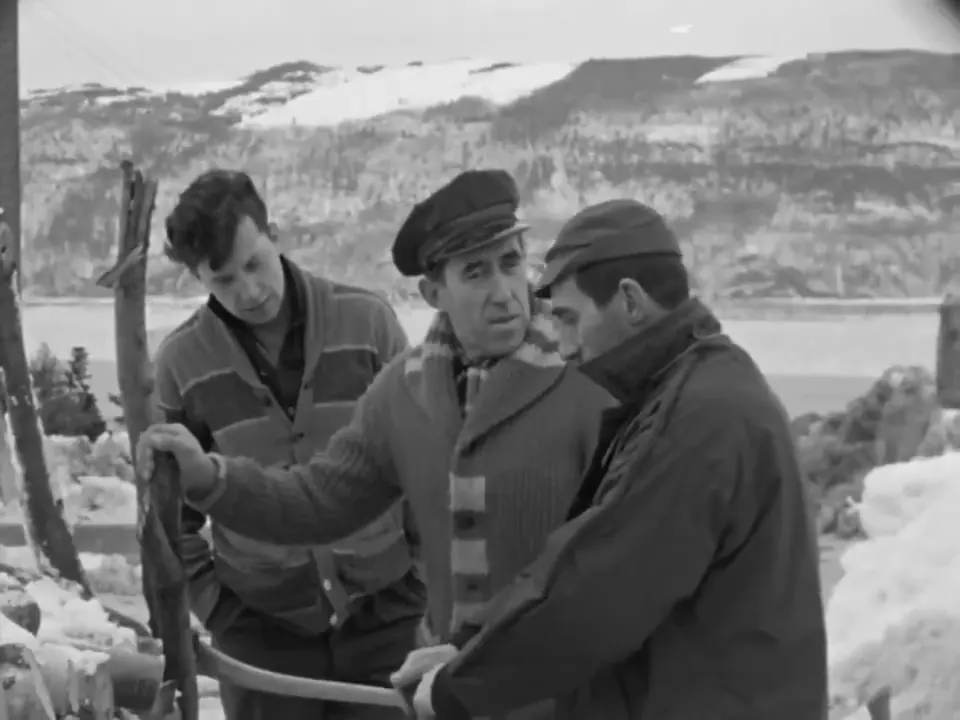
PASSAGE
approx. 00:09:30—00:10:30 · Approximate window
At what utterance does a long-interrupted practice become collective action again?
CONCEPT ROUTES
Fabulation · Speech act and a people to come
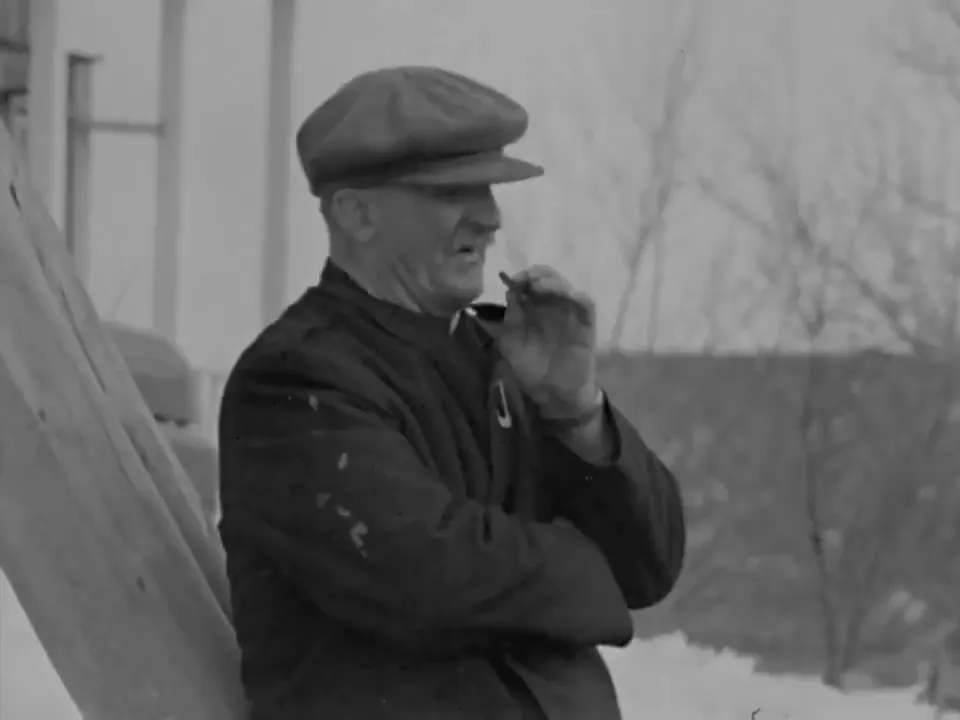
PASSAGE
approx. 00:14:30—00:15:30 · Approximate window
How does oral knowledge move from memory into a usable condition of action?
CONCEPT ROUTES
Fabulation · Speech act and a people to come
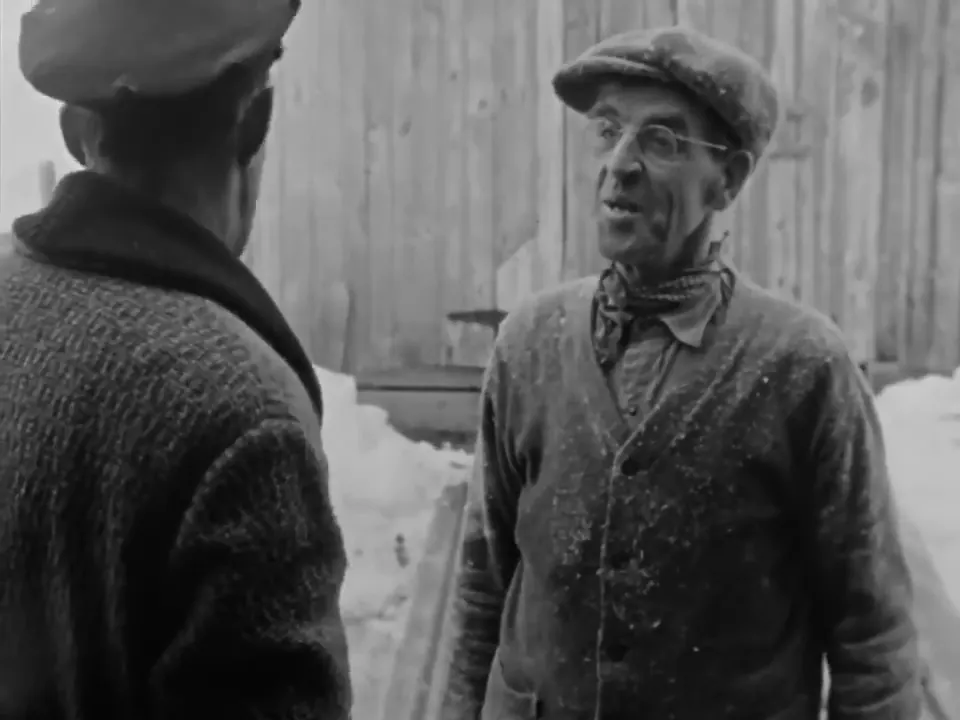
PASSAGE
approx. 00:19:30—00:20:30 · Approximate window
How does the film capture a collective at the moment it is convened?
CONCEPT ROUTES
Fabulation · Speech act and a people to come
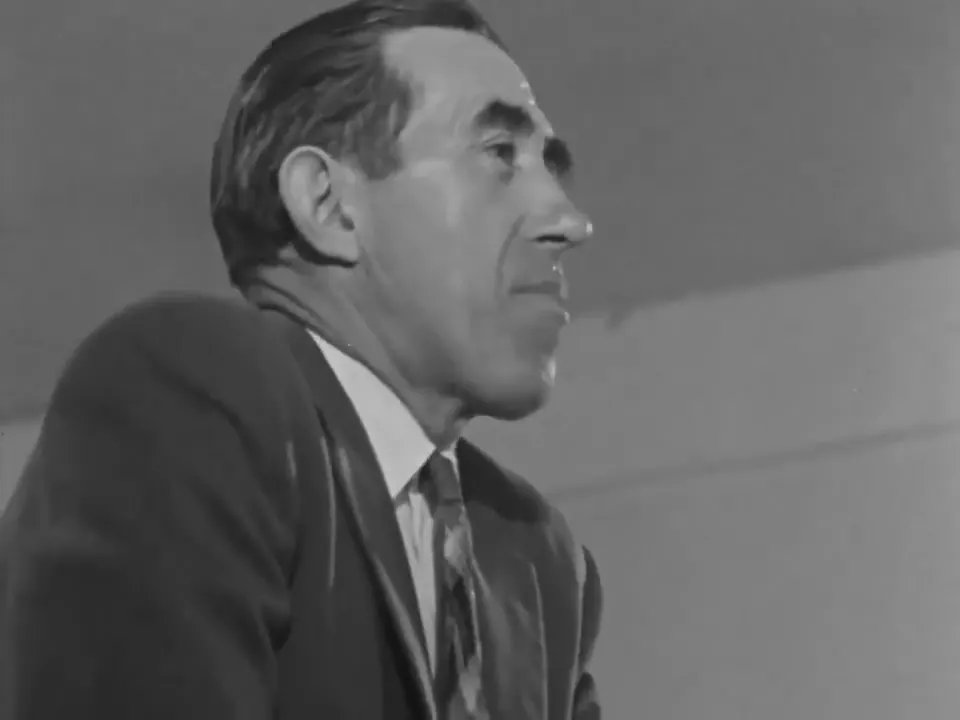
PASSAGE
approx. 00:24:30—00:25:30 · Approximate window
How does fabulation pass through budgets, equipment, and institutions into material reality?
CONCEPT ROUTES
Fabulation · Speech act and a people to come
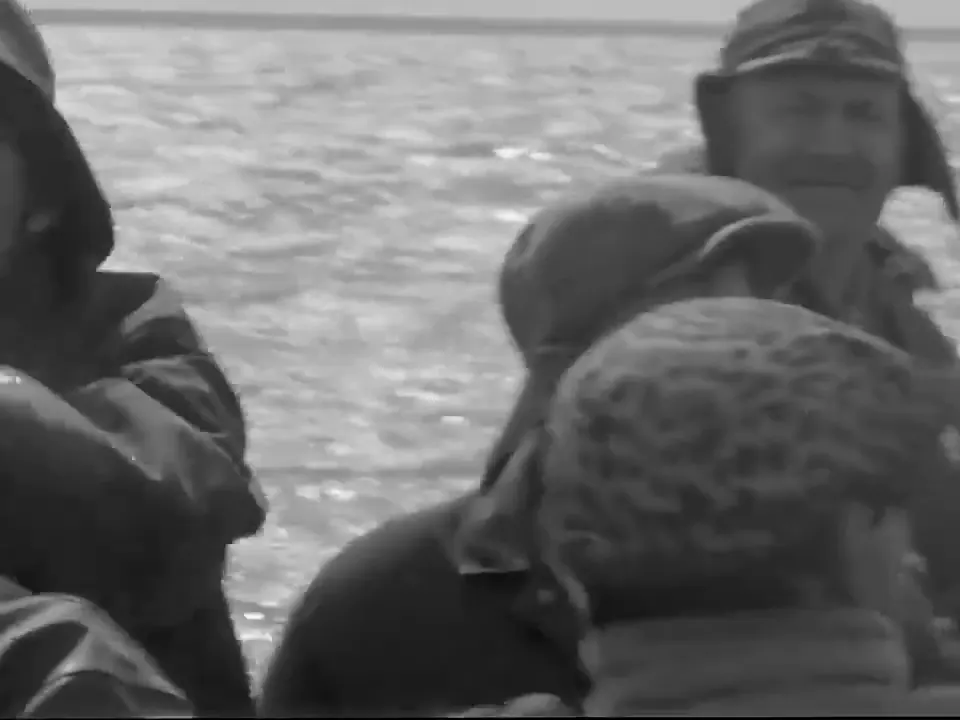
PASSAGE
approx. 00:29:30—00:30:30 · Approximate window
How can documentary preserve communal memory and the historical gaps within that memory?
CONCEPT ROUTES
Fabulation · Speech act and a people to come
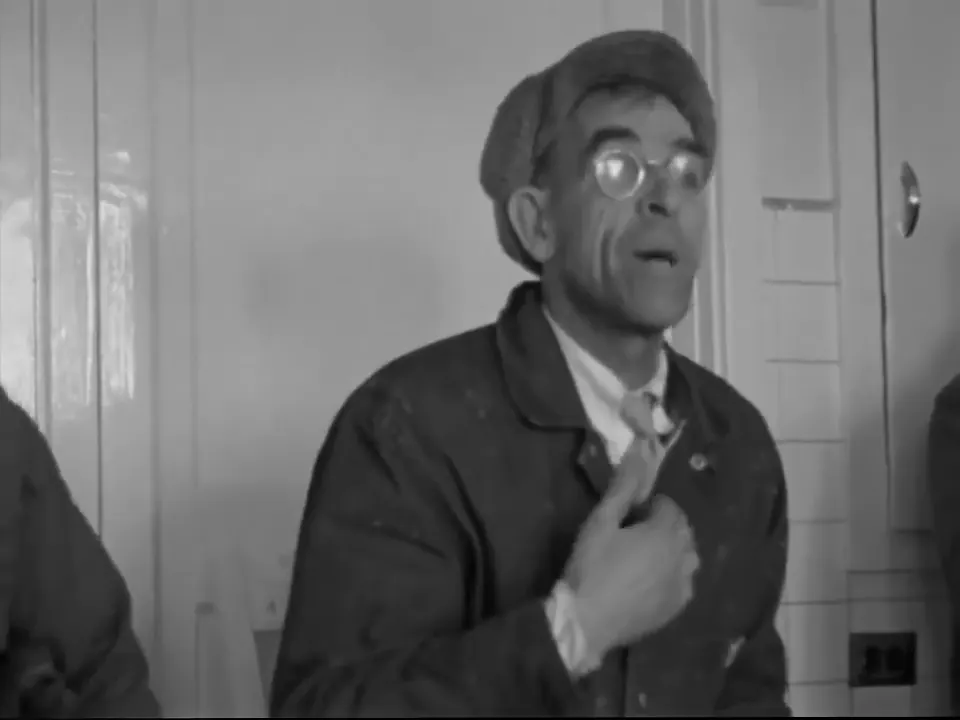
PASSAGE
approx. 00:34:30—00:35:30 · Approximate window
How is a capacity transmitted through utterance, gesture, and shared practice?
CONCEPT ROUTES
Fabulation · Speech act and a people to come
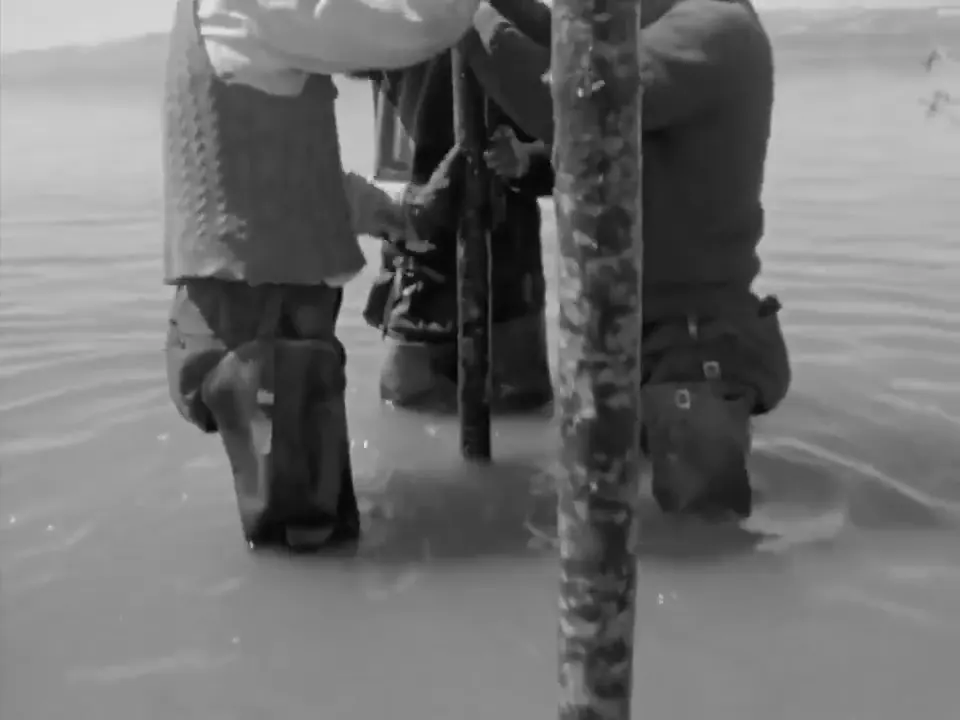
PASSAGE
approx. 00:43:35—00:44:13 · Approximate window
Where does speech become shared labour, and what historical difference does the labour retain?
CONCEPT ROUTES
Fabulation · Speech act and a people to come
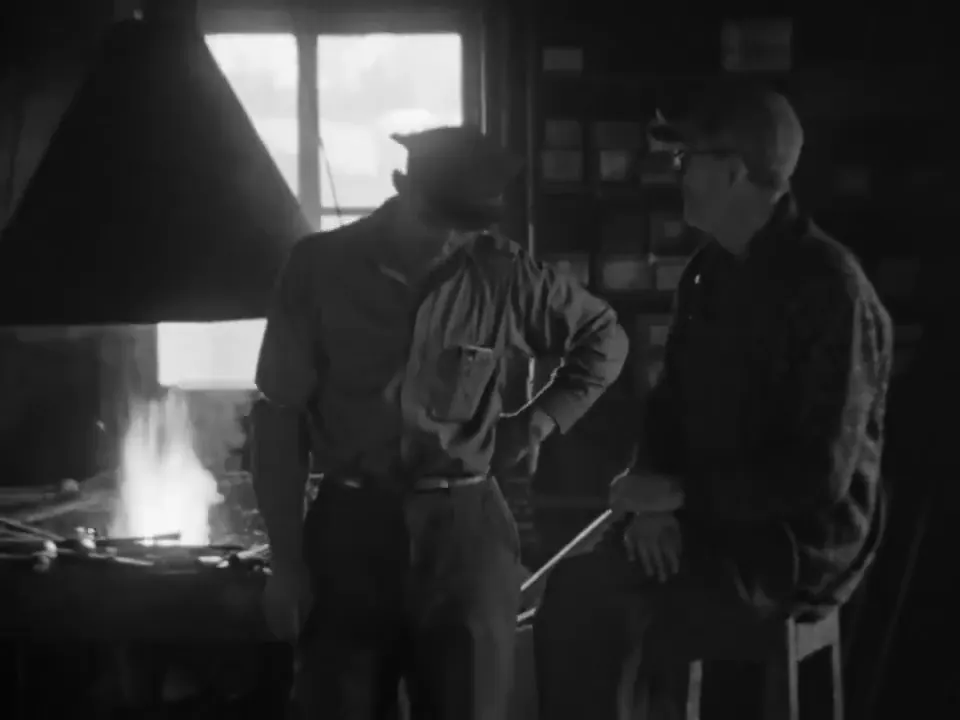
PASSAGE
approx. 01:09:30—01:10:30 · Approximate window
How does historical conjecture enter fabulation while retaining an evidentiary boundary?
CONCEPT ROUTES
Fabulation · Speech act and a people to come
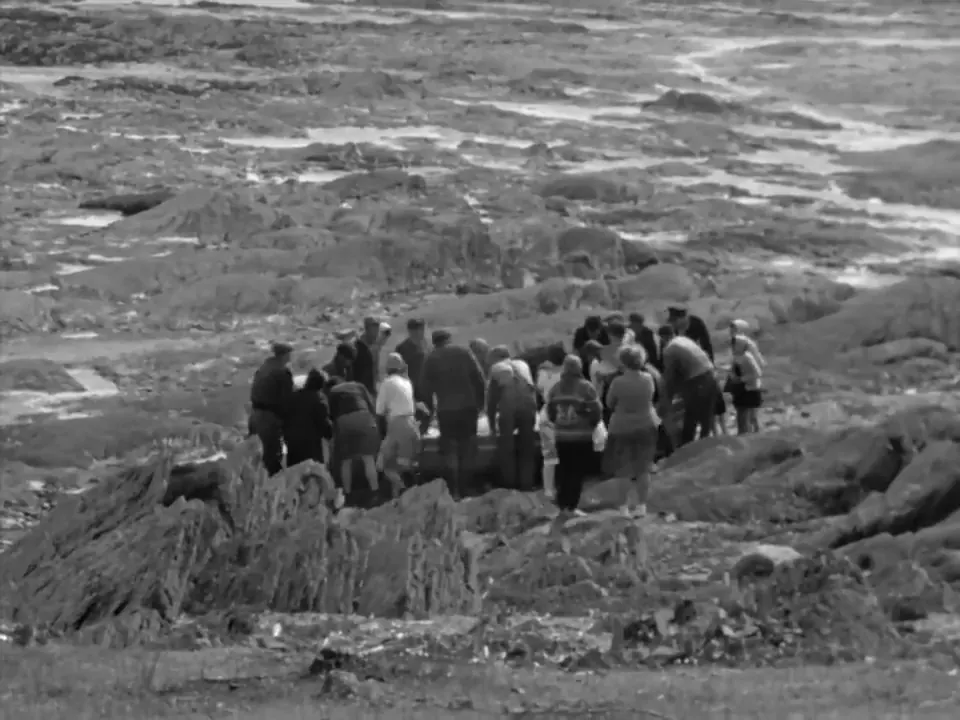
PASSAGE
approx. 01:29:30—01:30:30 · Approximate window
How does the result of shared labour become the material basis of collective enunciation?
CONCEPT ROUTES
Fabulation · Speech act and a people to come
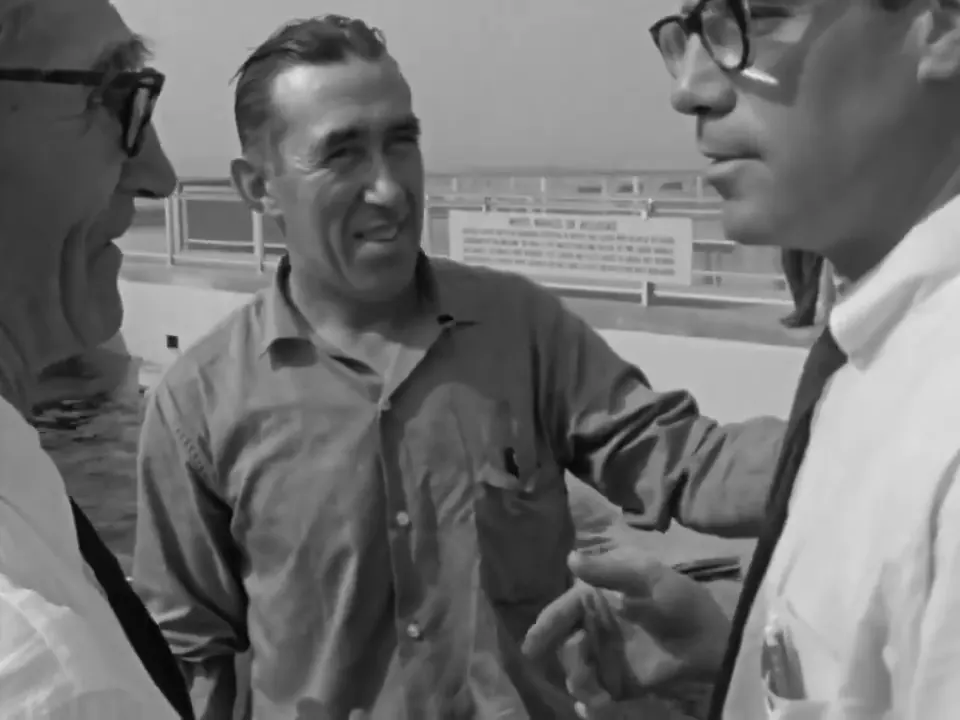
PASSAGE
approx. 01:39:30—01:40:30 · Approximate window
How does collective enunciation take form in one person’s voice while retaining plural sources?
CONCEPT ROUTES
Fabulation · Speech act and a people to come
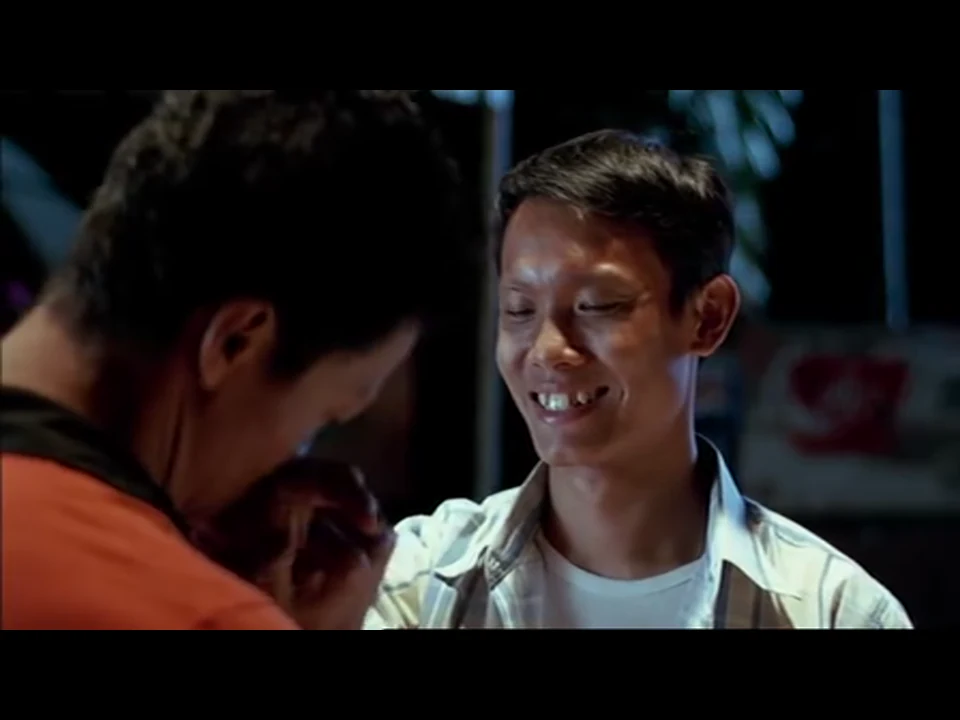
PASSAGE
00:51:38—00:52:16 · Exact bounds
How does the first half make tactile gesture carry what speech leaves unsaid?
CONCEPT ROUTES
Body / brain
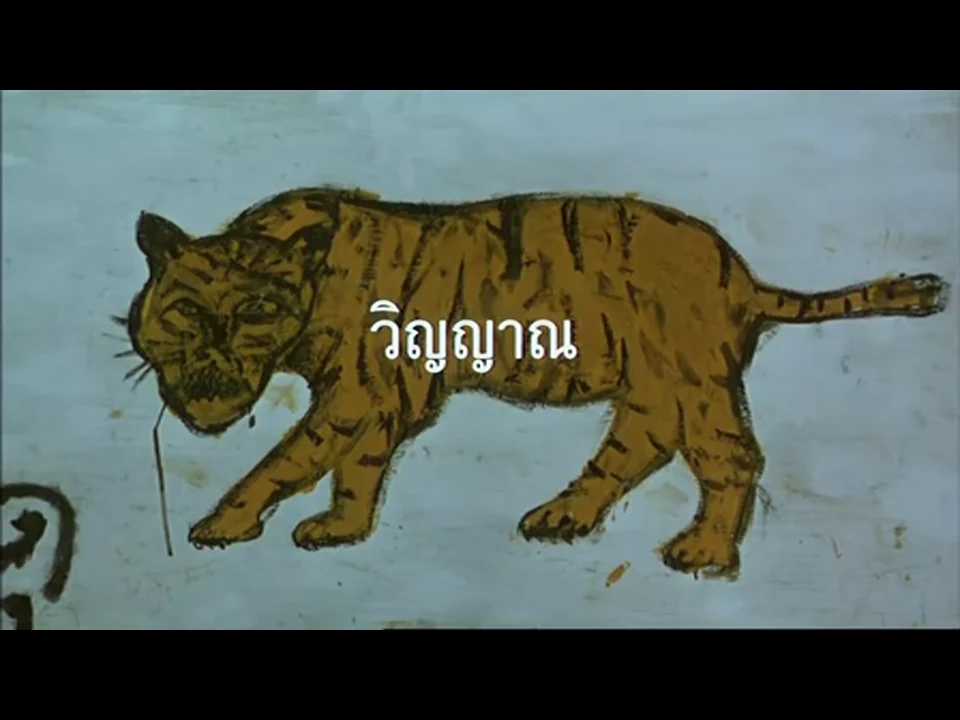
PASSAGE
00:58:18—00:59:22 · Exact bounds
How does the second opening transform the first half's love relation within legend rather than simply cancel it?
CONCEPT ROUTES
Irrational cut / interstice
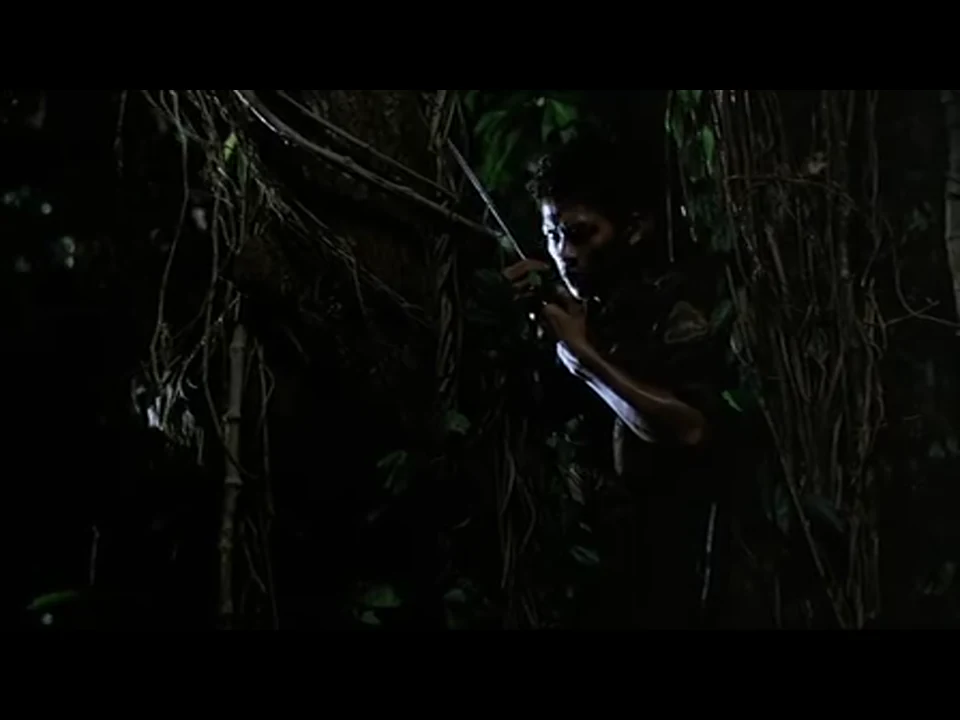
PASSAGE
01:08:36—01:09:10 · Exact bounds
When the radio carries a call but no command, what organizes the soldier's hearing?
CONCEPT ROUTES
Pure optical / sound situation · Any-space-whatever
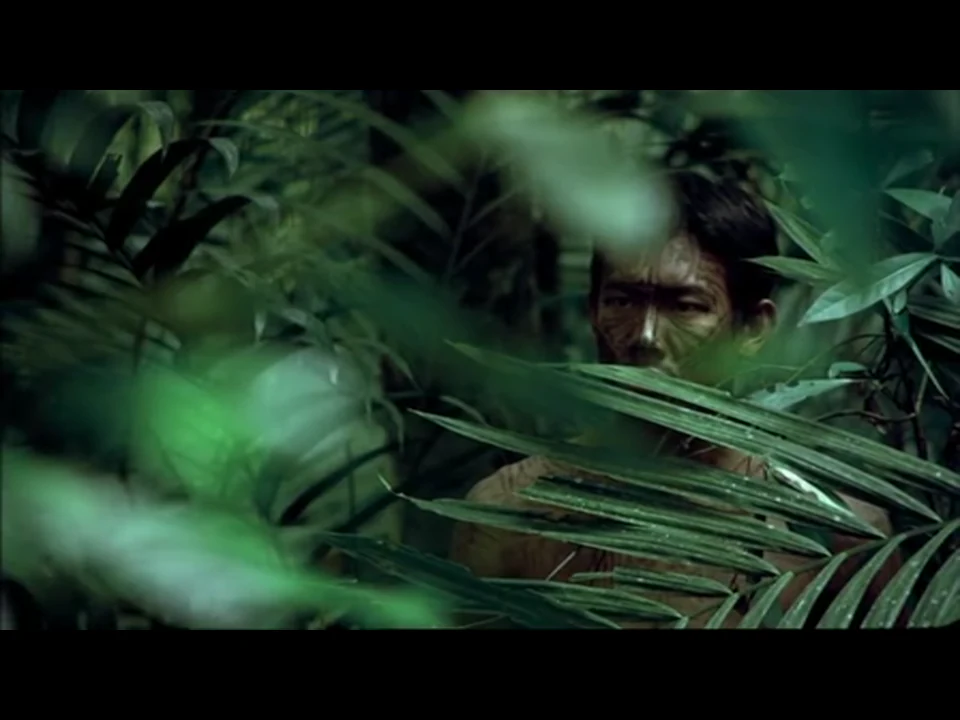
PASSAGE
01:17:18—01:18:10 · Exact bounds
When the ghost first appears as eyes among leaves and writing only later names its object of attention, where does the agency of looking lie?
CONCEPT ROUTES
Pure optical / sound situation · Lectosign
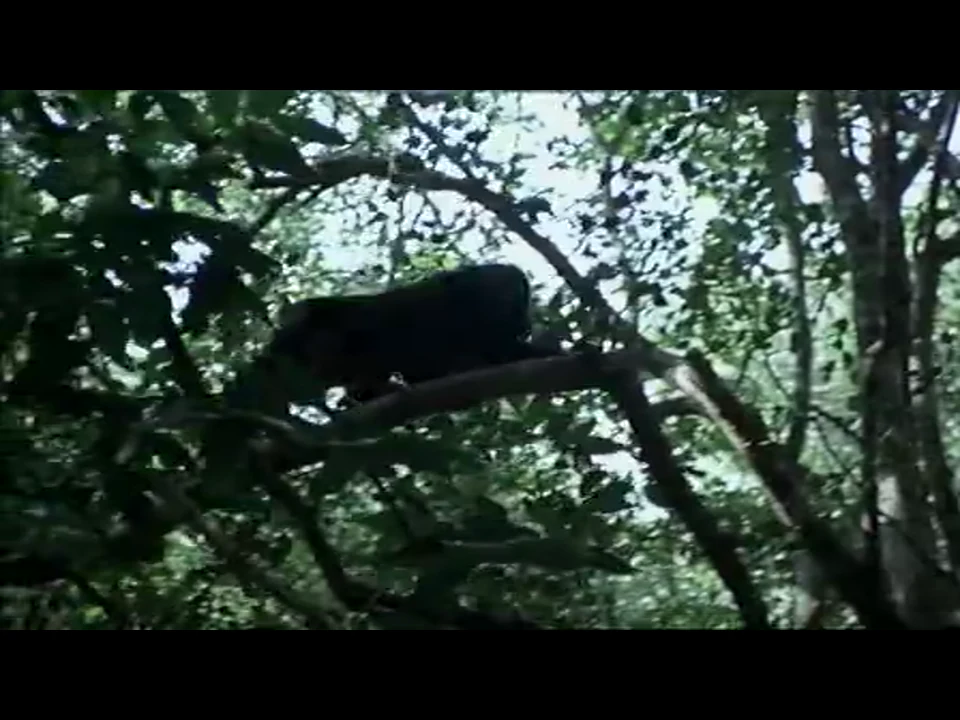
PASSAGE
01:29:05—01:30:16 · Exact bounds
How does the monkey's speech recast 'kill/be devoured' from action choices into transformations between worlds?
CONCEPT ROUTES
Pure optical / sound situation
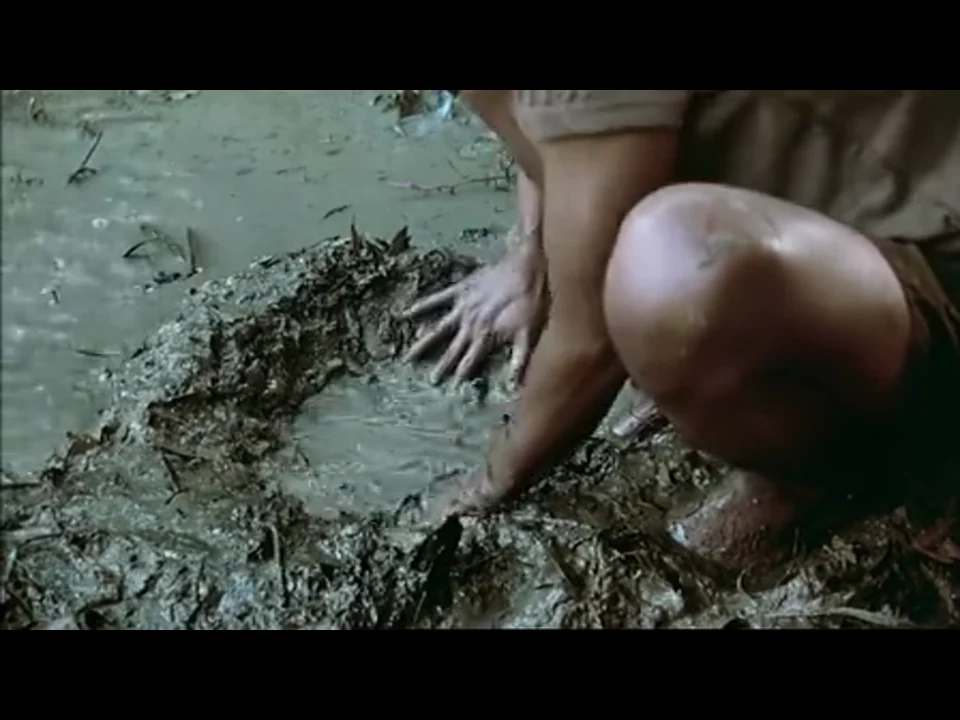
PASSAGE
01:30:16—01:31:35 · Exact bounds
What changes in the soldier's hunting body when upright walking gives way to bare feet, hands on the ground, and low movement?
CONCEPT ROUTES
Body / brain
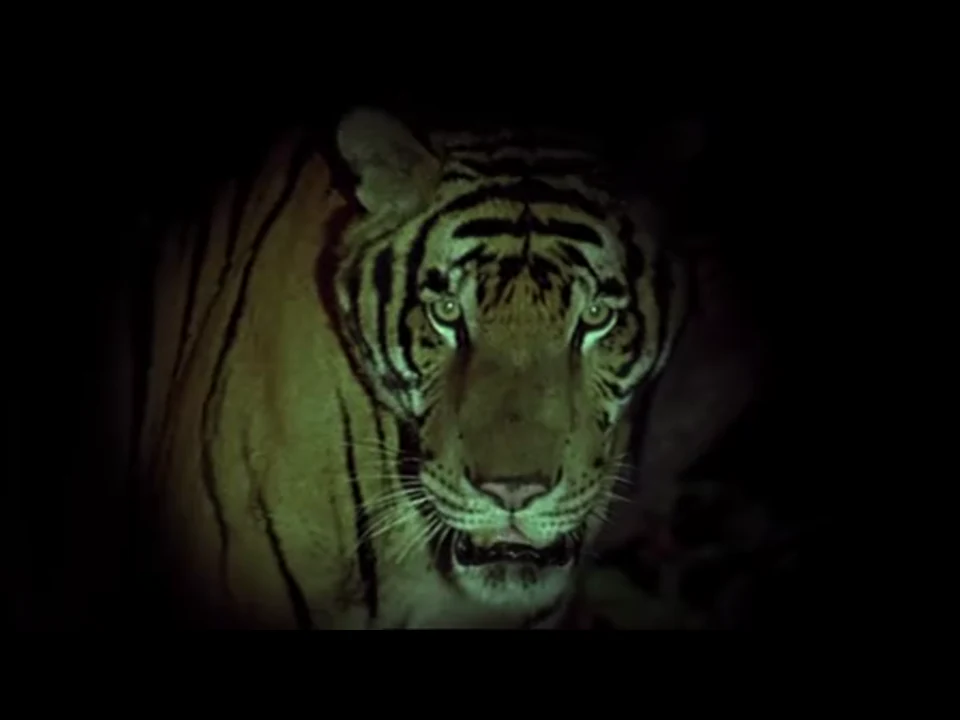
PASSAGE
01:44:42—01:46:02 · Exact bounds
Once the tiger acquires a frontal gaze and first-person speech is joined to its shots, can the soldier still keep it as mere prey?
CONCEPT ROUTES
The seer · Pure optical / sound situation
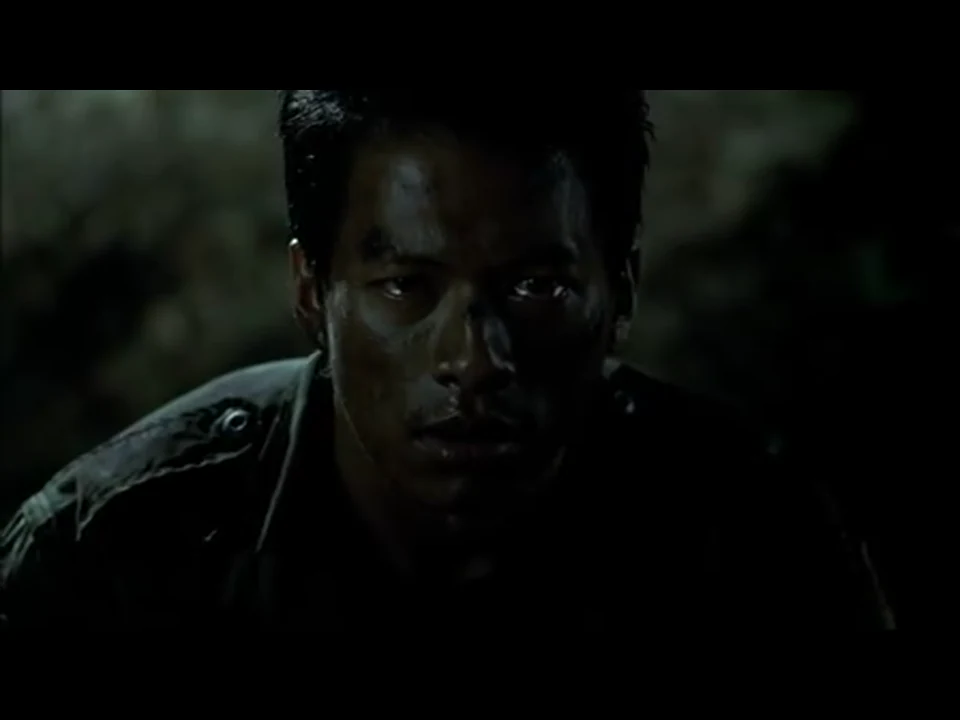
PASSAGE
01:47:52—01:49:17 · Exact bounds
How does 'Do you hear it?' entrust the film's final relation to sound rather than a visible victory or defeat?
CONCEPT ROUTES
Pure optical / sound situation · Body / brain
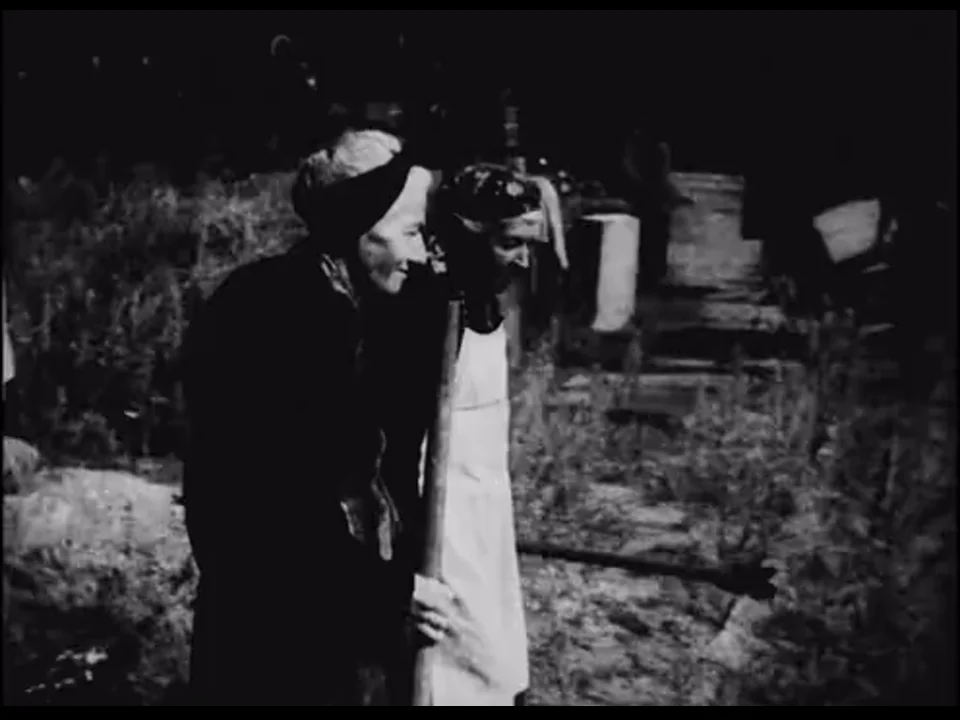
PASSAGE
00:02:05—00:02:54 · Exact bounds
When a cemetery is also a worksite and passage of daily life, at what scale can action still repair the city?
CONCEPT ROUTES
Sensory-motor schema · Any-space-whatever
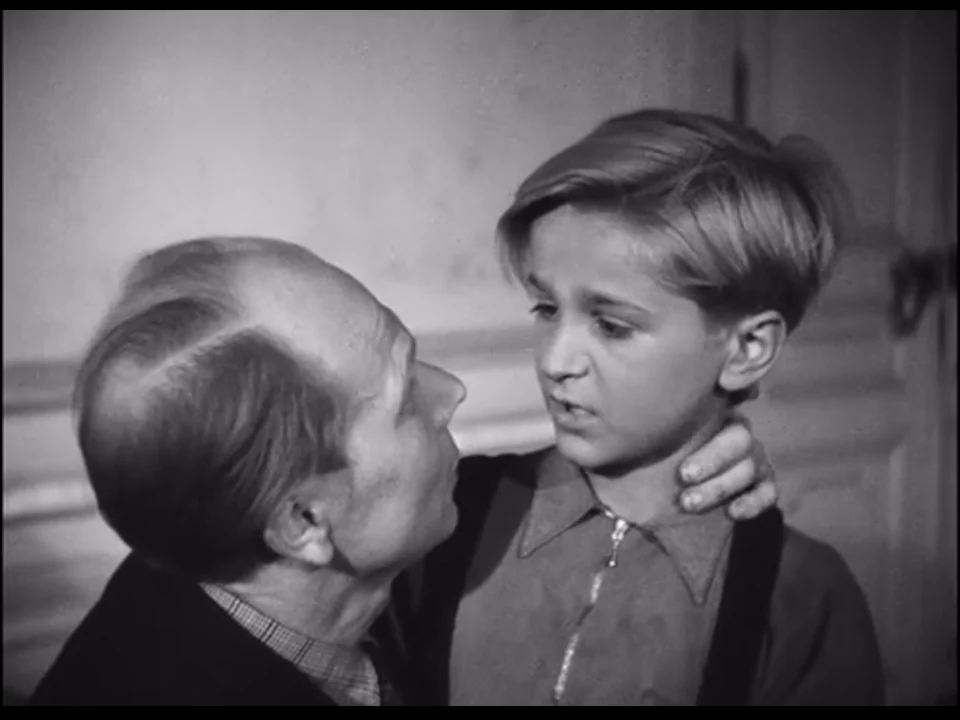
PASSAGE
00:23:58—00:26:11 · Exact bounds
How does a collapsed political world continue to organize a child's action through record, trade, and lie?
CONCEPT ROUTES
Sensory-motor schema
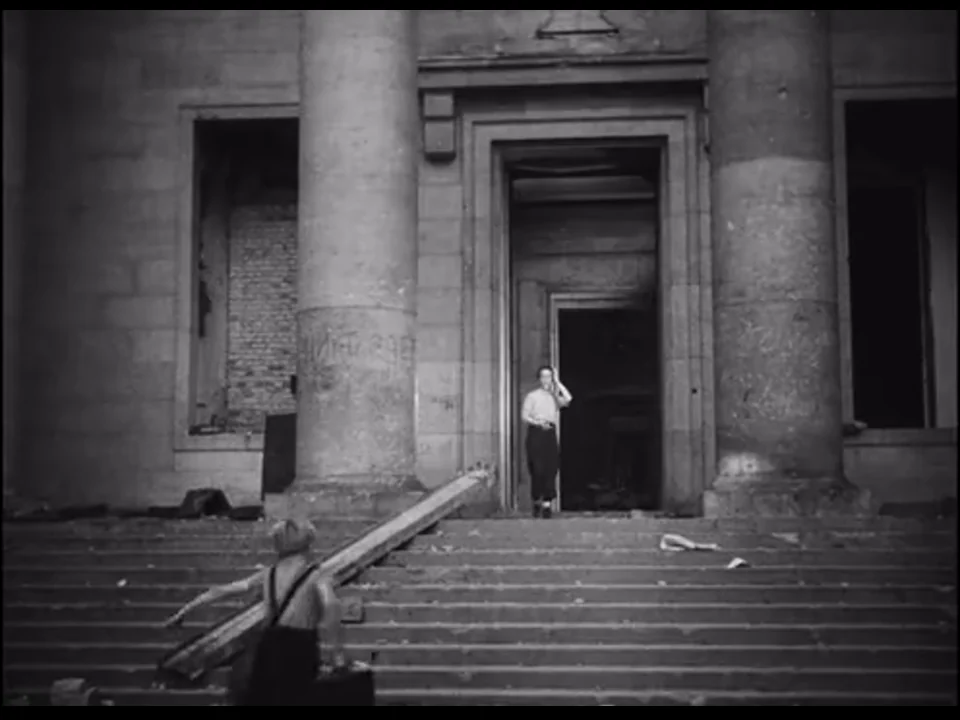
PASSAGE
00:27:41—00:28:24 · Exact bounds
When a political voice can still be sold and replayed while its architecture of power lies ruined, which time governs the image?
CONCEPT ROUTES
Pure optical / sound situation · Any-space-whatever
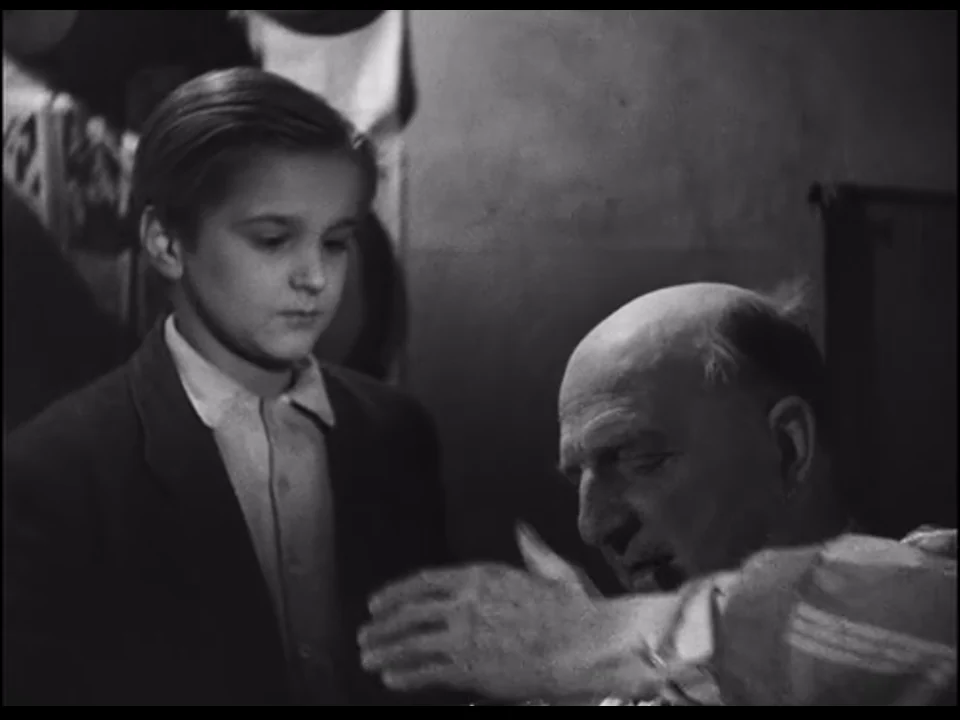
PASSAGE
00:50:11—00:52:42 · Exact bounds
How can a perfectly successful execution become the sensory-motor schema's most complete failure?
CONCEPT ROUTES
Sensory-motor schema
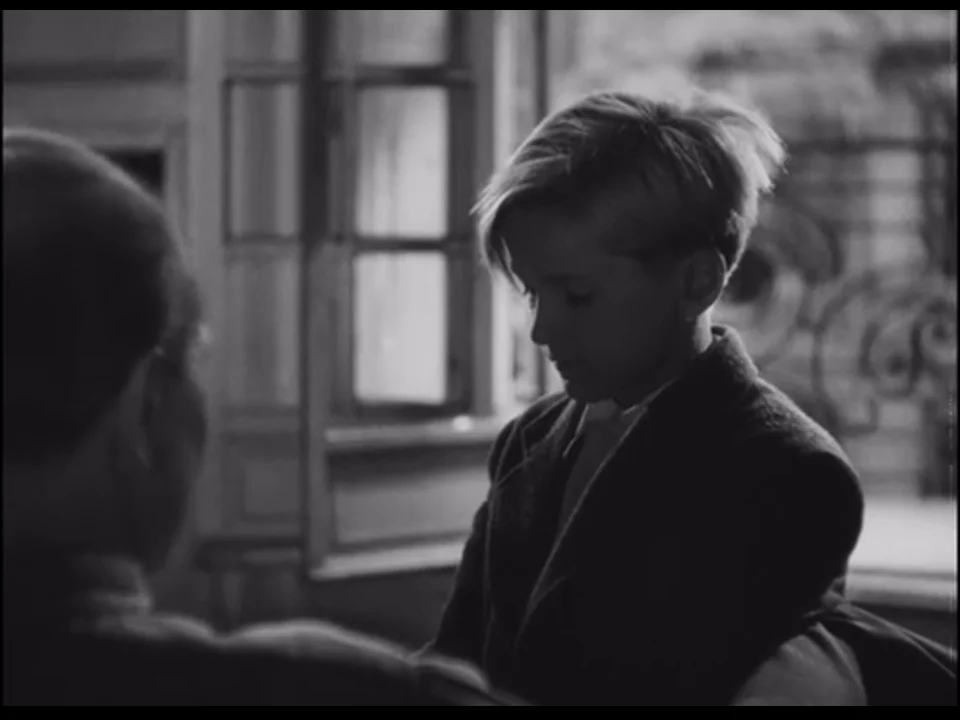
PASSAGE
01:02:58—01:04:11 · Exact bounds
When the adult who issued the rule refuses its consequence, where can the child reconnect action?
CONCEPT ROUTES
Sensory-motor schema
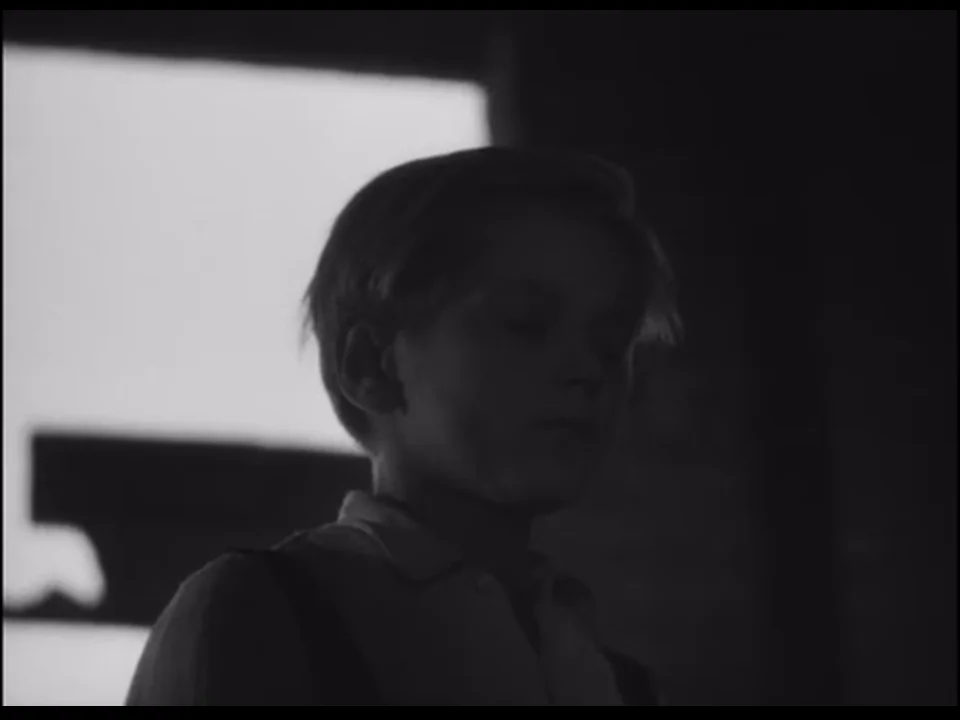
PASSAGE
01:05:01—01:12:44 · Exact bounds
When every part of the city can be crossed but no place can receive a next action, what does the child see?
CONCEPT ROUTES
Sensory-motor schema · The seer · Pure optical / sound situation · Any-space-whatever
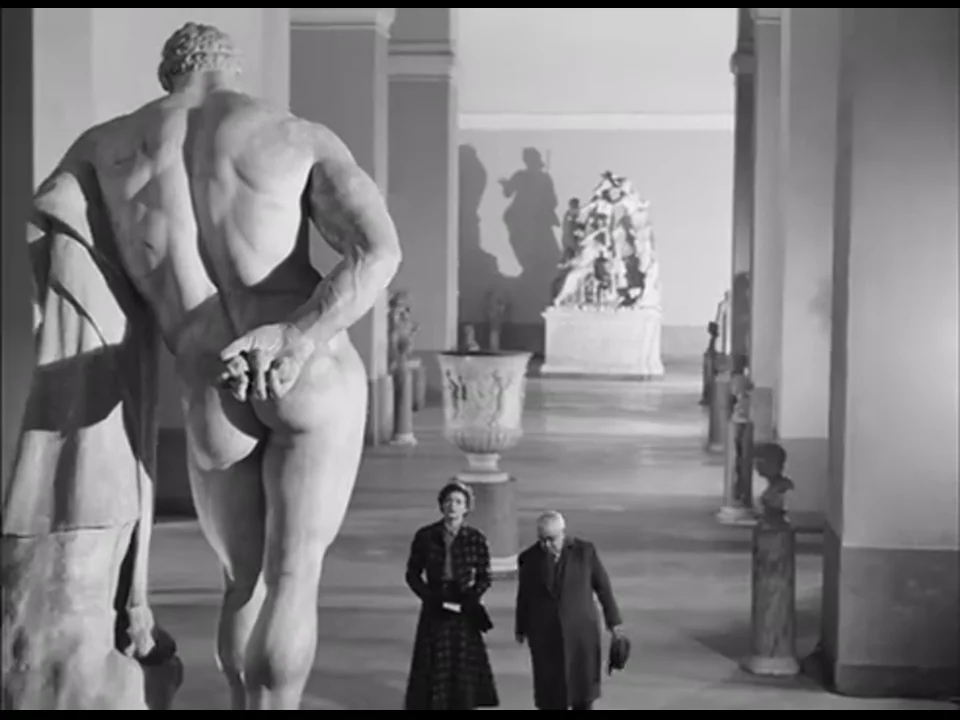
PASSAGE
00:27:27—00:31:09 · Exact bounds
At which body does the guide's catalogue lose explanatory power and begin intensifying the visual pressure Katherine bears?
CONCEPT ROUTES
The seer · Pure optical / sound situation
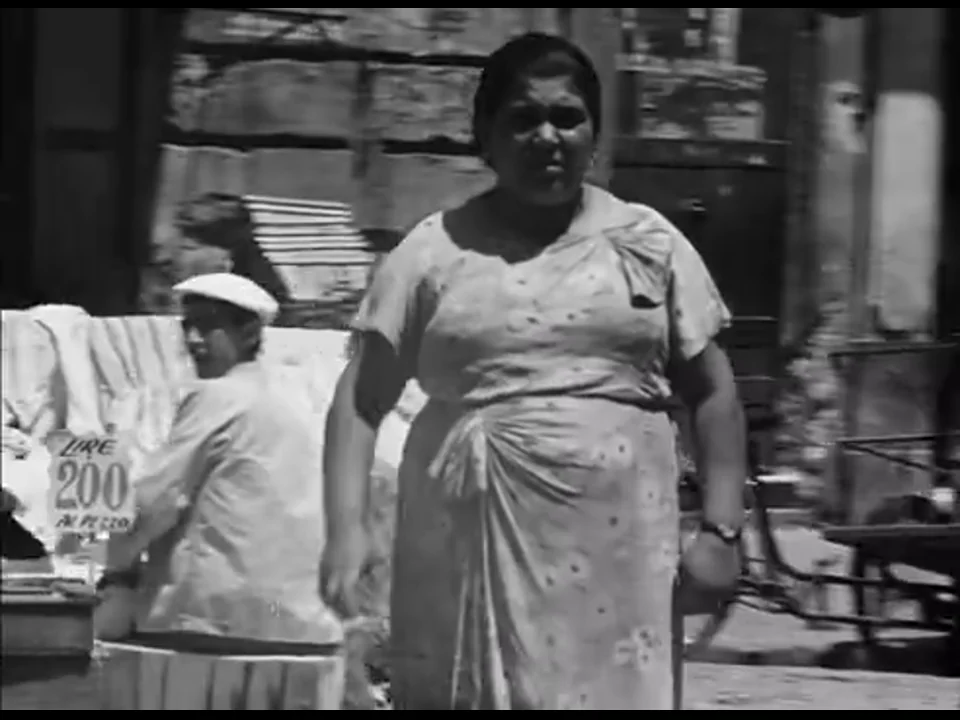
PASSAGE
00:40:22—00:41:57 · Exact bounds
Why does the car's continuous movement fail to turn these bodies into roadside information and instead make them harder for Katherine to escape?
CONCEPT ROUTES
The seer · Pure optical / sound situation
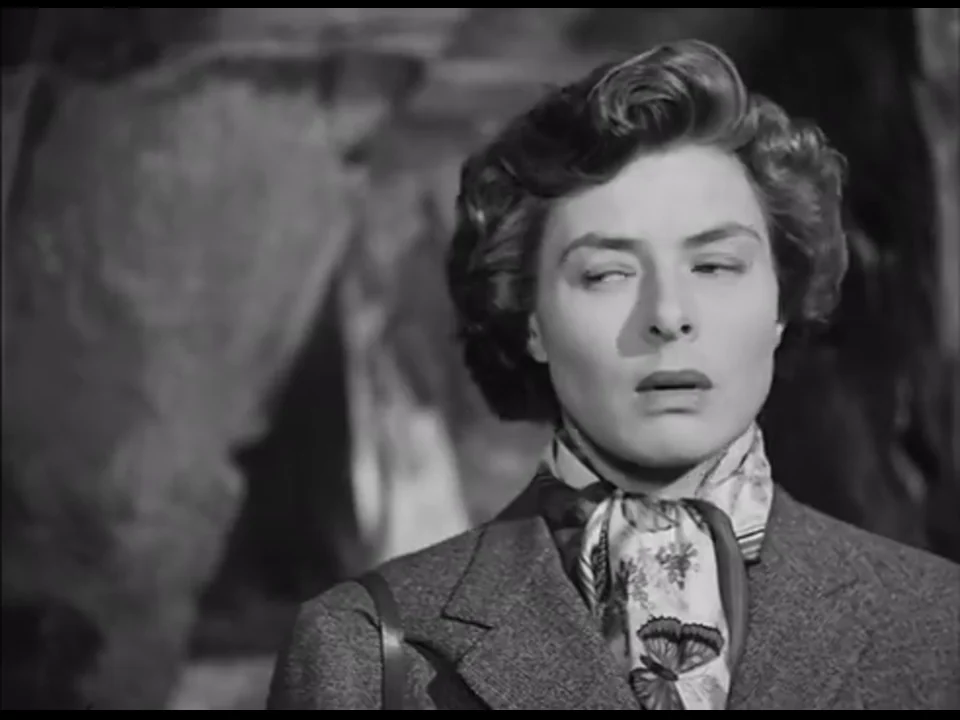
PASSAGE
00:42:00—00:45:08 · Exact bounds
When speech about love returns only as echo, how does the cave turn speaking from answering a question into exposing it?
CONCEPT ROUTES
The seer · Pure optical / sound situation
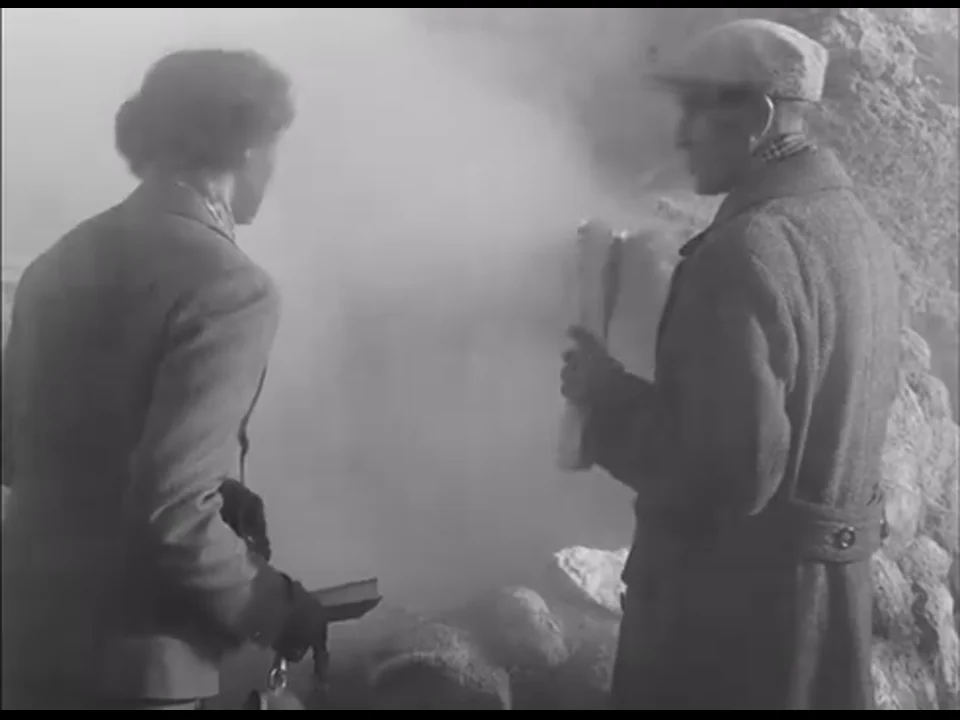
PASSAGE
00:49:27—00:52:38 · Exact bounds
As explanation becomes more precise while the ground becomes less visible, does Katherine gain knowledge or see the limit of knowledge?
CONCEPT ROUTES
The seer · Pure optical / sound situation
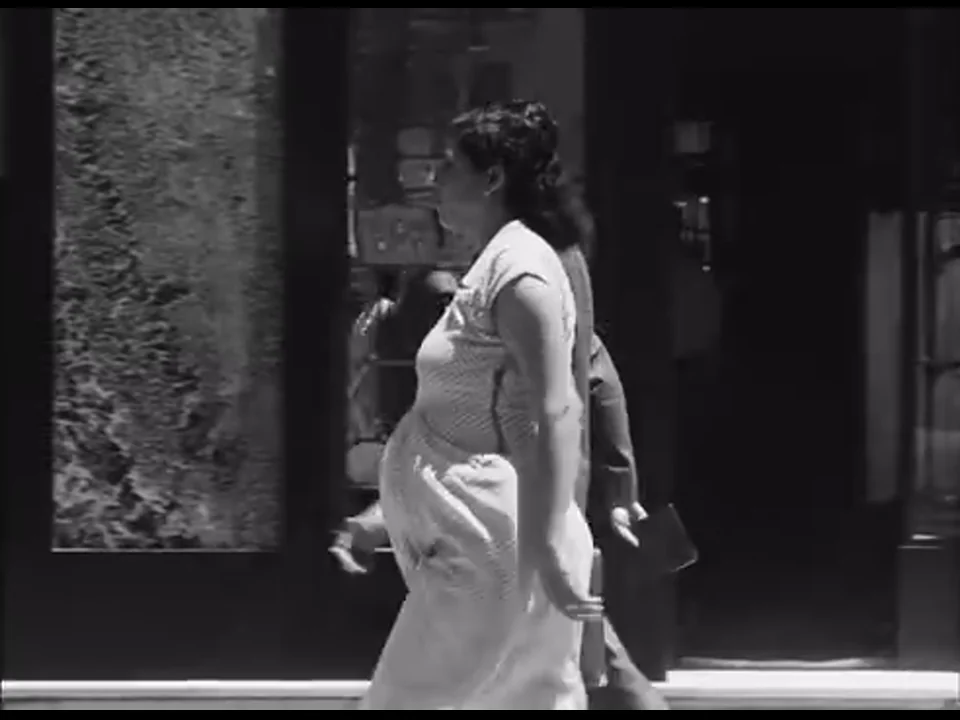
PASSAGE
01:07:10—01:08:26 · Exact bounds
Once the same bodies recur and are counted aloud, why does the problem become clearer without bringing action any closer?
CONCEPT ROUTES
The seer · Pure optical / sound situation
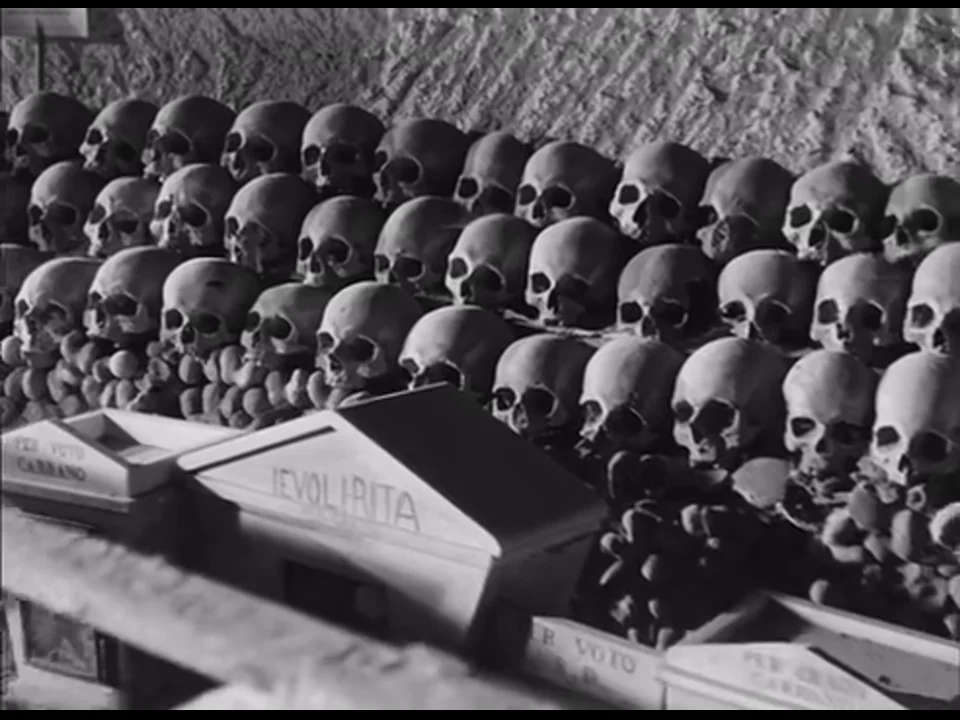
PASSAGE
01:08:34—01:11:24 · Exact bounds
How does a cavern holding anonymous dead give visible place to personal memory and a future wish at once?
CONCEPT ROUTES
The seer · Pure optical / sound situation
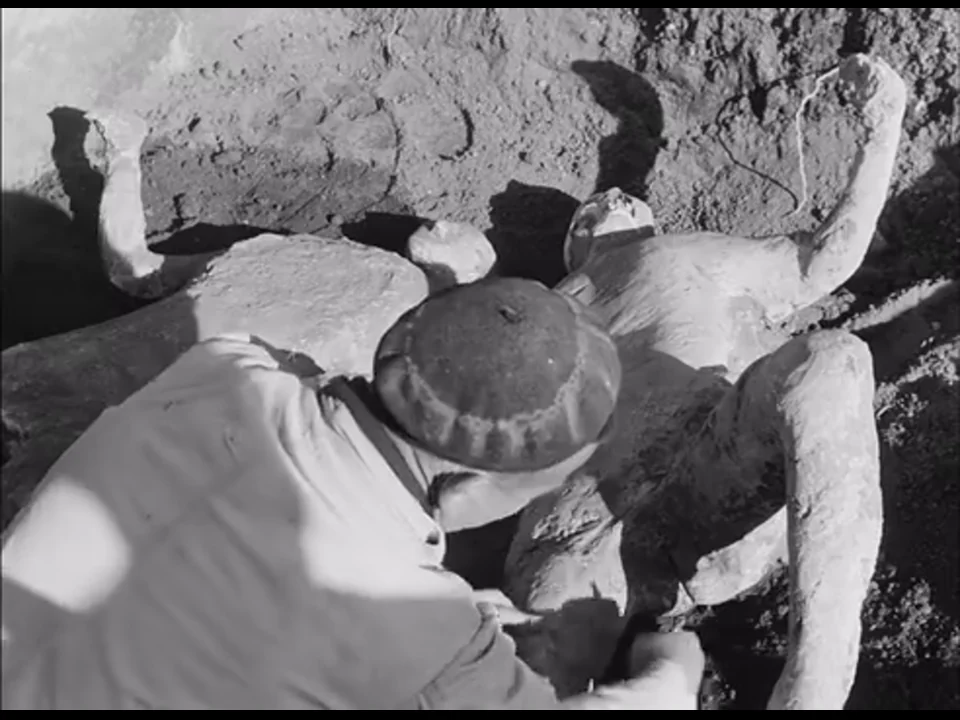
PASSAGE
01:13:22—01:15:28 · Exact bounds
Why does a successfully reconstructed past fail to increase the couple's capacity to handle the present and instead force Katherine to leave?
CONCEPT ROUTES
The seer · Pure optical / sound situation · Sensory-motor schema
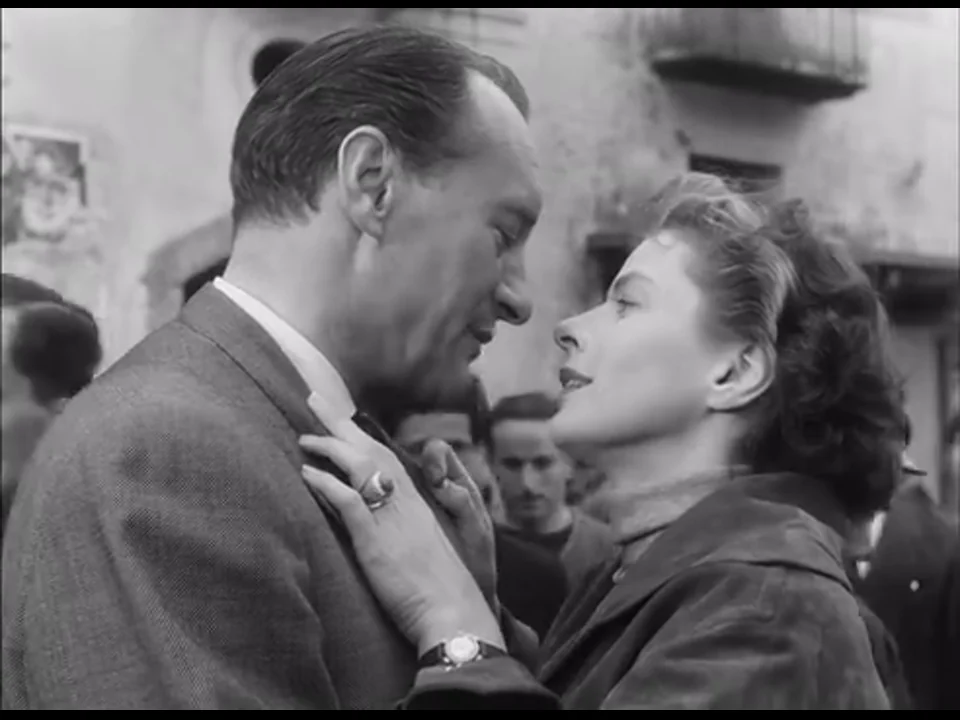
PASSAGE
01:21:18—01:25:28 · Exact bounds
Does the ending restore the couple's capacity to act on the world, or produce a reconnection that can occur only through an external event?
CONCEPT ROUTES
Sensory-motor schema · Pure optical / sound situation
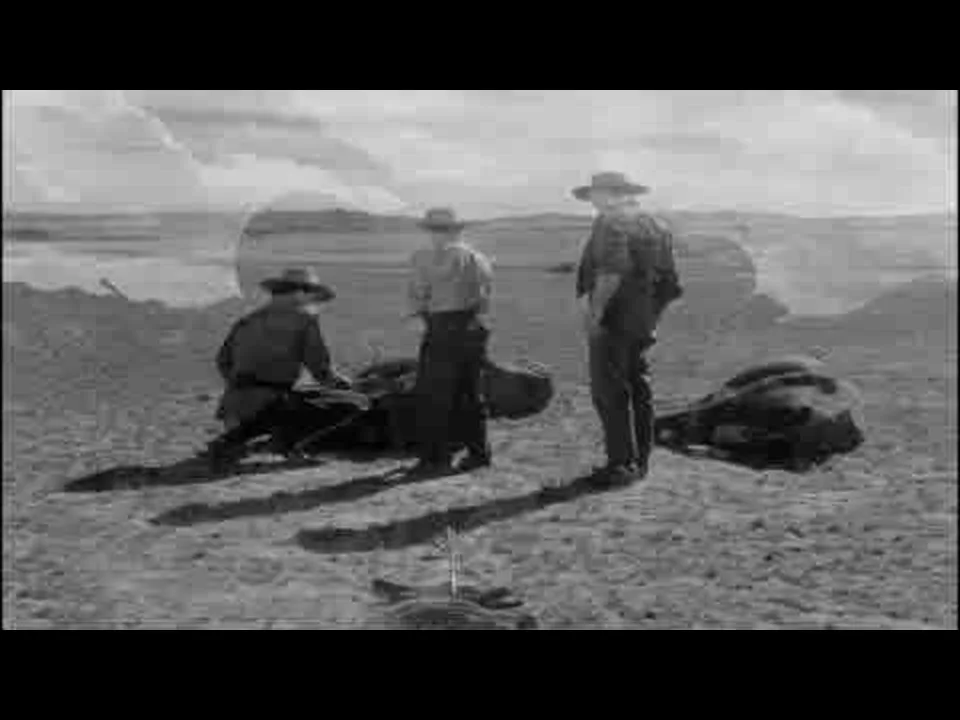
PASSAGE
land-claim, grave, and branding passage containing the 00:15:38 still · Approximate window
Does landscape precede action, or do acts of ownership produce what we mistake for a pre-existing whole?
CONCEPT ROUTES
Action-image: large form
PASSAGE
night stampede passage containing the 00:51:20 still · Approximate window
When the milieu feeds back through speed and density, who can still be called the centre of action?
CONCEPT ROUTES
Sensory-motor schema · Action-image: large form
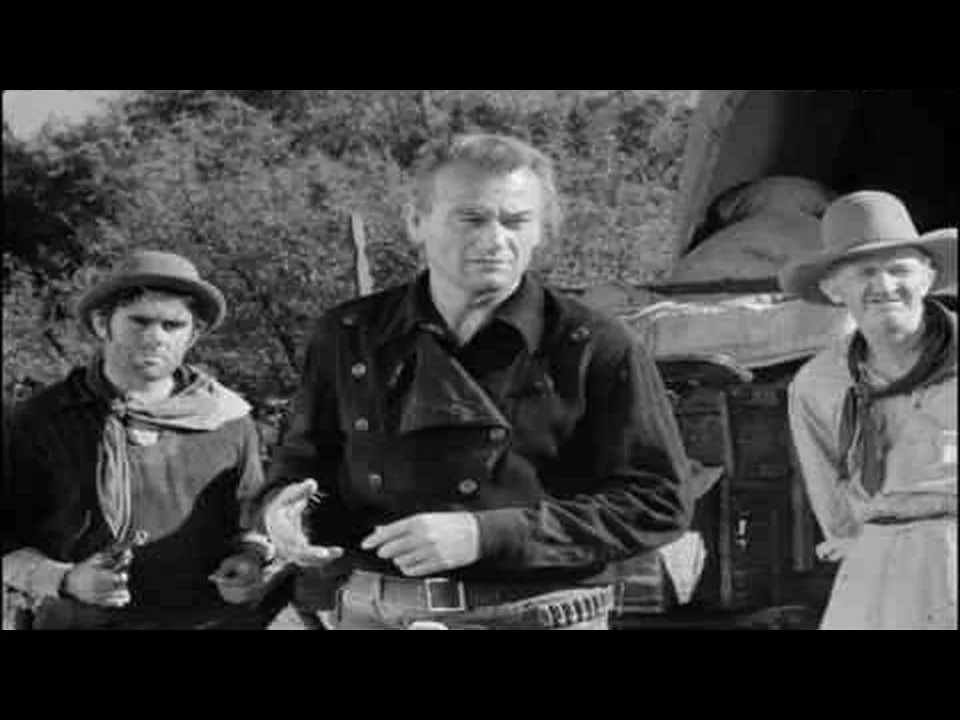
PASSAGE
Matthew takes command of the drive passage containing the 01:21:08 still · Approximate window
Does a local transfer complete S–A–S′, or let A–S–A′ emerge from within the large form?
CONCEPT ROUTES
Action-image: large form · Action-image: small form
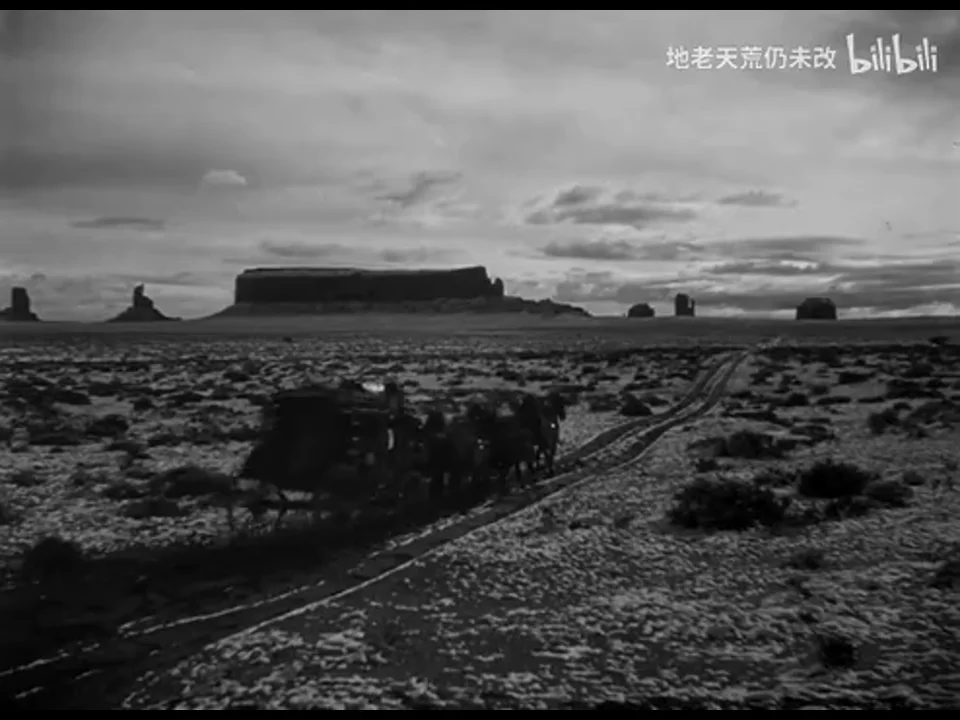
PASSAGE
约 00:34:50—00:36:20 (pale open ground and Monument Valley route passage containing the 00:35:10 still) · Approximate window
Does Ford's long shot give action a whole, or first manufacture the viewing illusion that a whole already exists?
CONCEPT ROUTES
Action-image: large form
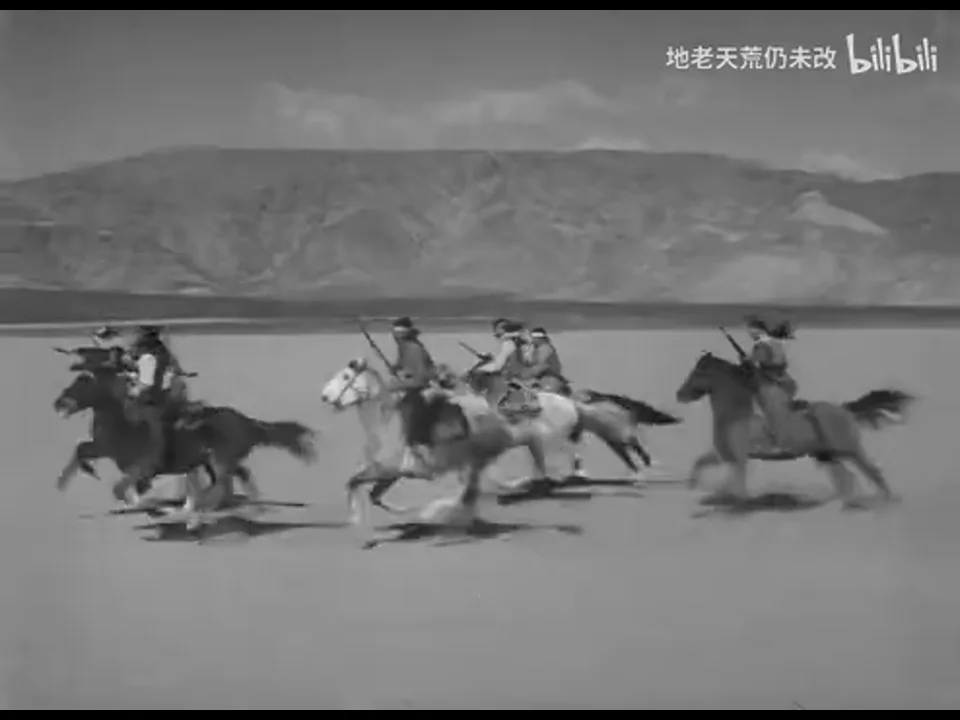
PASSAGE
约 01:13:30—01:15:20 (stagecoach chase and coordinated-defence passage containing the 01:14:00 still) · Approximate window
Does the chase's unity come from a shared diegetic danger or from editing that joins distributed acts into one circuit?
CONCEPT ROUTES
Action-image: large form · Sensory-motor schema
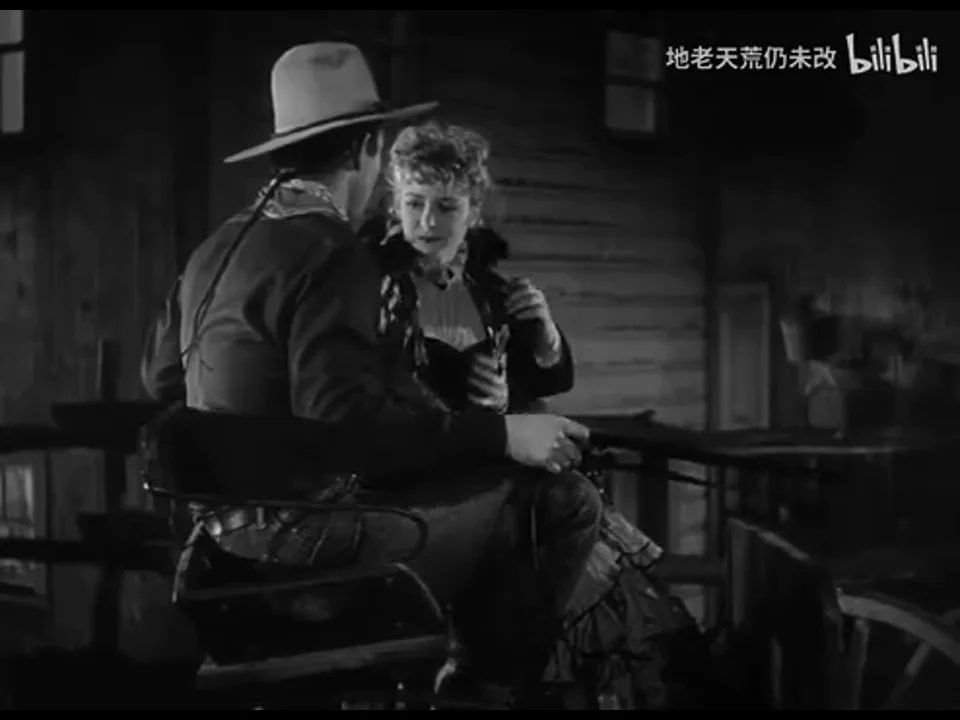
PASSAGE
约 01:33:50—01:35:28 (Ringo's release and departure with Dallas containing the 01:34:30 still) · Approximate window
When the pair's future can unfold only after they leave town, has the situation changed for them or for the community itself?
CONCEPT ROUTES
Action-image: large form
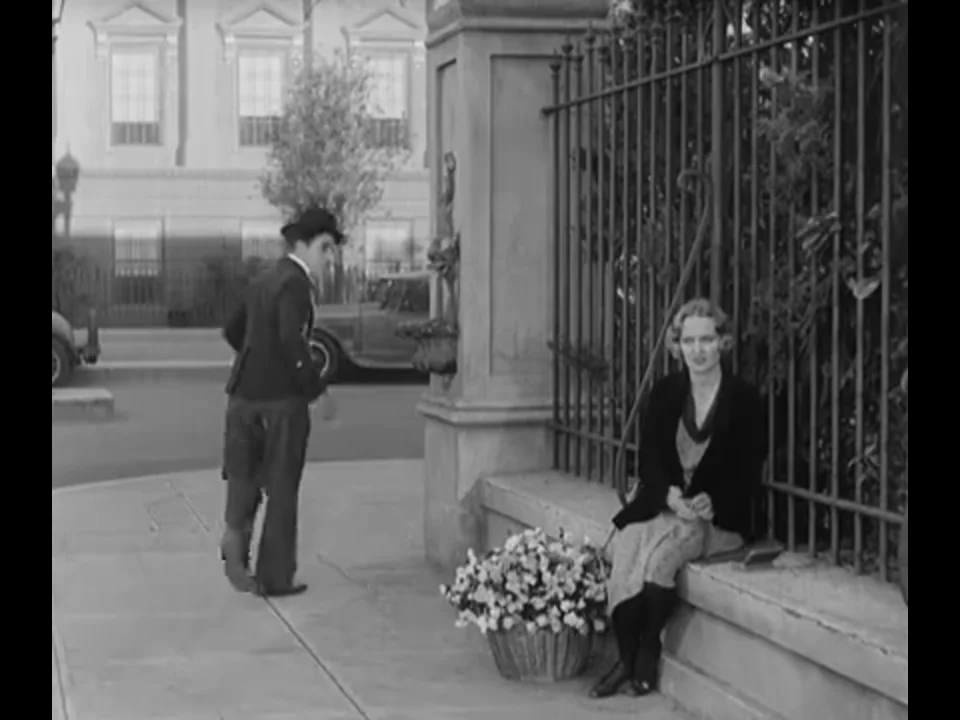
PASSAGE
约 00:07:20—00:09:38 (flower seller's misrecognition of the customer's identity containing the 00:09:25 still) · Approximate window
Does small form occur here because the viewer sees exchange, approach, and a departing car while the flower seller can infer a 'wealthy man' only through touch, transaction, and sound? Which door sounds must track-level review establish as part of her perceptual chain?
CONCEPT ROUTES
Action-image: small form · Sensory-motor schema
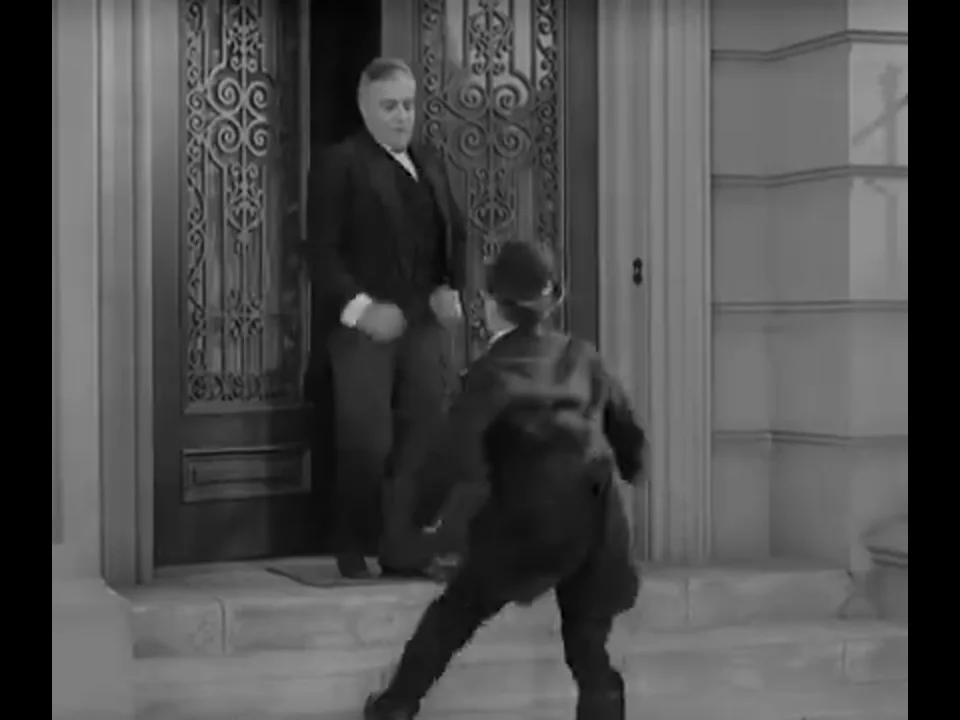
PASSAGE
约 00:34:14—00:35:48 (millionaire's sober rejection of the Tramp containing the 00:35:30 still) · Approximate window
Why can the situation disclosed by one action not survive the next sobriety, but must instead be replayed from zero?
CONCEPT ROUTES
Action-image: small form
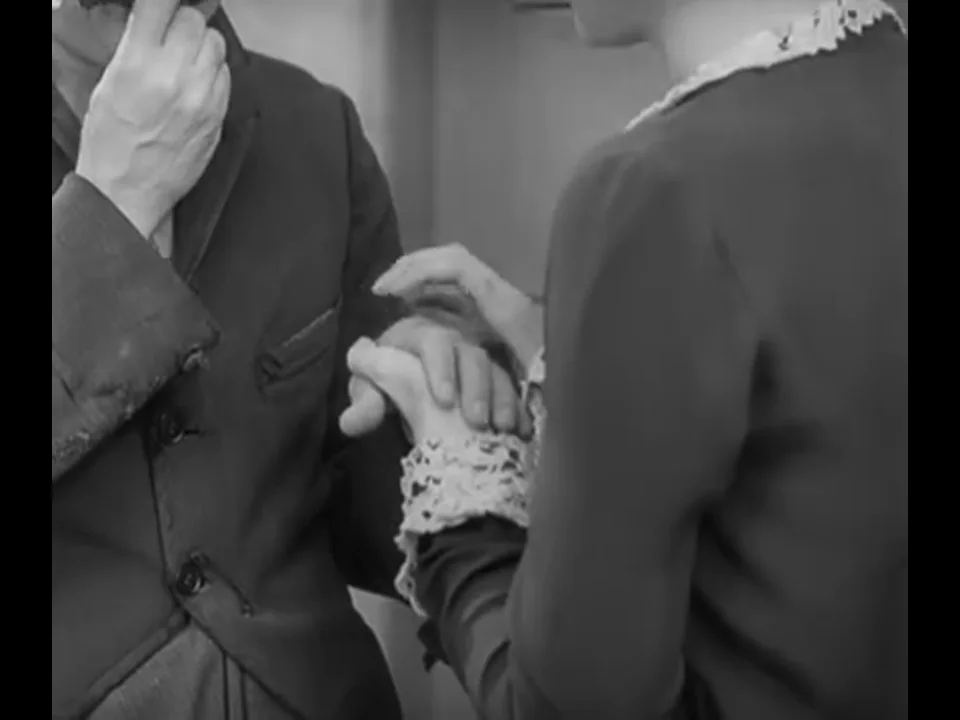
PASSAGE
约 01:24:56—01:26:12 (final touch-and-recognition passage containing the 01:25:25 still) · Approximate window
Once she recognizes him, why does the film stop there instead of showing how they relate next? Is A–S–A′ completed here, or contracted to an affective limit?
CONCEPT ROUTES
Action-image: small form · Movement-image
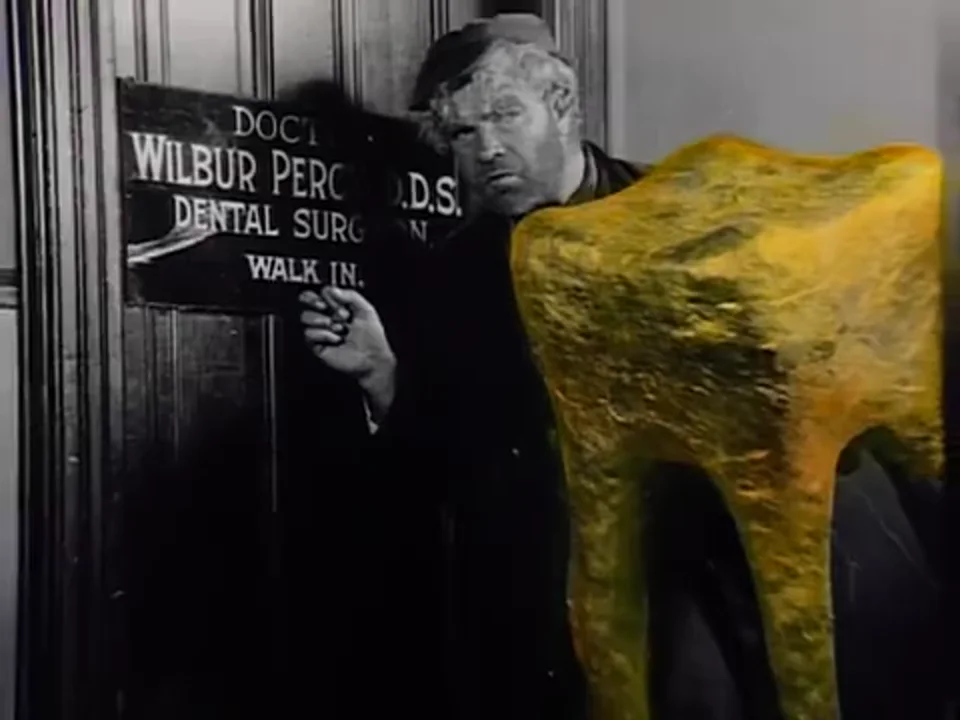
PASSAGE
约 02:51:30—02:57:31 (gold-tooth sign, meat purchase, and change passage containing the 02:51:55 still) · Approximate window
How can saving under poverty be distinguished from impulse's seizure of an object-fragment without calling every golden object a fetish?
CONCEPT ROUTES
Impulse-image
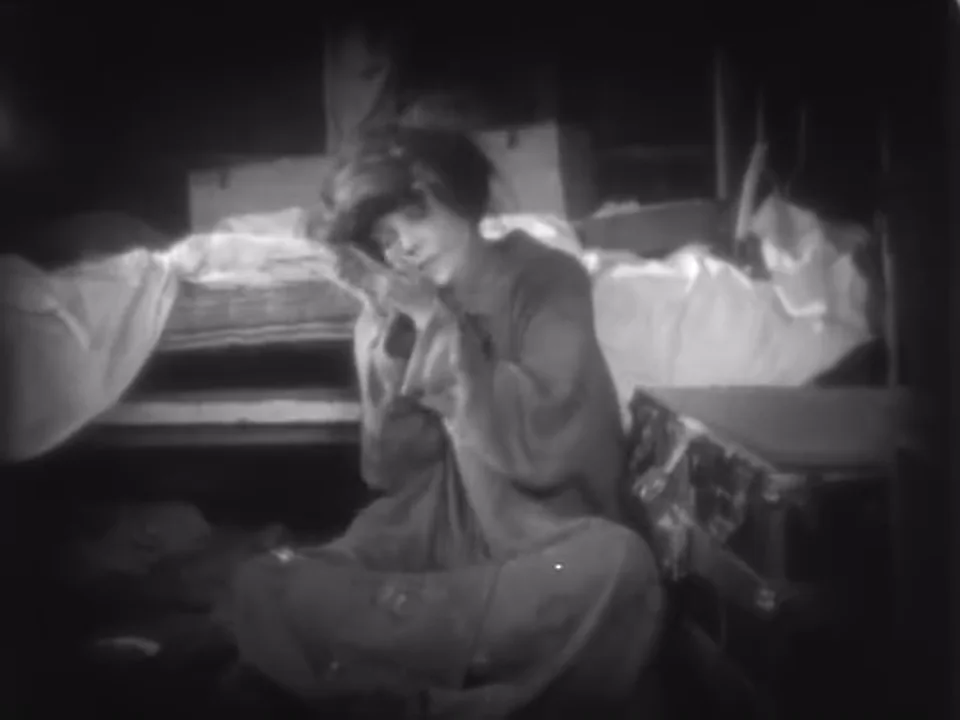
PASSAGE
约 03:02:06—03:02:42 (Trina counting and caressing her savings containing the 03:02:30 still) · Approximate window
When does 'saving for the future' cease to point toward a future and turn into repetition of present possession?
CONCEPT ROUTES
Impulse-image
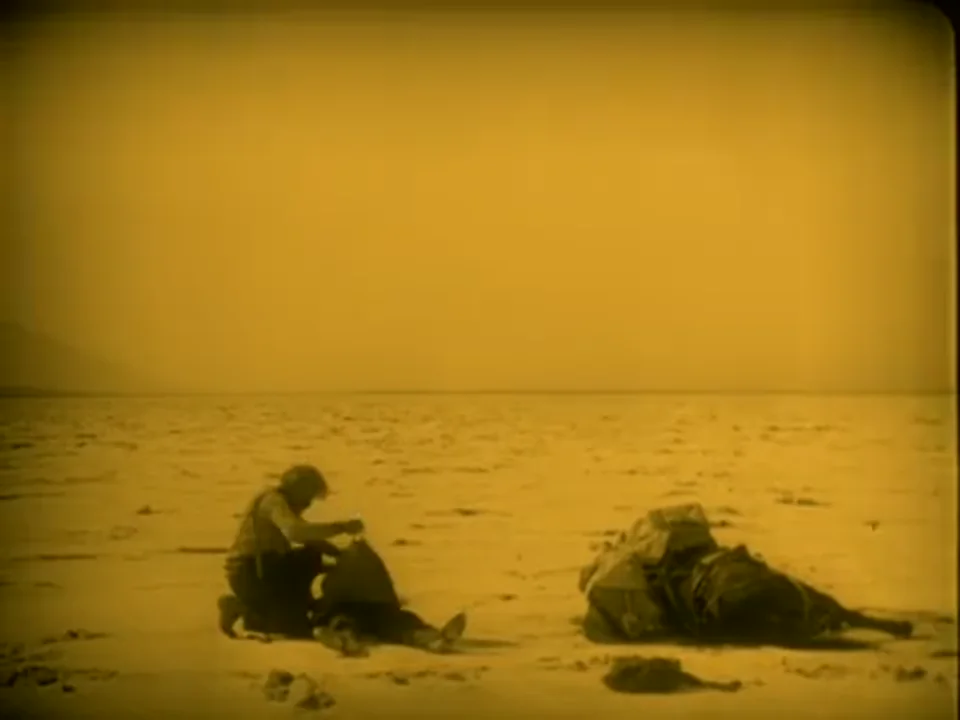
PASSAGE
约 03:50:45—03:55:39;重构尾卡约 03:55:51—03:56:09 (Death Valley fight, handcuff, broken canteen, and birdcage passage containing the 03:54:15 still) · Approximate window
When the milieu makes every use fail, how do we decide whether a remnant is merely a broken tool or a partial object seized by impulse?
CONCEPT ROUTES
Impulse-image
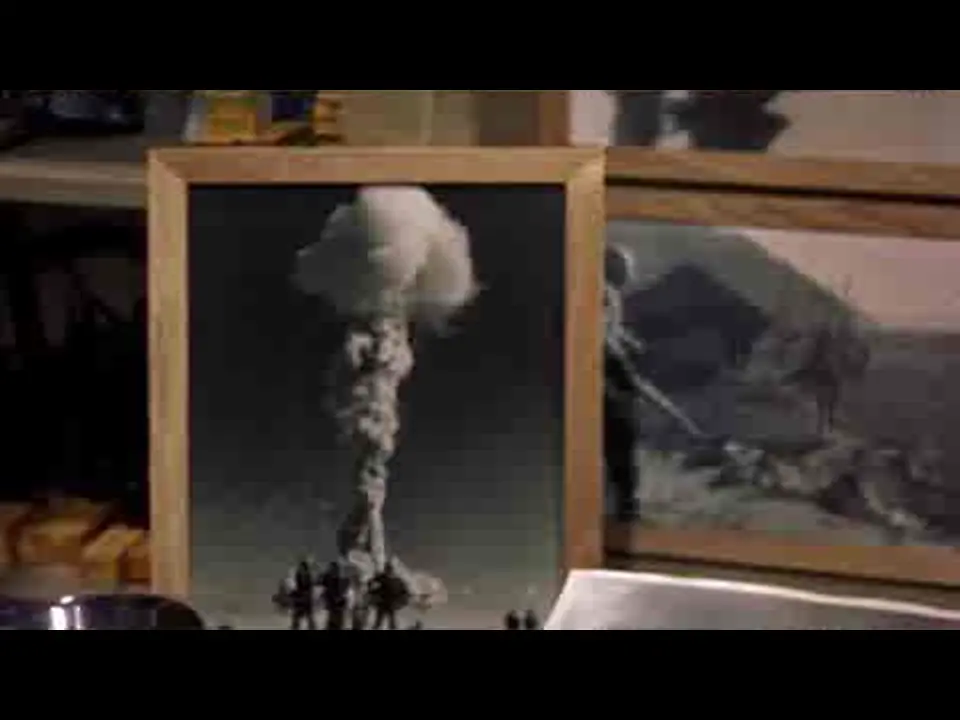
PASSAGE
approx. 00:01:40—00:02:25 (the opening tour across two racing-crash photographs containing the 00:02:15 still) · Approximate window
Does the opening tell us who he is, or first organize body, profession, apparatus, and visual restriction into a relation the later film must keep operating?
CONCEPT ROUTES
Mental-image · Relation-image · Sensory-motor schema
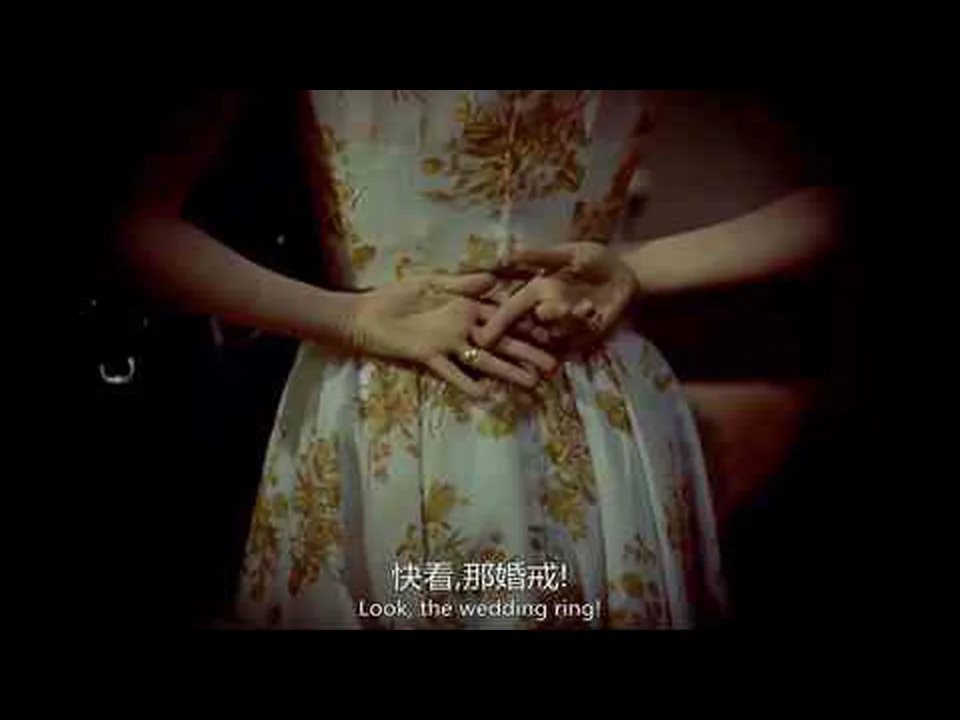
PASSAGE
approx. 01:39:40—01:40:35 (the passage in which Lisa displays the wedding ring and Jeff and Stella recognize its force containing the 01:40:25 still) · Approximate window
When does the wedding ring cease to be mere evidence and become a relational node that alters characters, spectator, and spatial positions together?
CONCEPT ROUTES
Mental-image · Relation-image
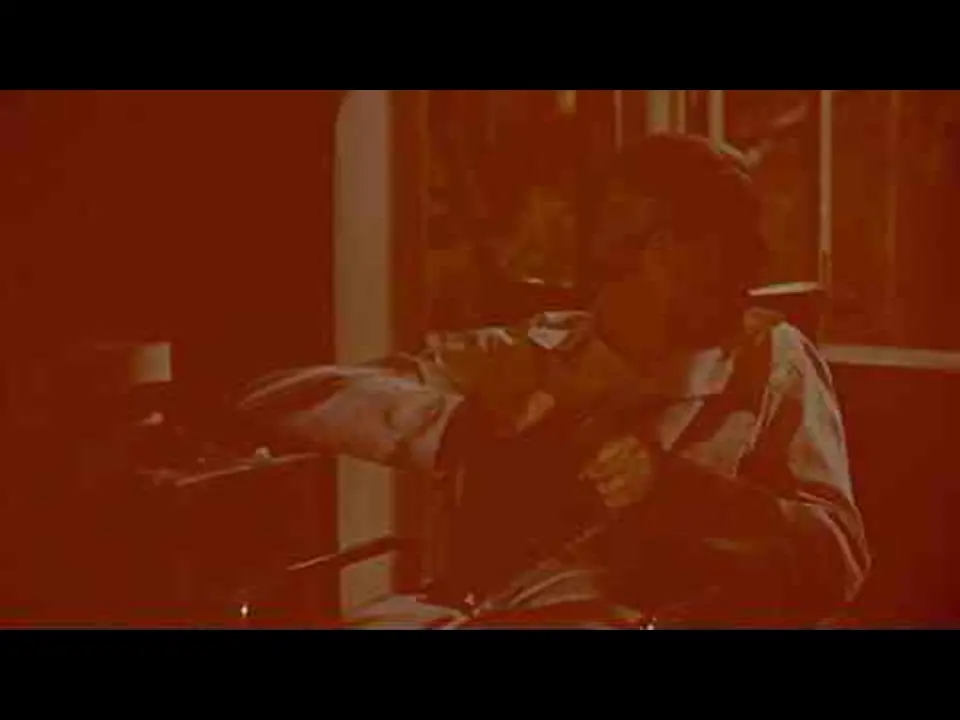
PASSAGE
approx. 01:45:40—01:47:20 (the passage in which Jeff uses flashbulbs to delay Thorwald's approach containing the 01:47:05 still) · Approximate window
Once the target finds the observer, does relation still govern the image, or has the film returned to a direct chain of stimulus, defence, and failure?
CONCEPT ROUTES
Mental-image · Relation-image · Sensory-motor schema
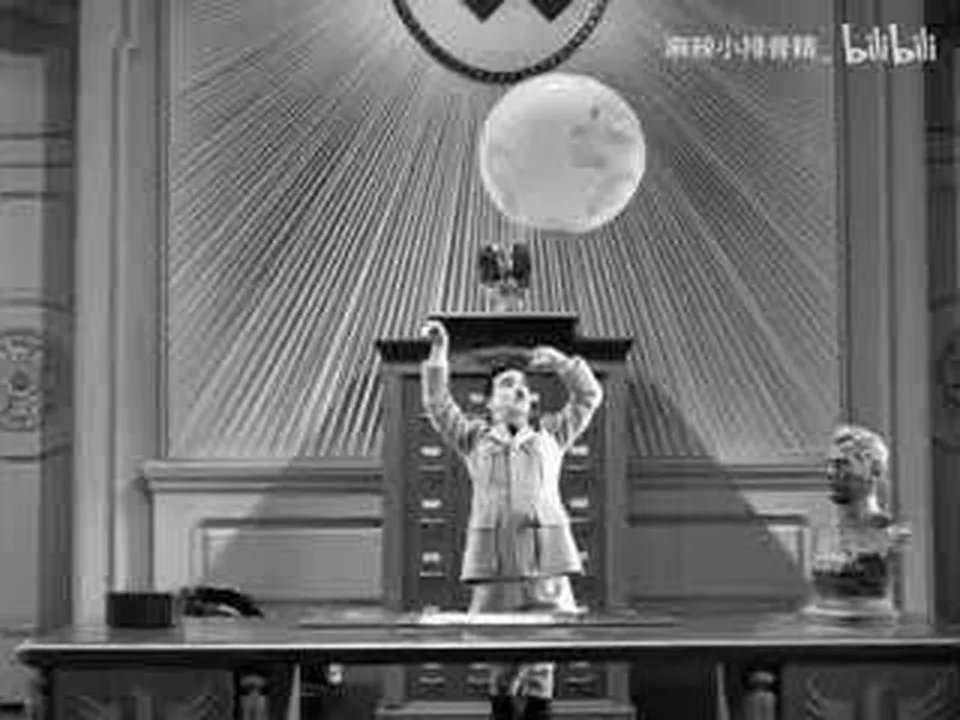
PASSAGE
approx. 00:54:08—00:56:16 (Hynkel's office dance while he holds the inflatable globe containing the 00:55:40 still) · Approximate window
Is the inflatable globe merely a prop for ambition, or a third term through which local dance and global political situation indirectly reflect one another?
CONCEPT ROUTES
Reflection-image · Action-image: small form